Junior Doctors being entertained by The Red Flag in front of Norwich Trades Council banner A3

The New Wave of Entertainment: Exploring the Role of Augmented Reality in 2026

Introduction

As we dive into 2026, the entertainment landscape continues to evolve at an unprecedented pace. One of the most exciting developments in this dynamic world is the integration of Augmented Reality (AR) into various forms of entertainment. This article explores how AR is enhancing audience engagement, redefining storytelling, and creating immersive experiences that captivate viewers across the globe.

Junior Doctors being entertained by The Red Flag in front of Norwich Trades Council banner A3
Foto: Roger Blackwell

The Rise of Augmented Reality

Augmented Reality has made significant strides from its early days as a novelty to becoming a dominant force in entertainment. With advancements in technology, including improved AR glasses and mobile applications, audiences can now experience their favorite content in a whole new light. This section examines the factors contributing to the rise of AR in entertainment.

Technological Advancements

The last few years have seen substantial improvements in AR technology. Enhanced graphics capabilities, faster processing speeds, and widespread smartphone adoption have made AR experiences more accessible to the average consumer. These advancements enable creators to design richer, more engaging environments that seamlessly blend the digital and physical worlds.

Changing Consumer Expectations

Today’s audiences crave more than passive consumption; they seek interactive and immersive experiences. As a result, content creators are stepping up to meet these evolving expectations. From virtual concerts to interactive movie experiences, AR adds an exciting layer to traditional storytelling techniques.

AR in Film and Television

One of the most notable applications of AR technology is in film and television. This section explores how AR is transforming visual storytelling and viewer interaction.

Interactive Storytelling

AR enables filmmakers to create more interactive narratives. This allows viewers to engage with the storyline actively. For instance, viewers can point their devices at certain scenes to unlock additional content, such as behind-the-scenes footage or character backstories, enhancing the overall viewing experience.

Immersive Marketing Campaigns

Marketing campaigns for new releases harness AR to create buzz and excitement. Movie studios are now crafting AR experiences that allow fans to explore movie settings or interact with characters through their smartphones. This not only promotes the film but also builds a community around it.

The Impact of AR on Gaming

Augmented Reality has completely revolutionized the gaming industry, creating a fusion of the real and virtual worlds. Let’s delve into this transformation.

Location-Based Gaming

Location-based games have surged in popularity, allowing players to interact with their environment. Games like Pokémon GO paved the way, and new titles are continuously emerging that utilize AR to encourage players to explore their surroundings. These games promote physical activity and social interaction, broadening the appeal of gaming.

Enhanced Gameplay Mechanics

AR introduces innovative gameplay mechanics that traditional gaming cannot replicate. Players can use everyday objects in their environments to solve puzzles or complete challenges, resulting in a more personalized gaming experience. This level of engagement keeps players coming back for more. Also read: slot gacor for more insights.

AR in Live Events and Experiences

Live events have also embraced AR technology, offering spectators extraordinary experiences that elevate their engagement.

Concerts and Festivals

Music festivals are incorporating AR to enhance performances. Artists can project digital effects and animations onto the stage, creating a visually stunning experience. Festival-goers can also use AR apps to access exclusive content and interact with others in real-time.

Sports Events

AR is becoming increasingly popular in sports, allowing fans to access real-time statistics and player information simply by pointing their smartphones at the field. This technology enriches the spectator experience, making it more informative and entertaining.

The Challenges Ahead

Despite the remarkable advancements, the integration of AR in entertainment also faces several challenges that creators and consumers must navigate.

Accessibility and Affordability

While AR technologies are advancing rapidly, not everyone may have access to the necessary devices or high-speed internet required for a fully immersive experience. Bridging this digital divide will be crucial for widespread adoption.

Content Creation and Quality Control

The ease of AR content creation can sometimes compromise quality. Ensuring that AR experiences are not only engaging but also well-produced is essential for maintaining audience interest and trust.

The Future of AR in Entertainment

As we look towards the future, the potential for AR in entertainment is vast. Its ability to create immersive and interactive experiences positions it as a key player in the entertainment industry.

Integration with Other Technologies

The future may see AR more closely integrated with other emerging technologies, such as Artificial Intelligence (AI) and Virtual Reality (VR). This amalgamation could create even more engaging and holistic entertainment experiences.

Sustainable Practices

As the entertainment industry becomes more aware of its environmental footprint, AR can play a role in promoting sustainability. For instance, AR can reduce the need for physical sets in film production and encourage eco-friendly practices during events.

Conclusion

As we navigate through 2026, the role of Augmented Reality in entertainment continues to grow, redefining how we experience film, gaming, and live events. With its unique ability to engage audiences, offer interactive storytelling, and innovate traditional formats, AR is setting the stage for the next generation of entertainment. Embracing this technology will undoubtedly open new doors for creativity and interaction, ensuring that audiences remain captivated for years to come.


Map marker icon – Nicolas Mollet – Hip-hop music – Culture & Entertainment – Light

The Social Dynamics of Entertainment Consumption in 2026

Understanding Entertainment Consumption Today

In 2026, the landscape of entertainment consumption has seen a seismic shift, influenced largely by social dynamics and the interactivity of platforms. Gone are the days when individuals solely consumed content in isolation. Today, entertainment is a shared experience, one that allows audiences to connect, engage, and even influence the content they consume.

Map marker icon – Nicolas Mollet – Hip-hop music – Culture & Entertainment – Light
Foto: Nicolas Mollet, Credits : Matthias Stasiak

The Power of Social Media Integration

Social media platforms have transformed how we interact with entertainment. They are no longer just places to share thoughts; they have become integral to the consumption process. Here are some key trends in social media integration:

  • Real-Time Interactions: Platforms like Twitter and Instagram allow fans to interact with creators and each other while watching live events, making the experience more immersive.
  • User-Generated Content: Fans often create content around their favorite shows or movies, fostering a culture of creativity and collaboration.
  • Influencer Collaborations: Many entertainers now collaborate with social media influencers to reach target demographics, enhancing brand visibility and engagement.

The Rise of Community-Based Viewing

As entertainment becomes more interactive, community-based viewing experiences are soaring in popularity. Whether it’s through virtual watch parties or live-streamed events, audiences are seeking ways to connect with others. Here are some examples:

  • Virtual Cinemas: Many platforms have introduced virtual cinema experiences, allowing users to watch films together from different locations.
  • Gaming Communities: Multiplayer gaming has evolved into social hubs where players engage in collaborative storytelling and shared experiences.
  • Fan Events: Online conventions and fan meet-ups are common, providing opportunities for deeper connections between creators and their audiences.

Cross-Platform Engagement

Consumers are no longer bound by traditional viewing schedules or platforms. The emergence of cross-platform engagement has changed how entertainment is consumed:

  • Subscription Bundling: Many users opt for bundled services that include various streaming platforms, making it easier to switch between them.
  • Content Sharing: Users actively share their favorite moments across platforms, fostering discussions and recommendations.
  • Multi-Device Consumption: Audiences frequently engage with content on multiple devices—watching a show on TV while chatting on their phones.

Customization and Personalization

In 2026, audiences crave personalized experiences. Streaming services and platforms have evolved to meet these demands:

  • Tailored Recommendations: AI-driven algorithms analyze viewer habits to suggest content, making discovery seamless and engaging.
  • User Profiles: Customized profiles allow viewers to curate their own content feeds, enhancing the personal touch.
  • Interactive Storytelling: Viewers can shape narratives in shows and games, influencing character decisions and plot development.

The Role of Data in Shaping Entertainment

The collection and analysis of viewer data is revolutionizing the entertainment industry:

  • Analytics-Driven Decisions: Producers and creators use data insights to make informed decisions about content production, trends, and audience preferences.
  • Feedback Loops: Real-time audience reactions, collected through social media and interactive platforms, shape the direction of ongoing series and projects.
  • Enhanced Marketing Strategies: Data enables more targeted marketing strategies, connecting content with the right audiences more effectively.

The Future of Social Dynamics in Entertainment

As we look forward, the social dynamics of entertainment consumption will continue to evolve:

  • More Inclusive Experiences: The push for diverse narratives will broaden the appeal of various genres, making entertainment more accessible.
  • Advanced Technologies: Innovations in augmented reality (AR) and VR will provide even more immersive social experiences.
  • Sustainability in Production: Audiences are increasingly considering the environmental impact of their entertainment choices, leading to more eco-friendly production methods.

Conclusion

The entertainment landscape in 2026 is defined by social dynamics that prioritize interaction, community, and personalization. As technology continues to advance, and as audiences seek deeper connections, entertainment will inevitably become an even more collaborative and engaging experience. Keeping a pulse on these trends will be essential for creators, marketers, and consumers alike.

entertainers

The Transformative Power of Nostalgia in Entertainment: A 2026 Perspective

The Role of Nostalgia in Today’s Entertainment Landscape

As we navigate the ever-evolving world of entertainment in 2026, one significant phenomenon has captured the attention of creators and audiences alike: nostalgia. This powerful emotional driver has not only shaped our viewing habits but has also influenced the way stories are told across various mediums. From films and television shows to video games and music, the past is being reimagined and revitalized in ways that resonate deeply with contemporary audiences.

entertainers
Foto: j3ssl33

Understanding Nostalgia in Entertainment

Nostalgia is defined as a sentimental longing for the past, often idealized and romanticized. In entertainment, nostalgia serves as a bridge connecting generations. It allows creators to tap into shared memories and experiences, making their work more relatable and emotionally engaging. As we explore the entertainment landscape of 2026, it is essential to understand how nostalgia manifests and why it continues to thrive.

Key Drivers of Nostalgia in 2026

  • Generational Cycles: As younger generations discover content from the past, there is a cycle of nostalgia that emerges. Millennials and Gen Z are increasingly drawn to the media that shaped their parents’ childhoods, leading to a resurgence of interest in retro themes.
  • Enhanced Technology: Advancements in technology have made it easier to recreate classic styles and formats. High-definition remasters, virtual reality experiences, and interactive storytelling provide new ways for audiences to engage with nostalgic content.
  • Cultural Revivals: Trends in fashion, music, and design often resurface every couple of decades. This cyclical nature impacts entertainment, as shows and films reflect these revived cultural aesthetics, creating a sense of familiarity and comfort.

Popular Nostalgic Trends in Entertainment

As we delve deeper into the entertainment landscape of 2026, several nostalgic trends have emerged:

  • Reboots and Revivals: Iconic shows and films from the past are being revitalized for modern audiences. Classics such as 90s sitcoms and early 2000s dramas are experiencing reboots, often with a contemporary twist that honors the original while attracting new viewers.
  • Musical Resurgence: The music industry is also capitalizing on nostalgia, with artists sampling or covering hits from previous decades. Retro-inspired albums and concerts featuring throwback tracks have become increasingly popular, giving fans a sense of nostalgia while introducing timeless sounds to newer audiences.
  • Video Game Remakes: The gaming community has witnessed a boom in remakes of beloved titles from the past. These remakes not only bring updated graphics and gameplay but also allow players to relive their fond memories in a new light, blending nostalgia with innovation.

Nostalgia and Audience Engagement

In an age where audiences are bombarded with choices, nostalgia has emerged as a key strategy for engagement. By evoking familiar feelings and references, creators can draw in viewers and foster a sense of loyalty. This emotional connection often leads to higher levels of engagement, whether it be through social media conversations, fan-driven content, or merchandise sales.

Challenges and Criticisms of Nostalgia in Entertainment

While nostalgia has significant appeal, it is not without its challenges. Critics argue that an over-reliance on past content can stifle innovation and creativity. Some believe that the constant recycling of old ideas may lead to a lack of originality in storytelling. It is essential for creators to strike a balance between honoring the past and pushing the boundaries of creativity to ensure the continued evolution of entertainment.

The Future of Nostalgia in Entertainment

As we look ahead, it is clear that nostalgia will continue to play a pivotal role in shaping the entertainment landscape. The challenge for creators will be to harness this powerful emotional tool while also embracing new ideas and perspectives. By blending the old with the new, the entertainment industry can create fresh, engaging content that resonates with both nostalgic and modern audiences.

Conclusion

Nostalgia is more than just a trend; it is a fundamental aspect of the way we experience and appreciate entertainment in 2026. As technology advances and cultural tides shift, the power of nostalgia will likely continue to influence storytelling, audience engagement, and the overall entertainment landscape. By understanding and embracing this phenomenon, creators can forge connections with audiences that span generations, ensuring that the magic of the past remains a vital part of our entertainment future.

Map marker icon – Nicolas Mollet – Hip-hop music – Culture & Entertainment – Light

The Future of Entertainment: Building Connections in 2026

The Entertainment Landscape in 2026

As we navigate through 2026, the entertainment industry continues to evolve and reshape itself in response to shifting consumer behaviors and technological advancements. Gone are the days of passive consumption; today’s audiences demand immersive experiences that foster community and connection. From social media platforms driving fan engagement to the rise of localized content, entertainment is becoming more than just a form of escapism; it’s a vehicle for connection.

Map marker icon – Nicolas Mollet – Hip-hop music – Culture & Entertainment – Light
Foto: Nicolas Mollet, Credits : Matthias Stasiak

Connecting Through Community

In 2026, entertainment is increasingly centered on community-building. Whether it’s through music, television, or gaming, audiences crave experiences that allow them to connect with others. This shift is evident in various aspects of the industry:

  • Live Streaming Events: Virtual concerts and events, which gained traction during the pandemic, are now a staple. Platforms like Twitch and YouTube Live facilitate interactions where fans can chat with artists in real-time, creating a more personal experience.
  • Interactive Fan Experiences: Major studios are producing content that includes audience participation, allowing fans to influence storylines and character development, thus fostering a sense of ownership and investment.
  • Localized Content Creation: Global streaming services are commissioning more localized productions, ensuring regional stories are told through the voices of those who know them best. This enhances cultural representation and strengthens community ties.

The Role of Social Media

Social media platforms continue to play a pivotal role in shaping entertainment. Artists and creators are using these platforms to promote their work while also engaging directly with their audience. The following trends highlight the power of social media in entertainment:

  • Micro-Influencers: Smaller influencers with niche followings are becoming more valuable than traditional celebrities. Their authenticity resonates with audiences, making collaborations more impactful.
  • Content Co-Creation: Fans are now involved in the creation of content. Platforms that allow users to submit ideas or collaborate on projects have gained popularity, breaking down the barriers between creators and consumers.
  • Viral Trends: The speed of social media enables trends to go viral overnight, giving rise to new entertainment forms like TikTok challenges, which blend creativity and participation seamlessly.

Technological Innovations Enhancing Experiences

Advancements in technology are enhancing the way content is consumed and enjoyed. Innovation in virtual reality (VR), augmented reality (AR), and artificial intelligence (AI) is creating immersive experiences that captivate audiences. Here are some notable examples:

  • Virtual Reality Cinemas: As VR technology becomes more accessible, virtual cinemas allow viewers to watch films together in a virtual space, creating a shared experience regardless of physical distance.
  • Augmented Reality Applications: AR is being integrated into live events and gaming experiences, providing additional layers of interaction and engagement for users.
  • AI Curated Content: Streaming services are using AI algorithms to analyze viewing habits and preferences, providing personalized recommendations that enhance user experience.

Shifts in Audience Expectations

Today’s audiences have higher expectations than ever before when it comes to entertainment. They seek authenticity, transparency, and inclusivity in the content they consume. This evolution requires creators and producers to adapt:

  • Inclusive Storytelling: The demand for diverse narratives has never been more pronounced, prompting studios to prioritize inclusive storytelling that reflects the complexity of today’s world.
  • Transparency in Production: Audiences want to know how content is made. Behind-the-scenes content is thriving as fans seek to understand the creative processes and efforts behind their favorite shows and movies.
  • Sustainability in Entertainment: As environmental concerns grow, there is an increasing focus on sustainable practices within the entertainment industry, from using eco-friendly sets to promoting awareness through content.

Conclusion

As we continue through 2026, the entertainment industry is at a fascinating crossroads where technology meets community, and authenticity reigns supreme. The future of entertainment lies in building connections that transcend mere consumption. By embracing new technologies, responding to audience desires, and fostering inclusive narratives, the industry can ensure that it remains relevant and enriching for all.

USO entertainers in the back of a military vehicle during World War II

Navigating the New Wave of Entertainment: Innovations and Insights for 2026

The State of Entertainment in 2026

As we stand on the brink of a new era in entertainment, 2026 has brought forth a wave of innovations that are reshaping how we consume and engage with various forms of content. With the rapid integration of technology, changes in consumer behavior, and the ongoing quest for authenticity, the entertainment landscape has become more dynamic than ever.

USO entertainers in the back of a military vehicle during World War II
Foto: gbaku

1. The Blending of Genres

One of the most exciting trends in entertainment this year is the blending of genres. Audiences are increasingly drawn to hybrid forms of storytelling, combining elements from various genres to create unique experiences. From romantic sci-fi thrillers to horror-comedy series, the lines that traditionally separated genres are becoming blurred.

Why It Matters

This genre fusion allows creators to explore different narrative pathways and engage wider audiences. As viewers search for fresh content that deviates from formulaic storytelling, the demand for innovative genre combinations is likely to grow.

2. The Impact of Social Media

Social media continues to play a pivotal role in shaping the entertainment industry. In 2026, platforms like TikTok, Instagram, and YouTube have become vital for content discovery and audience engagement.

Short-Form Content Dominance

Short-form videos and live streams have surged in popularity, influencing how traditional media approaches content production. Networks and streaming services are now investing in creating bite-sized content for these platforms, recognizing their potential to reach younger demographics.

Strong Community Engagement

Social media also facilitates community building around entertainment properties. Fans engage directly with creators, share their thoughts, and even influence future projects, making them an essential part of the entertainment ecosystem.

3. Sustainability in Production

With growing awareness around environmental issues, the entertainment industry is responding by adopting more sustainable practices. In 2026, film and television productions are increasingly prioritizing eco-friendly methods, from reducing waste to utilizing renewable energy sources.

Green Filmmaking Initiatives

  • Eco-friendly Sets: Many productions are using sustainable materials for sets and costumes.
  • Carbon Offset Programs: Productions are investing in initiatives that offset their carbon footprint.
  • Digital Distribution: Reducing the need for physical media by focusing on streaming options.

Consumer Expectations

Audiences are becoming more conscious of the content they consume, often choosing to support projects that align with their values. This shift is compelling creators to be more transparent and responsible in their production practices. Also read: apk slot for more insights.

4. The Rise of Augmented Reality (AR)

While virtual reality continues to make headlines, augmented reality has emerged as a game-changer in the entertainment sector. In 2026, AR experiences are becoming more prevalent, providing audiences with immersive ways to interact with their favorite franchises.

Interactive Experiences

From AR-enhanced concerts to interactive mobile games, the technology allows fans to engage with their beloved characters and stories in real time. This not only enhances fan experiences but also opens new revenue streams for creators.

5. The Changing Face of Celebrity

The concept of celebrity is evolving in 2026. With the rise of influencers and digital creators, traditional celebrity status is being challenged. Many consumers now prefer relatable personalities over conventional stars, seeking authenticity and connection.

Influencer Collaborations

Brands and entertainment companies are leveraging this trend by collaborating with influencers across various platforms. These partnerships often result in more engaging promotional content that resonates with audiences.

6. The Future of Live Entertainment

After the pandemic, live entertainment has seen a resurgence, with audiences eager for in-person experiences. Concerts, theater productions, and festivals are adapting to include hybrid models that integrate both live and online participation.

Hybrid Events

Hybrid events allow fans unable to attend in person to still experience the performance through live streaming. This model not only expands the audience base but also creates new opportunities for engagement.

Conclusion: Embracing Change

As we look ahead, it’s clear that the entertainment industry in 2026 is marked by innovation, diversity, and a commitment to sustainability. The blending of genres, the influence of social media, the adoption of AR, and the evolution of celebrity all contribute to a rich and dynamic entertainment landscape. For consumers, this means more choices and engaging experiences that cater to a wide range of interests. By embracing these changes, both creators and audiences can forge a path toward a more inclusive and exciting entertainment future.

USO entertainers in the back of a military vehicle during World War II

Emerging Trends in Entertainment: What to Expect in 2026 and Beyond

Introduction

As we navigate through 2026, the entertainment industry is evolving at an unprecedented pace. With the rapid development of technology and shifting audience preferences, the landscape of entertainment today is vastly different from what it was just a few years ago. In this article, we’ll explore current trends that are shaping the future of entertainment and what we can expect as we move further into the decade.

USO entertainers in the back of a military vehicle during World War II
Foto: gbaku

The Rise of Personalization

One of the most significant trends in entertainment this year is the move toward personalization. Audiences now expect tailored experiences that cater to their specific tastes and preferences. Streaming services and content platforms are leveraging data analytics to curate personalized content recommendations, making it easier for users to discover shows and movies that resonate with them.

The Algorithm Revolution

  • Data-Driven Choices: Algorithms are becoming increasingly sophisticated, analyzing viewing habits to predict and recommend content with remarkable accuracy.
  • Interactive Content: Viewers can choose different storylines or endings in shows or movies, creating a customized viewing experience.
  • Audience Feedback: Platforms are integrating audience feedback loops, allowing viewers to rate content and influence future productions.

Augmented Reality (AR) and Mixed Reality Experiences

Augmented reality has made major strides in 2026, providing unique ways for audiences to engage with their favorite franchises. This technology enhances storytelling by blending digital elements into the real world, offering fans immersive experiences that go beyond traditional viewing.

Immersive Storytelling

  • AR Adventures: Fans can participate in scavenger hunts or interactive experiences tied to their favorite movies or shows.
  • Enhanced Live Events: Concerts and theater performances are incorporating AR elements to engage audiences more deeply.
  • Game Integration: Video games are utilizing AR to create rich, immersive worlds that players can explore in their own environment.

The Globalization of Entertainment

In 2026, global content is dominating the entertainment scene. As borders blur, audiences are embracing stories from different cultures and backgrounds. This trend is not only visible in streaming but also in music, film, and television. Also read: slot demo for more insights.

Diverse Storytelling

  • Crossover Collaborations: Artists and creators from different regions are working together to create unique, hybrid content.
  • Subtitles and Dubs: Improved translation technologies are making international content more accessible than ever.
  • Social Media Influence: Platforms are allowing fans to share and promote international content, further driving its popularity.

Focus on Sustainability

As environmental awareness grows, the entertainment industry is taking significant steps toward sustainability. From eco-friendly productions to efforts to reduce carbon footprints, 2026 is witnessing a conscientious shift toward greener practices.

Eco-Conscious Productions

  • Green Sets: Filmmakers are opting for sustainable materials and practices during production.
  • Carbon Offset Initiatives: Many studios are investing in projects that aim to offset their emissions.
  • Digital Distribution: The rise of digital media reduces the need for physical copies, leading to less waste.

Socially Engaged Content

Another emerging trend is the rise of socially engaged content. Modern audiences are increasingly looking for entertainment that reflects social issues and promotes awareness. Creators are using their platforms to address topics like mental health, diversity, and climate change.

Content with a Purpose

  • Documentaries and Docuseries: These formats are gaining popularity as they provide in-depth looks at pressing societal issues.
  • Influencer Advocacy: Influencers are leveraging their platforms to discuss important topics, further engaging their audiences.
  • Community Engagement: Productions are actively involving communities in their narratives, ensuring diverse voices are heard.

The Future of Gaming and Esports

The gaming industry continues to flourish, paving the way for new forms of entertainment. Esports has garnered massive audiences, rivaling traditional sports in viewership and engagement.

Gaming as a Spectator Sport

  • Live Competitions: Major tournaments are held in large arenas, drawing fans from all over the world.
  • Streaming Platforms: Gamers broadcast their gameplay live, creating communities around their channels.
  • Cross-Media Collaborations: The gaming industry is increasingly collaborating with films and series, creating franchises that span various media.

Conclusion

As we move further into 2026, the entertainment landscape continues to transform dramatically. From personalized experiences to global narratives, technological advancements are reshaping how we consume content. The emphasis on sustainability and social engagement is fostering a deeper connection between creators and audiences. As these trends evolve, they promise to redefine the boundaries of entertainment in exciting and meaningful ways.

DSC_6230 Black British Entertainment Awards BBE Dec 2017 at Porchester Hall London with Jean Gasho Co Founder of BBE

The Cultural Mosaic of Entertainment: Understanding Diverse Narratives in 2026

The Shifting Landscape of Entertainment

As we delve into 2026, the entertainment industry continues to evolve, showcasing a vibrant tapestry of narratives that reflect diverse cultures, experiences, and perspectives. In an age where audiences crave authenticity, creators are stepping up to present stories that resonate across various demographics. This article explores the significance of cultural diversity in entertainment and how it influences everything from films to streaming content.

DSC_6230 Black British Entertainment Awards BBE Dec 2017 at Porchester Hall London with Jean Gasho Co Founder of BBE
Foto: photographer695

Why Cultural Representation Matters

In 2026, entertainment is no longer a one-size-fits-all affair. Audiences expect to see themselves represented on screen, which enhances their viewing experience. Cultural representation not only fosters empathy and understanding among different communities but also enriches the storytelling process.

  • Broader Perspectives: Diverse narratives allow for a more comprehensive understanding of human experiences.
  • Audience Engagement: Film and television that reflect varied backgrounds and values tend to foster stronger viewer loyalty.
  • Innovation in Storytelling: Different cultures bring unique storytelling techniques, creating fresh content that captivates global audiences.

Trends in Cultural Diversity in Entertainment

Several key trends have emerged in 2026 that highlight cultural diversity’s critical role in shaping the entertainment landscape:

  • Increased Representation: Films and TV shows now feature more diverse casts and crew members, reflecting global demographics. Productions like “The Unseen Threads” spotlight lesser-known cultures and bring their stories to mainstream audiences.
  • Global Collaborations: Cross-border partnerships are becoming common, enabling creators to combine their cultural narratives. For instance, a Bollywood blockbuster might feature Western actors and storytelling styles, appealing to a broader audience.
  • New Platforms for Voices: Streaming services are actively seeking out and investing in content from underrepresented voices, giving rise to series that highlight unique stories, such as “Cultural Chronicles,” which explores global traditions through various lenses.

Highlights from Cultural Breakthroughs

This year has seen remarkable successes that showcase the importance of cultural narratives:

  • The Rise of Indie Films: Independent films have garnered critical acclaim for their authentic representation of diverse cultures. Films such as “Heritage” and “Echoes of the Past” have resonated with audiences for their honest storytelling and character development.
  • Documentaries with Impact: Documentaries exploring cultural practices, social issues, and histories, such as “Voices of the Ancestors,” have become increasingly popular, educating viewers while entertaining them.
  • Interactive Experiences: Virtual reality (VR) and augmented reality (AR) are being used to immerse audiences in different cultures. Projects that allow viewers to step into various cultural environments, such as “Cultural Immersion,” are becoming more prevalent.

The Role of Technology in Promoting Diversity

Technology has played an essential role in promoting diverse narratives in the entertainment industry:

  • AI in Scriptwriting: AI technology is being used to analyze audience preferences and provide insights into what diverse stories resonate best with viewers, assisting writers in creating compelling narratives.
  • Social Media Platforms: Platforms like TikTok and Instagram have empowered content creators from various backgrounds to share their stories, leading to an influx of short-format videos that highlight diverse cultures.
  • Global Streaming Services: Services like Netflix and Hulu now offer content in multiple languages, making it easier for audiences to access international films and series that celebrate cultural differences.

Challenges Ahead

Despite the progress made in diversifying cultural narratives in entertainment, several challenges remain:

  • Stereotyping: While representation is increasing, there is still a risk of reinforcing stereotypes, which can undermine the value of authentic storytelling.
  • Access and Funding: Independent creators from diverse backgrounds may struggle with funding and access to distribution channels, limiting their ability to share their narratives.
  • Audience Reception: Not all audiences are ready to embrace diverse stories, which may lead to backlash or pushback against progressive content.

Looking Forward: A More Inclusive Future

As we progress through 2026, the call for diverse narratives in entertainment will only intensify. Creators and industry leaders must prioritize inclusivity, ensuring that all voices are heard and represented. The future of entertainment depends on our ability to embrace and celebrate cultural differences, fostering a richer and more dynamic landscape that resonates with audiences globally.

Ultimately, a commitment to diversity will not only enhance the entertainment experience but will also contribute to a more understanding and connected world. The stories we tell today will shape the narratives of tomorrow, making it crucial to promote authentic cultural representation in every facet of entertainment.

Chinese entertainment

The Digital Renaissance: How Virtual Reality is Transforming Entertainment in 2026

The New Frontier of Entertainment

As we navigate through 2026, the entertainment industry is experiencing a remarkable transformation, primarily driven by advancements in technology. One of the most significant changes is the rise of Virtual Reality (VR), which is reshaping how audiences experience their favorite content.

Chinese entertainment
Foto: Fxqf

Understanding Virtual Reality in Entertainment

Virtual Reality transcends traditional viewing experiences by immersing individuals in a three-dimensional environment. With headsets becoming more affordable and user-friendly, a broader audience is discovering the potential of VR in entertainment.

Engaging Audiences through Immersive Experiences

Unlike passive consumption of media that occurs with conventional formats, VR allows audiences to be active participants. Here are several ways VR is enhancing engagement:

  • Interactive Storytelling: Stories are no longer confined to linear narratives. Creators are developing plots that change based on user choices, allowing fans to influence outcomes.
  • Virtual Concerts: Artists are hosting live concerts in virtual spaces, providing fans with front-row experiences from the comfort of their homes.
  • Gaming Evolution: VR games are taking immersion to a new level with realistic environments and intuitive controls, creating unforgettable gaming experiences.

Impact on Traditional Media

As VR gains traction, traditional forms of entertainment, such as films and television, are adapting. Here’s how:

  • VR Films: Filmmakers are experimenting with 360-degree films that provide viewers a chance to look around the scene, making them feel a part of the narrative.
  • Enhanced TV Shows: Shows are integrating VR elements that allow viewers to explore the show’s universe beyond what’s presented on screen.

The Challenges of VR Adoption

Despite its numerous benefits, the journey to widespread VR adoption is not without challenges:

  • Costs: High-quality VR equipment can still be expensive for average consumers, limiting its reach.
  • Content Availability: Although VR content is growing, there is still a lack of mainstream content that can attract a large audience.
  • Physical Space: Users need adequate space to avoid accidents while navigating virtual environments.

Future Trends in VR and Entertainment

The future of entertainment in 2026 and beyond holds exciting possibilities, particularly with VR:

  • Integration with AI: AI will play a crucial role in developing highly personalized VR experiences, tailoring content based on user preferences.
  • Educational Experiences: VR is set to revolutionize educational content, providing immersive learning experiences that can enhance understanding and retention.
  • Social Interaction: Expect to see more platforms that emphasize social VR experiences, where friends can meet in virtual spaces, watch shows, and interact in real time.

The Role of Creatives in the VR Landscape

As an emerging medium, VR presents unique opportunities for creatives. Writers, directors, and designers are experimenting with new forms of storytelling that leverage the strengths of VR technology.

Conclusion: Embracing the Future of Entertainment

The rise of Virtual Reality has undoubtedly marked a new era in entertainment. As technology continues to evolve, so will the ways we engage with media. The coming years promise to unveil an exciting spectrum of opportunities, allowing audiences not only to consume content but to live it. It’s an exhilarating time to be part of the entertainment landscape.

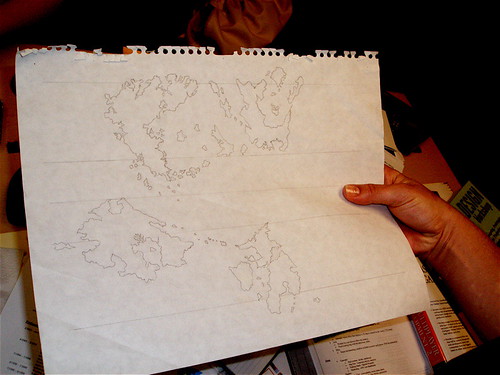
Original Ultima Online map (the game only shipped with the top-left corner), Sony Online Entertainment, San Diego

The Soundtrack of Our Lives: How Music Shapes Our Entertainment Choices in 2026

Understanding the Role of Music in Today’s Entertainment Landscape

As we navigate through 2026, the influence of music in our entertainment choices has become more profound than ever. From films and television shows to video games and live performances, soundtracks are crucial in creating emotional depth and resonance. This article explores how music curates our entertainment experiences and shapes our preferences in today’s fast-paced world.

Original Ultima Online map (the game only shipped with the top-left corner), Sony Online Entertainment, San Diego
Foto: gruntzooki

The Power of Soundtracks: A Blend of Emotion and Storytelling

Music is not just an accessory to visual art; it is an integral component that enhances storytelling. Here are several ways soundtracks play a key role:

  • Emotional Resonance: A well-composed score can amplify the emotional weight of a scene, leaving lasting impressions on the audience.
  • Cultural Significance: Music genres often carry cultural narratives that can deepen a viewer’s connection to the story being told.
  • Memory Associations: Familiar tunes can evoke nostalgia and personal memories, enriching the viewer’s overall experience.

Case Studies: Successful Integration of Music in Entertainment

Several projects have showcased the vital role of music in modern entertainment:

  • Film: The Revival of the Musical – Recent films have revived the classic musical format, demonstrating how audiences are drawn to music-driven narratives. Films like La La Land and In the Heights have proven that a powerful score can be the cornerstone of a successful cinematic experience.
  • Television: The Evolving Soundtrack – Shows such as Stranger Things have expertly used nostalgic music to capture the essence of their themes. The integration of carefully curated tracks draws in viewers and enriches their connection to the series.
  • Gaming: A New Level of Immersion – Video games in 2026 employ intricate soundscapes and dynamic scores that adapt to gameplay, creating a unique experience for each player. Titles like Final Fantasy XVI illustrate how integral music has become to gameplay immersion.

The Streaming Revolution: Playlists and Personalization

The rise of streaming platforms has revolutionized how we consume music and, consequently, how we experience entertainment. Here’s how:

  • Personalized Playlists: Services like Spotify and Apple Music offer algorithms that curate playlists based on user preferences. This personalization extends to films and shows, where music recommendations based on viewing history enhance the experience.
  • Global Access: Streaming allows audiences to explore music from around the world, leading to more diverse influences in mainstream entertainment. Collaboration between artists from different cultures has never been more accessible.
  • Innovative Collaborations: Artists are increasingly collaborating with filmmakers and game developers to create bespoke soundtracks, blurring the lines between music and visual media.

Embracing Fan Culture: From Concerts to Streaming Events

As entertainment becomes ever more interactive, fan engagement has become a significant trend. Music-related events have evolved in fascinating ways:

  • Virtual Concerts: The pandemic accelerated the trend towards virtual concerts, and this format has continued to thrive. Artists utilize these events to connect with fans globally, often integrating exclusive content and interactive elements.
  • Fan-Driven Content: With platforms like TikTok, fans are now producers of content. Users often create videos using specific soundtracks, enabling artists to reach new audiences through organic sharing.
  • Social Media Interaction: Platforms encourage artists to engage with fans through Q&As, behind-the-scenes content, and sneak peeks, making the musical experience more communal.

Challenges Facing Music in Entertainment Today

While music plays a critical role in enhancing entertainment, challenges abound:

  • Copyright Issues: The constant evolution of music rights and copyright laws makes it difficult for creators to navigate the industry.
  • Oversaturation: With an influx of digital content, audiences may feel overwhelmed by choices, leading to a potential decline in deep engagement.
  • Quality vs. Quantity: The pressure to produce music quickly for various media can result in a decline in the quality of soundtracks.

Looking Ahead: The Future of Music in Entertainment

As we look to the future, the relationship between music and entertainment is set to evolve even further:

  • AI-Generated Music: As AI technology advances, we may see more music created specifically for films and games, tailored to enhance viewer engagement.
  • Interactive Formats: Future entertainment could fully integrate interactive music experiences, allowing audiences to influence soundtracks based on their choices.
  • Greater Collaboration: Expect to see an increase in partnerships between musicians, filmmakers, and game developers, leading to innovative storytelling through sound.

In conclusion, as we journey through 2026, the impact of music on entertainment continues to expand. With advancements in technology and a deeper understanding of audience preferences, the soundtracks of our lives will remain central to how we experience and engage with entertainment.

DIY in car entertainment system

The Rise of Experiential Entertainment: Engaging Audiences in 2026

The Evolution of Entertainment Experiences

As we navigate through 2026, the entertainment landscape is witnessing a significant transformation. With the rapid advancement of technology and a shift in audience preferences, experiential entertainment has emerged as a dominant trend, capturing the attention of consumers worldwide.

DIY in car entertainment system
Foto: Gavin Tapp

What is Experiential Entertainment?

Experiential entertainment refers to immersive experiences that engage individuals beyond the traditional formats like films, television shows, or video games. This form of entertainment blends storytelling with interactive elements, allowing audiences to participate actively in the narrative. From live shows and themed attractions to immersive art installations, experiential entertainment is redefining how we engage with content.

Key Factors Driving the Trend

Several factors contribute to the rise of experiential entertainment:

  • Technology Integration: Innovations such as augmented reality (AR) and virtual reality (VR) have enhanced the ability to create immersive experiences. These technologies allow audiences to step into the story, interact with the environment, and forge deeper connections with the content.
  • Changing Consumer Behavior: Modern audiences seek more than passive consumption of media. They desire participation and connection, leading to a demand for experiences that go beyond the screen.
  • Social Media Influence: Platforms like Instagram and TikTok have turned experiences into shareable moments. People are more likely to engage with events that they can document and share, further driving the popularity of experiential entertainment.

Popular Forms of Experiential Entertainment in 2026

With the demand for immersive experiences on the rise, various forms of experiential entertainment have taken center stage:

  • Immersive Theater: Productions that invite audiences to walk through the performance space and interact with the actors and set are gaining traction. This allows for personalized experiences and multiple storylines, enhancing replay value.
  • Escape Rooms: These interactive puzzle-solving experiences have continued to evolve, incorporating sophisticated storylines and themes, from horror narratives to mystery adventures, appealing to a wide range of audiences.
  • Themed Attractions: Theme parks are increasingly focusing on experiential attractions that marry technology with storytelling. Expect to see rides and environments that not only thrill but also involve guests in multi-sensory narratives.
  • Live Events and Festivals: Music festivals and cultural events are incorporating immersive elements, such as interactive art installations and augmented reality experiences, creating unforgettable atmospheres.

Case Studies: Successful Experiential Entertainment Events

Several events have set the bar for experiential entertainment: Also read: ajo89 for more insights.

  • Secret Cinema: This London-based company offers film screenings that transport audiences into the world of the movie. Participants dress up and engage with actors in themed environments, making each screening a unique experience.
  • Meow Wolf: An immersive art installation in Santa Fe, New Mexico, Meow Wolf combines storytelling with interactive art, allowing visitors to explore a surreal world filled with mystery and discovery.
  • The Van Gogh Experience: This travelling exhibition showcases the works of Vincent Van Gogh through immersive installations, allowing audiences to step into his paintings and experience art in a new dimension.

The Role of Marketing in Experiential Entertainment

Marketing strategies for experiential entertainment have evolved alongside the trend itself. Brands are now utilizing storytelling in their campaigns to create a narrative that resonates with consumers:

  • Social Media Campaigns: Engaging potential audiences through social media with sneak peeks, behind-the-scenes content, and user-generated hashtags can create buzz before an event.
  • Collaborations: Partnering with influencers or other brands can expand reach and create unique experiences that attract diverse audiences.
  • Experiential Pop-Ups: Limited-time events or installations that offer exclusive experiences can create urgency and excitement, encouraging immediate participation.

Challenges in the Experiential Entertainment Sector

While the growth of experiential entertainment is promising, it does come with challenges:

  • High Costs: Producing immersive experiences can be expensive due to the technology and manpower involved, potentially limiting accessibility.
  • Audience Engagement: Ensuring that experiences cater to diverse audience preferences and maintaining engagement can be a difficult balance to strike.
  • Logistical Complexity: Organizing large-scale immersive events requires meticulous planning and coordination, which can pose challenges for even the most seasoned producers.

Future Outlook: What Lies Ahead for Experiential Entertainment?

The future of experiential entertainment looks promising as more innovators enter the space. With technology continuing to evolve, we can expect:

  • Integration of AI: As artificial intelligence becomes more sophisticated, AI-driven experiences could personalize interactions even further, tailoring storytelling based on individual preferences.
  • Hybrid Experiences: The blending of physical and digital experiences will likely become more prevalent, allowing for a seamless transition between the two worlds.
  • Global Expansion: As technology becomes more accessible, experiential entertainment can tap into global markets, bringing unique cultural stories to international audiences.

Conclusion

In 2026, experiential entertainment stands at the forefront of audience engagement, transforming how we consume and interact with media. As technology continues to advance and consumer preferences shift, the opportunities for creating memorable, immersive experiences will only multiply, marking a new era in the entertainment industry.