Introduction
As we navigate through 2026, the entertainment landscape is witnessing a fascinating revival of nostalgia. This trend encompasses everything from film and music to fashion and gaming, driving both creators and audiences to reflect on the golden eras of the past. But what fuels this resurgence, and how is it shaping the contemporary entertainment scene? In this article, we will explore how retro trends are influencing various entertainment sectors, creating a unique blend of old and new.
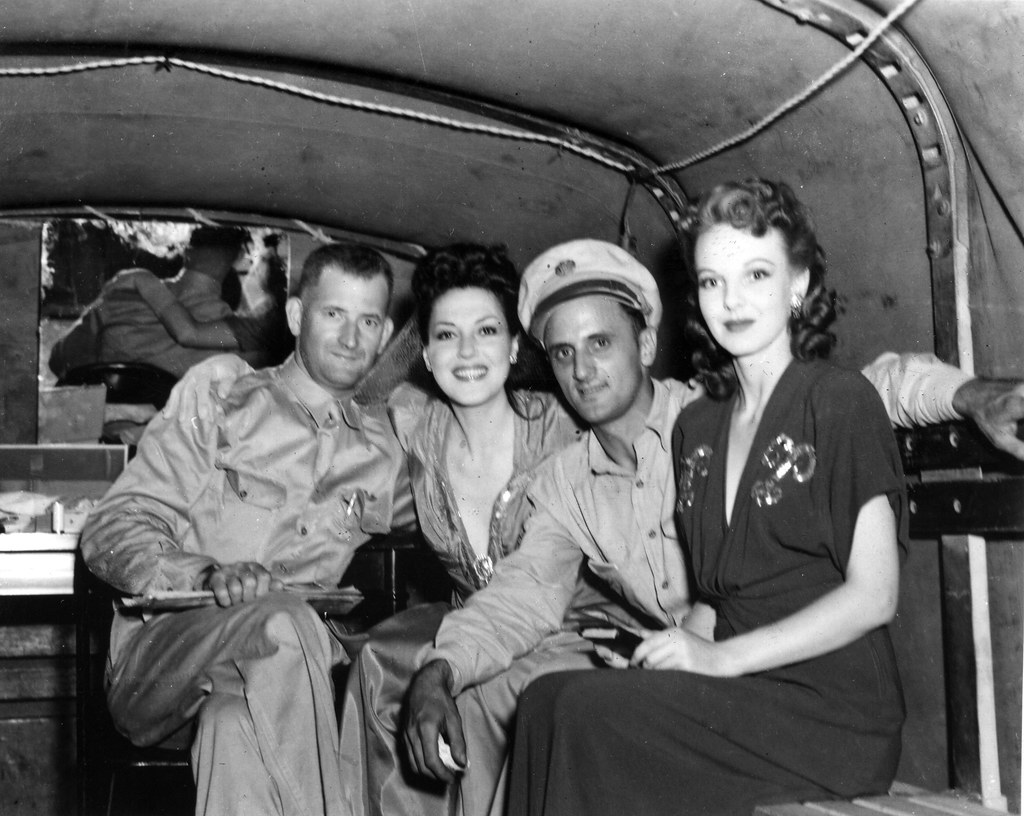
The Nostalgia Factor: Why It Matters
Nostalgia serves as a powerful connector to our personal histories and shared cultural moments. In 2026, we see a significant increase in the production of content that echoes past decades. But what exactly makes nostalgia such a compelling force in entertainment? Here are a few reasons:
- Emotional Connection: Nostalgic content often stirs feelings of comfort, familiarity, and joy, creating a sense of belonging among audiences.
- Timeless Themes: Many stories from the past explore universal themes such as love, friendship, and adventure, making them relevant even today.
- Market Demand: The success of retro-inspired content often leads to a demand for similar projects, encouraging studios and creators to capitalize on this trend.
Film and Television: A Trip Down Memory Lane
This year has seen a wave of reboots, remakes, and sequels that tap into beloved franchises from the 80s, 90s, and early 2000s. Popular shows and films are being given fresh life with modern storytelling techniques while retaining their core appeal. Some noteworthy examples include:
- Revived Series: Classic sitcoms and dramas that defined a generation are being brought back to life, often with original cast members or modern reinterpretations.
- Remakes of Iconic Films: Filmmakers are reimagining iconic films, offering new perspectives or enhancing special effects for contemporary audiences.
- Nostalgic Themes: Many new productions are heavily referencing pop culture of the past, integrating familiar music, fashion, and dialogue into their narratives.
Music: The Resurgence of Retro Sounds
In the music industry, 2026 has seen a striking resurgence of retro sounds, particularly from the disco and grunge eras. Artists are blending vintage influences with modern beats, resulting in a delightful mix that appeals to various demographics. Highlights of this trend include:
- Sampling Classics: Many contemporary songs now sample tracks from earlier decades, reintroducing vintage hits to a new audience.
- Revival of Genres: Genres such as synth-pop and funk are experiencing a comeback, with new artists embracing the sounds that shaped their childhoods.
- Collaborations: Established artists are collaborating with up-and-coming musicians to create music that pays homage to the past while remaining fresh and innovative.
Gaming: Revisiting Iconic Titles
The gaming industry is not left out of the nostalgia wave. Many developers are revisiting successful franchises from the past and offering remastered versions that appeal to both longtime fans and new players. The following trends are notable:
- Remastered Classics: Iconic games are being updated with improved graphics and gameplay mechanics, allowing players to experience beloved titles in a new light.
- Retro-Inspired Games: New games are being designed with retro aesthetics and gameplay, providing a sense of nostalgia while introducing innovative features.
- Community Engagement: Developers are actively engaging with the gaming community, seeking input on which classic titles to revive.
Fashion: A Blast from the Past
Nostalgic trends have also permeated the fashion industry, with styles from the past making a significant impact on contemporary wardrobes. This year, we see:
- Vintage Influences: Styles from the 70s, 80s, and 90s are trending, with many designers drawing inspiration from these eras.
- Thrift Culture: The popularity of second-hand shopping has surged as consumers seek unique pieces that reflect past fashion trends.
- Fashion Collaborations: Brands are collaborating with iconic designers of the past, creating limited collections that celebrate nostalgia.
Conclusion: The Future of Nostalgia in Entertainment
As we continue through 2026, the influence of nostalgia in entertainment is likely to grow even stronger. It provides a comforting escape and a bridge between generations. The blending of retro and modern elements not only appeals to our sense of reminiscence but also fosters creativity and innovation in storytelling, music, fashion, and gaming. In the coming years, we can expect to see even more creative ventures that reflect this enduring fascination with the past, reminding us of the power of nostalgia in shaping our entertainment experiences.