The Shift Towards User-Generated Content
As we stride into 2026, the entertainment landscape is witnessing a remarkable transformation driven by user-generated content (UGC). This phenomenon has reshaped how creators and audiences interact, establishing a new era that embraces diversity, creativity, and authenticity.
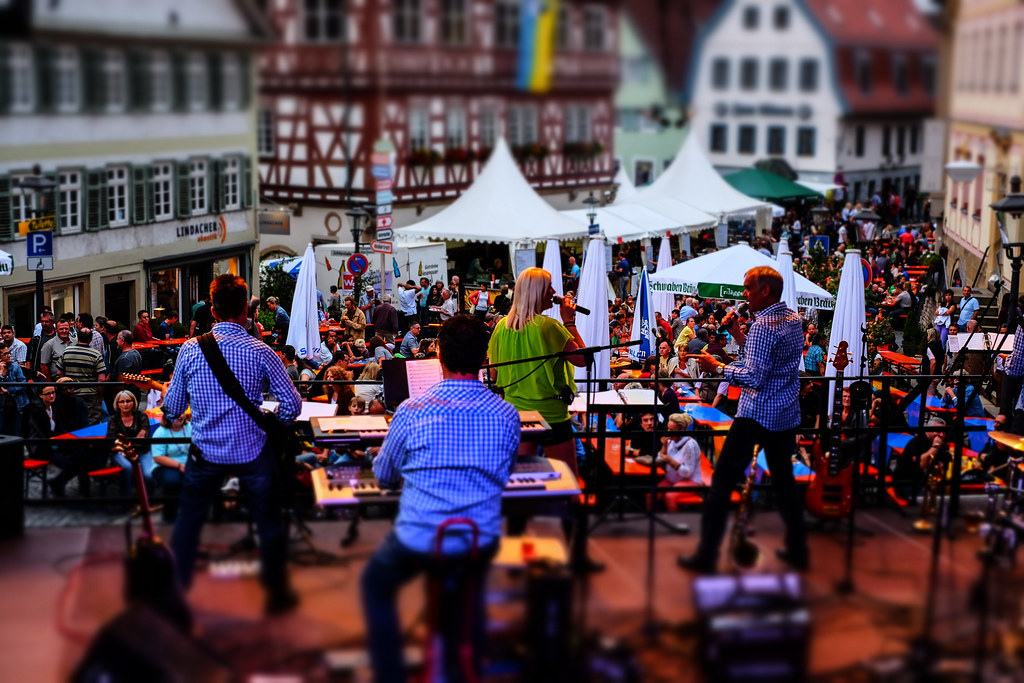
What is User-Generated Content?
User-generated content refers to various media creations produced by individuals rather than traditional media companies. This includes videos, music, artwork, blog posts, and even entire films crafted by amateurs and enthusiasts. Platforms such as YouTube, TikTok, and Instagram have paved the way for millions to share their creativity, democratizing the entertainment industry.
The Rise of Influencer Culture
In 2026, influencers are not just marketing tools but genuine creators who resonate with audiences. Their ability to connect with viewers on a personal level has solidified their impact on entertainment trends. With millions of followers, influencers have taken an active role in shaping content, from lifestyle vlogs to unfiltered music releases.
The Power of Authenticity
Today’s audiences crave authenticity, which UGC often provides. Unlike polished productions from major studios, content generated by everyday individuals feels raw and relatable. This authenticity fosters a sense of community and belonging, encouraging viewers to engage and participate rather than passively consume.
Platforms Empowering Creators
Numerous platforms are dedicated to empowering creators by offering tools and opportunities to showcase their work:
- YouTube: Continues to lead with its monetization options for creators and a vast audience base.
- TikTok: Known for its short-form video content, TikTok has cultivated a generation of viral creators and trends.
- Patreon: Allows fans to support their favorite creators directly, fostering sustainable content creation.
- Substack: Provides a platform for writers to publish newsletters, creating a new realm for storytelling.
Moving Beyond Traditional Boundaries
In 2026, UGC is not confined to social media; it has expanded into mainstream entertainment. Major film studios and television networks are increasingly collaborating with independent creators to produce content. This not only taps into fresh perspectives but also minimizes production costs, making it economically viable.
Interactive and Collaborative Projects
The 2026 entertainment landscape is characterized by interactive and collaborative projects where audiences play a role in content creation. Crowdsourced films, virtual concerts, and even collective storytelling have emerged as popular formats. Audiences are no longer mere spectators; they are participants shaping narratives and experiences.
Challenges and Considerations
Despite its benefits, UGC presents challenges:
- Quality Control: The sheer volume of content can lead to varying quality levels, making it harder for audiences to find worthwhile projects.
- Copyright Issues: The line between inspiration and plagiarism often blurs, leading to legal disputes.
- Monetization Struggles: Many creators struggle to earn adequate income despite high engagement levels.
The Future of User-Generated Content
As we look ahead, the potential for UGC in entertainment is vast. Innovations in technology, such as AI-assisted editing and augmented reality enhancements, will further empower creators to produce captivating content. Additionally, new platforms are likely to arise, providing even more spaces for creative expression.
Conclusion
The rise of user-generated content is not just a passing trend, but a revolutionary shift that has transformed the entertainment industry by promoting inclusivity and fostering genuine creativity. As we navigate this new age in 2026, embracing the voices of everyday creators will be crucial in shaping the future of entertainment.