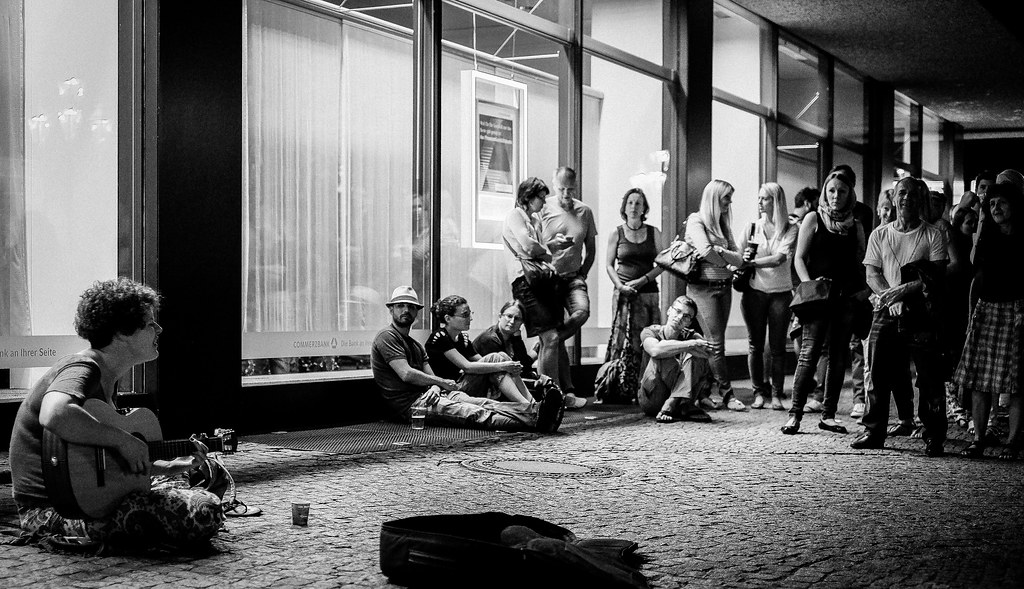
Margate - The Turner Gallery Opening - Apr 2011 - Childrens Entertainer

Exploring the Evolution of Music Festivals: A New Era in Entertainment

The Changing Landscape of Music Festivals

In recent years, music festivals have undergone a profound transformation, emerging as more than just events centered around performances. As we move through 2026, the evolution of music festivals reflects broader trends in entertainment, culture, and technology.

Margate - The Turner Gallery Opening - Apr 2011 - Childrens Entertainer
Foto: Gareth1953 All Right Now

The Growth of Experiential Components

Today’s music festivals are about crafting immersive experiences rather than merely providing a lineup of artists. Attendees are looking for more than just music; they seek engaging interactions. Festivals now commonly feature:

  • Art Installations: Artists are commissioned to create immersive art spaces that attendees can explore.
  • Interactive Workshops: From dance to cooking, these workshops allow fans to participate in the festival beyond just spectating.
  • Food and Drink: Curated food experiences from local chefs have become a staple, making culinary delight a key aspect of the festival experience.

Technological Innovations Enhancing Engagement

Technology plays a crucial role in revolutionizing music festivals. Here’s how:

  • Mobile Applications: Festivals now have dedicated apps that offer schedules, maps, and real-time updates, ensuring attendees maximize their experience.
  • Cashless Payments: Many festivals have adopted cashless payment systems, streamlining transactions and improving security.
  • Live Streaming: With the rise of online platforms, festival performances are often live-streamed, allowing fans worldwide to experience the event.

Inclusivity and Diversity in Lineups

The conversation around diversity in entertainment has reached the music festival circuit. In 2026, festivals are increasingly committed to promoting inclusivity:

  • Gender Balance: A growing number of festivals aim for gender-balanced lineups, giving women artists a more significant platform.
  • Representation: Festivals are embracing artists from various cultural backgrounds, enriching the lineup and enhancing cultural exchange.

Environmental Sustainability Initiatives

As awareness of climate change increases, many festivals are prioritizing sustainability:

  • Eco-Friendly Practices: Many organizers are incorporating zero-waste initiatives, encouraging recycling and composting.
  • Renewable Energy Sources: Events are utilizing solar and wind energy to power stages and facilities.

The Rise of Multi-Genre Festivals

While traditional genre-specific festivals still thrive, there is a noticeable rise in multi-genre festivals. These events cater to diverse musical tastes, allowing fans to explore various genres in one setting. This trend reflects a broader shift in music consumption, where listeners are increasingly open to exploring different sounds and styles.

Local Community Engagement

Today’s music festivals are making concerted efforts to engage with local communities:

  • Local Vendors: Many festivals are prioritizing local food and merchandise vendors, fostering economic support for the surrounding area.
  • Community Programs: Initiatives that include local youth in volunteer programs or performances create a sense of ownership and pride within the community.

The Impact of Global Events

Recent global events, including the pandemic, have reshaped how music festivals are organized and perceived:

  • Health and Safety Protocols: Festivals are implementing enhanced health measures to ensure safety, with protocols that include contactless entry and improved sanitation.
  • Hybrid Models: Many festivals now offer a hybrid experience, allowing in-person attendance and virtual participation simultaneously.

Conclusion: The Future of Music Festivals

As we look to the future, music festivals will continue to evolve to meet the desires of audiences eager for more than just music. The focus on experience, community, and sustainability will drive this evolution, ensuring that music festivals remain a vibrant aspect of entertainment culture in 2026 and beyond.


DIY in car entertainment system

Unpacking the World of Augmented Reality in Entertainment: Trends for 2026

Introduction

In a world increasingly driven by technology, augmented reality (AR) has emerged as a transformative force in entertainment. As we navigate 2026, it’s clear that AR is not just a fleeting trend but a lasting change that influences how audiences engage with content. From interactive gaming experiences to immersive storytelling in films, AR is reshaping the entertainment landscape.

DIY in car entertainment system
Foto: Gavin Tapp

The Evolution of Augmented Reality

While virtual reality (VR) has often stolen the spotlight, AR has been quietly revolutionizing the way we consume media. Unlike VR, which creates a completely immersive environment, AR enhances our existing surroundings with digital elements. This unique ability allows users to interact with both the real and digital worlds, creating an experience that is both engaging and relatable.

History and Growth

AR technology has its roots in the early 2000s, but it wasn’t until the mid-2010s that it began to gain mainstream traction, largely due to advancements in smartphone technology and applications like Pokémon GO. By 2026, we’ve seen significant investments in AR tech across various sectors, including film, gaming, and live events.

AR in Film and Television

The film industry has embraced augmented reality as a means to enhance storytelling. Traditionally, viewers experience films on a flat screen; however, AR integrates elements of the movie into the viewer’s environment.

Enhanced Viewing Experiences

  • Interactive Movie Watching: Films are now being designed to incorporate AR features, allowing audiences to interact with characters and plot elements in real-time.
  • Augmented Characters: Characters can appear in the viewer’s environment through mobile apps, offering a unique narrative experience that blurs the line between fiction and reality.

Examples of AR in Movies

  • The Marvel Cinematic Universe: With its successful use of AR promotional campaigns, fans can engage with their favorite superheroes through mobile experiences that integrate seamlessly into daily life.
  • Interactive Storytelling Projects: Several independent films are experimenting with AR, allowing viewers to unlock different storylines by interacting with their surroundings using their devices.

The Role of AR in Gaming

The gaming industry has been one of the primary beneficiaries of AR technology. Games that leverage AR provide players with dynamic gameplay that is not only entertaining but also encourages physical activity.

Immersive Gameplay

  • Real-World Integration: Games like Pokémon GO have shown that AR can blend the gaming experience with real-world exploration, making gameplay an active, engaging experience.
  • Social Connections: AR games foster community interaction, allowing players to connect and collaborate with others in their immediate environment.

Live Events and Experiences

In 2026, live events have been transformed through the integration of AR technology. Concerts, sporting events, and conventions are now enriched by AR experiences that engage attendees on a whole new level.

Augmented Concerts

  • Enhanced Performances: Artists use AR to create visually stunning performances that captivate audiences through interactive light shows and holographic displays.
  • Audience Participation: Fans can engage with performances using their smartphones to unlock exclusive content or view AR-enhanced visuals that complement the live experience.

Sporting Events

  • AR Statistics: Attendees can access real-time statistics about players and matches through AR applications, providing deeper insights into the game.
  • Interactive Fan Zones: Many sporting events have adopted AR technologies in fan zones, allowing visitors to participate in interactive experiences that blend fun with information.

Challenges to Overcome

Despite its immense potential, the AR industry faces several challenges that stakeholders must address to ensure its continued growth and adoption.

Technological Limitations

While AR technology is advancing rapidly, issues such as device compatibility and the need for high-speed internet access remain barriers for widespread use, especially in less technologically advanced regions.

User Experience

For AR to be truly successful, creators must focus on enhancing user experience. Overly complex interfaces or experiences can deter users from engaging fully with AR content.

The Future of AR in Entertainment

As we look ahead, the potential for AR in entertainment seems limitless. Innovations in hardware, such as AR glasses and enhanced mobile devices, will likely make AR more accessible and user-friendly.

Integration with AI and Machine Learning

The integration of AI and machine learning with AR has the potential to further personalize experiences, allowing content to adapt based on user preferences and interactions.

Expanding into New Genres

As creators become more familiar with AR, we can expect to see its application in new genres, including education, tourism, and even wellness, where interactive experiences can enhance learning and mindfulness.

Conclusion

Augmented reality is undeniably shaping the future of entertainment in 2026. As the boundaries between the physical and digital worlds continue to blur, we are entering an exciting era of immersive experiences that engage audiences like never before. Whether through films, gaming, or live events, AR is set to redefine how we entertain ourselves and interact with the world around us.

DSC_6230 Black British Entertainment Awards BBE Dec 2017 at Porchester Hall London with Jean Gasho Co Founder of BBE

The Rise of Virtual Reality: Revolutionizing Entertainment in 2026

Introduction

As we find ourselves in the year 2026, the landscape of entertainment is transforming at an unprecedented rate. One of the most significant players in this evolution is Virtual Reality (VR). VR technology is no longer confined to the realms of gaming; it is paving the way for a new era in entertainment that encompasses films, concerts, and even virtual social gatherings.

DSC_6230 Black British Entertainment Awards BBE Dec 2017 at Porchester Hall London with Jean Gasho Co Founder of BBE
Foto: photographer695

What is Virtual Reality?

Virtual Reality is a simulated experience that can replicate or enhance the real world, immersing users in a three-dimensional environment. Utilizing VR headsets and other advanced equipment, users can interact with digital environments as if they are part of them. This technology has improved significantly over the years, making it more accessible and engaging than ever.

The Transformation of Film Experiences

VR is reshaping how films are produced and experienced. Traditional cinematic experiences have begun to incorporate VR elements, allowing viewers to step into the story:

  • Immersive Storytelling: Filmmakers are experimenting with 360-degree storytelling, enabling audiences to explore the film’s environment, interact with characters, and choose their narrative path.
  • Enhanced Viewer Engagement: VR experiences provide a sense of presence, making viewers feel as though they are part of the action. This leads to more emotional connections and a deeper appreciation for the artistry involved in filmmaking.

Case Studies in VR Film

Several filmmakers have begun to embrace VR to tell stories in innovative ways:

  • Example 1: A groundbreaking short film that allows viewers to experience a day in the life of its protagonist, exploring their surroundings in real-time.
  • Example 2: A horror film that utilizes VR to place viewers in a haunted house, triggering real-time scares based on their movements.

The Concert Experience Reimagined

Live concerts have also seen the transformative influence of VR technology. Music enthusiasts can now attend virtual concerts and festivals from the comfort of their homes:

  • Global Reach: Artists can connect with fans worldwide, breaking geographic barriers and offering performances that are accessible to everyone.
  • Interactivity: Fans can interact with their favorite artists in virtual backstage experiences, enjoying Q&A sessions and exclusive content post-performance.

Notable Virtual Concerts

Several major artists have hosted successful virtual concerts that showcase the potential of this platform:

  • Artist A: A multi-sensory VR concert that combined music, visuals, and interactive elements, creating a unique experience for attendees.
  • Artist B: A virtual festival featuring collaborations with other artists in a digitally curated environment, allowing for shared experiences among fans.

The Rise of Virtual Social Gatherings

Beyond films and concerts, VR is redefining social interactions in the entertainment realm:

  • Virtual Reality Hangouts: Platforms like VRChat enable users to create virtual spaces where they can socialize, play games, and even co-create content together.
  • Game Nights and Movie Watch Parties: Friends can connect in VR to enjoy movies or play games together, no matter where they are in the world.

Impact on Friendships and Relationships

VR offers a new way to maintain connections, especially in a world where physical distance can be challenging:

  • Strengthening Bonds: VR allows for shared experiences, fostering a sense of togetherness that may be missing in traditional virtual interactions.
  • Cultural Exchange: Users can interact with people from diverse backgrounds, enriching their understanding of global cultures through shared entertainment experiences.

The Future of VR in Entertainment

What lies ahead for VR in the entertainment industry? The potential seems limitless:

  • Technological Advancements: As technology continues to improve with better graphics, quicker response times, and enhanced haptic feedback, the immersive experience will become even more captivating.
  • Increased Accessibility: As VR devices become more affordable, a broader audience will gain access, further popularizing this form of entertainment.

Challenges and Considerations

While VR has immense potential, certain challenges must also be addressed:

  • Comfort and Accessibility: VR can cause motion sickness or discomfort for some users, necessitating continued research to improve user experience.
  • Content Creation: Creating high-quality VR content requires significant resources, which can limit the number of projects that come to fruition.

Conclusion

As we venture further into 2026, Virtual Reality will undoubtedly play a crucial role in the evolution of entertainment. From enhancing film experiences and reimagining live concerts to fostering new social experiences, VR is at the frontier of a revolutionary transformation. Embracing these technological advancements will not only redefine how we consume entertainment but also how we connect with one another in an increasingly digital world.

USO entertainers in the back of a military vehicle during World War II

The Future of Entertainment: Embracing Diversity and Innovation in 2026

Introduction

As we navigate through 2026, the entertainment industry is experiencing a remarkable transformation fueled by diversity and innovation. Today’s audiences seek not only engaging content but also representation that resonates with their values and experiences. From movies to music, the platforms that dominate our screens and speakers are adapting to a world that embraces a broader spectrum of voices and stories.

USO entertainers in the back of a military vehicle during World War II
Foto: gbaku

The Role of Diversity in Shaping Entertainment

Diversity has become a cornerstone of modern entertainment, influencing storytelling, casting, and production decisions. As we look into 2026, several key factors highlight its importance:

  • Representation Matters: Audiences increasingly demand characters that reflect their own backgrounds, cultures, and experiences. This shift has led to a surge in content featuring underrepresented groups, thus ensuring that everyone’s story gets a chance to be told.
  • Global Collaborations: The globalization of entertainment has led to collaborations across cultures. Films and television shows now often feature diverse casts that include actors from different parts of the world, creating a rich tapestry of perspectives.
  • Inclusive Storytelling: Filmmakers and writers are expanding narratives to encompass a wider array of themes, including those centered around identity, struggle, and triumph. This creates a more relatable and authentic experience for viewers.

Technological Innovations Driving the Future

The integration of technology in entertainment is revolutionizing how stories are told and experienced. Here are the most impactful technological trends shaping the future:

  • Augmented Reality (AR) and Virtual Reality (VR): These immersive technologies are transforming how audiences engage with content, offering interactive experiences that go beyond traditional viewing. Whether it’s stepping into a virtual concert or exploring a 3D film narrative, AR and VR are setting new benchmarks for audience engagement.
  • Artificial Intelligence (AI): AI is not only enhancing content creation but also personalizing user experiences. From AI-generated scripts to tailored recommendations on streaming platforms, technology is making entertainment more accessible.
  • Blockchain Technology: Blockchain is making waves in the entertainment industry by providing artists with better control and ownership of their work. Smart contracts can ensure creators are fairly compensated, thus encouraging more artists to enter the field.

New Formats and Genres Gaining Popularity

As diverse voices and innovative technologies reshape the landscape, several emerging formats and genres are capturing audience attention:

  • Short-Form Content: Platforms like TikTok and YouTube Shorts have popularized brief, engaging content. This trend encourages creators to tell compelling stories in under a minute, challenging traditional storytelling norms.
  • Podcasting Renaissance: The podcasting boom continues, with genres ranging from true crime to wellness. This audio format allows for in-depth exploration of topics and has become a significant player in the entertainment industry.
  • Interactive Content: Gamifying storytelling through interactive series allows viewers to influence the narrative, creating a more engaging experience. This trend is especially pronounced in young adult programming.

Changing Landscape of Film and Television

The film and television industries are adjusting to changing consumer behaviors. As we enter 2026, here are notable changes:

  • Rise of Inclusivity: There is a noticeable shift towards producing content that is inclusive of various gender identities, sexual orientations, and cultural backgrounds, offering audiences a broader spectrum of authentic storytelling.
  • Streaming Over Theatrical Releases: The pandemic has accelerated the shift towards streaming, as many audiences now prefer the convenience of watching from home. The adaptation of blockbuster releases to streaming platforms reflects this trend.
  • Focus on Documentary and Reality Content: Audiences are increasingly drawn to real-life stories and unscripted formats, providing insights into different cultures and perspectives.

Conclusion

As entertainment evolves in 2026, the fusion of diversity and innovation is creating a more inclusive and engaging landscape. With technological advancements enhancing storytelling and a growing emphasis on representation, entertainment is becoming a powerful medium that not only entertains but also inspires and empowers audiences worldwide. As we move forward, these trends will undoubtedly continue to shape what we watch, listen to, and experience.

USO entertainers in the back of a military vehicle during World War II

The Interplay of Celebrity Culture and Social Media in Modern Entertainment

Introduction

As we navigate the ever-evolving landscape of entertainment in 2026, the relationship between celebrity culture and social media has become increasingly profound. Social media platforms have transformed the way audiences interact with their favorite stars, blurring the lines between personal and public lives. This article explores how this interplay shapes trends, influences content, and redefines the fan experience.

USO entertainers in the back of a military vehicle during World War II
Foto: gbaku

The Rise of the Influencer

In 2026, traditional celebrity status has been further democratized by the rise of social media influencers. These individuals often emerge from platforms like TikTok, Instagram, and YouTube, building substantial followings based on their content rather than conventional pathways like television or film. This shift has numerous implications for the entertainment industry:

  • Accessibility: Anyone with a smartphone can become a content creator, leading to a wider array of voices and perspectives.
  • Relatability: Influencers often connect with fans on a personal level, fostering a sense of relatability that traditional celebrities may lack.
  • Direct Engagement: Social media enables influencers to engage directly with their followers, nurturing communities that feel more invested in their journeys.

Impact on Traditional Celebrities

Even established celebrities have adapted to this new environment, utilizing social media to maintain relevance. Many now actively engage with fans through live streams, interactive Q&As, and behind-the-scenes content. This evolution has led to:

  • More Authentic Personal Branding: Celebrities are curating their images by sharing candid aspects of their lives, thereby humanizing their public personas.
  • Collaborations with Influencers: Many traditional stars collaborate with influencers to tap into new audiences, often leading to unique and engaging content.

The Evolution of Content Creation

Content creation in 2026 is heavily influenced by the preferences and interactions of both influencers and traditional celebrities. Platforms prioritize user-generated content that resonates with viewers, impacting how stories are told:

  • Short-Form Content: Platforms like TikTok have popularized short, engaging videos that convey narratives quickly and innovatively.
  • Integrated Marketing: Brands leverage influencers for seamless marketing within content, making promotions feel more natural and less intrusive.

The Role of AI in Content Creation

Artificial intelligence continues to play a crucial role in shaping entertainment. From content curation to predictive analytics, AI tools help creators understand audience preferences and optimize their content strategies. The benefits include:

  • Tailored Experiences: AI allows for personalized content delivery, enhancing viewer engagement by serving them what they are most likely to enjoy.
  • Efficient Production: Creators can leverage AI for scriptwriting, video editing, and even voice modulation, streamlining content production processes.

Fan Engagement in a Digital Age

In 2026, fan engagement has transcended traditional boundaries. Fans are no longer passive consumers; they are active participants shaping the conversation:

  • Fan-driven Content: Many stars encourage fans to create their spin on trends, leading to viral challenges and collaborative projects.
  • Virtual Events: Live-streamed concerts and events, augmented by interactive features like polls and chats, allow fans to feel connected regardless of physical distance.

The Importance of Community

Building a community around content is crucial. Fans often connect through shared passions, creating online spaces where they can discuss their favorite shows, celebrities, or trends. Key factors include:

  • Shared Experiences: Platforms facilitate discussions and collaborations among fans, fostering a sense of belonging.
  • Exclusive Content: Many creators provide exclusive behind-the-scenes insights or special events for their most engaged followers, deepening their connection.

Challenges and Considerations

While the integration of social media and celebrity culture presents numerous opportunities, it also poses challenges. These include:

  • Misinformation: The rapid spread of information can lead to the dissemination of false narratives, which may harm reputations or mislead fans.
  • Privacy Concerns: Increased scrutiny of public figures raises questions about personal privacy, as fans expect transparency in stars’ lives.

Finding a Balance

For celebrities and influencers, balancing public engagement with personal boundaries is essential. Strategies include:

  • Setting Boundaries: Public figures can choose what aspects of their lives to share, maintaining a healthy separation between public and private spheres.
  • Educating Fans: Many use their platforms to promote digital literacy, guiding followers on how to interact responsibly with online content.

Conclusion

The interplay between celebrity culture and social media continues to reshape the entertainment landscape in 2026. As audiences become more engaged and content creators evolve, the entertainment industry must adapt to meet the needs and expectations of a digitally savvy audience. Understanding these dynamics will be crucial for navigating the future of entertainment.

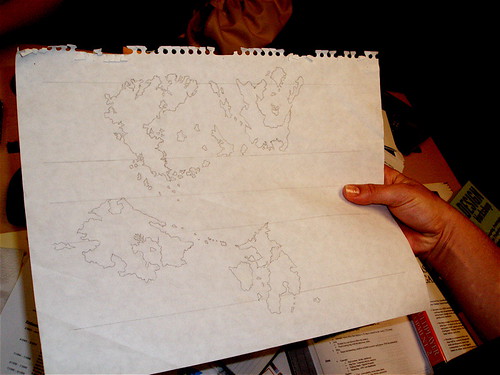
Original Ultima Online map (the game only shipped with the top-left corner), Sony Online Entertainment, San Diego

How Global Cultural Influences are Shaping Entertainment in 2026

Introduction to Global Cultural Influences

As we delve deeper into 2026, the entertainment industry continues to evolve at a rapid pace, largely influenced by global cultural exchanges. This year has seen a remarkable intertwining of diverse cultural elements in movies, music, and television, creating a rich tapestry of entertainment that resonates with audiences worldwide.

Original Ultima Online map (the game only shipped with the top-left corner), Sony Online Entertainment, San Diego
Foto: gruntzooki

The Role of Cultural Cross-Pollination

Cultural cross-pollination refers to the sharing and blending of cultural elements from different backgrounds. In entertainment, this phenomenon has brought about:

  • Diverse Storytelling: Filmmakers and writers are incorporating narratives that reflect various cultural perspectives, leading to a more inclusive portrayal of characters and stories.
  • Global Collaborations: Artists and creators from different countries are increasingly collaborating, resulting in unique productions that appeal to a broader audience.
  • Fusion of Genres: The merging of distinct music and film genres has created innovative styles that capture the essence of multiple cultures.

Spotlight on Global Cinema

In 2026, the landscape of global cinema has dramatically expanded, with non-Western films gaining significant traction. Countries like South Korea, India, and Nigeria have emerged as powerhouses in the film industry, captivating international viewers:

  • Korean Wave (Hallyu): The influence of K-dramas and films continues to grow, with many productions being remade for Western audiences, showcasing their universal appeal.
  • Bollywood Innovations: Indian cinema has embraced technology and storytelling techniques to create visually stunning films that incorporate traditional elements with modern vibes.
  • Nollywood’s Rise: Nigeria’s film industry, Nollywood, is breaking barriers, providing authentic representation of African stories that resonate globally.

The Impact of Streaming Platforms

Streaming services have played a pivotal role in the global reach of diverse cultural entertainment. In 2026, platforms like Netflix, Amazon Prime, and Disney+ have augmented their libraries with international films and series, allowing audiences to discover:

  • Subtitled Content: Audiences are more open to watching foreign-language films, leading to a rise in subtitled and dubbed international content.
  • Cultural Documentaries: There is a growing interest in documentaries that explore cultural practices, traditions, and lifestyles across the globe, enhancing viewers’ understanding of different societies.

The Melting Pot of Music

Music is another sector where global cultural influences are palpable in 2026. Genres such as Reggaeton, Afrobeat, and K-Pop have transcended borders, leading to a blended musical landscape characterized by:

  • Cross-Genre Collaboration: Artists from different genres are collaborating, resulting in hit songs that blend cultural sounds.
  • International Festivals: Music festivals are increasingly featuring a lineup of diverse artists, promoting cultural exchange and appreciation.

The Future of Cultural Integration in Entertainment

As we look toward the future, the trend of cultural integration in entertainment is expected to grow. Key factors driving this evolution include:

  • Technological Advancements: As technology continues to bridge geographic and cultural gaps, we anticipate more innovative storytelling methods that highlight diverse narratives.
  • Audience Demand: With a more culturally aware audience, demand for inclusive and representative content is higher than ever.
  • Social Media Influences: Platforms like TikTok and Instagram are playing a crucial role in popularizing cultural content, allowing creators from various backgrounds to showcase their work and connect with global audiences.

Conclusion

The entertainment industry in 2026 is a testament to the beauty and richness of global cultural influences. As we witness an ongoing transformation, the blending of diverse narratives, musical genres, and artistic expressions promises to create a vibrant future for entertainment, celebrating the interconnectedness of our world.

Korean Entertainer

The Cultural Mosaic of Entertainment: Trends and Transformations in 2026

Introduction

As we dive deeper into 2026, the world of entertainment continues to evolve at an unprecedented pace. Cultural shifts, technological advancements, and global influences are weaving a rich tapestry that reflects contemporary society’s values and aspirations. In this article, we will explore how these elements contribute to the changing entertainment landscape and what they mean for creators and audiences alike.

Korean Entertainer
Foto: dok1

The Influence of Global Culture

Entertainment has always been about storytelling, but today, it is increasingly shaped by a diverse array of cultural perspectives. As the world grows more interconnected, the sharing of stories across different cultures has never been easier. This cross-pollination of ideas is leading to:

  • Collaborative Productions: More films and shows are being produced through international collaborations, leading to unique narratives that reflect a blend of cultural backgrounds.
  • Cultural Festivals: Events like the Cannes Film Festival and Sundance are expanding their focus to include films from around the world, highlighting global storytelling.
  • Streaming Services: Platforms are investing in local content for different regions, allowing viewers to access stories that resonate with their cultures.

Case Study: K-Drama and Its Global Rise

The Korean Wave, or Hallyu, has taken the world by storm, with K-Dramas becoming a staple in global pop culture. Shows such as Squid Game have transcended borders, attracting audiences worldwide. This trend illustrates how a single cultural phenomenon can influence global entertainment dynamics.

Technological Advancements Shaping Entertainment

Technology continues to redefine how we consume and interact with entertainment. In 2026, several key innovations are making headlines:

  • Virtual Reality (VR) and Augmented Reality (AR): These technologies are enhancing user experiences, allowing fans to immerse themselves in their favorite worlds. From virtual concerts to interactive storytelling, the potential is limitless.
  • Artificial Intelligence: AI is being used not just for content creation but also for personalizing viewing experiences. Algorithms analyze user preferences to recommend tailored content, making it easier for audiences to discover new favorites.
  • Blockchain Technology: As the entertainment industry seeks transparency, blockchain is being adopted for rights management, ensuring creators receive fair compensation for their work.

The Rise of Independent Creators

The democratization of content creation is one of the most promising trends in 2026. Platforms that support independent creators provide opportunities for unique voices to emerge. Crowdfunding and direct fan support are reshaping how projects are financed and produced, allowing for greater artistic freedom.

Changing Audience Engagement

In the past, audience engagement often meant passive consumption. Today, fans are more active than ever. This shift is fueled by social media and the desire for community:

  • Interactive Engagement: Shows and films now engage audiences through social media platforms, enabling them to participate in discussions, fan polls, and even storyline choices.
  • Fan-generated Content: Fans are creating their own interpretations of stories through fan art, videos, and fan fiction, which has become a crucial part of the entertainment ecosystem.
  • Community-Building: Online fandoms foster connections among viewers who share similar interests, turning passive viewers into active participants in the storytelling process.

Examples of Successful Audience Engagement

Popular franchises like the Marvel Cinematic Universe and Star Wars have capitalized on fan engagement by hosting events, creating exclusive merchandise, and encouraging fan creations. These efforts deepen audience investment in the story worlds.

Environmental Considerations in Entertainment

With increasing awareness of climate change, the entertainment industry is adopting more sustainable practices. In 2026, we see:

  • Green Productions: Filmmakers are prioritizing eco-friendly practices, from sustainable set designs to carbon-neutral production processes.
  • Storytelling on Environmental Issues: More narratives are focusing on themes of sustainability and climate action, educating audiences and inspiring change.

Innovative Examples

Films like Don’t Look Up have sparked conversations about climate change, blending entertainment with urgent global issues. By highlighting sustainability, the industry not only entertains but also raises awareness.

Conclusion

The entertainment landscape in 2026 is vibrant and dynamic, shaped by cultural diversity, technological advancements, and a heightened sense of social responsibility. As audiences evolve, so too will the narratives, platforms, and experiences that define our various forms of entertainment. By embracing these changes, we can look forward to a more inclusive, innovative, and engaging future.

entertainment

Navigating the Digital Realm: The Future of Entertainment Platforms in 2026

Introduction: The Digital Entertainment Landscape

As we find ourselves in 2026, the entertainment industry continues to evolve rapidly, driven by digital innovation and shifting consumer preferences. Understanding the direction of entertainment platforms is crucial for creators, consumers, and businesses alike. This article delves into the current trends shaping the digital entertainment landscape and what the future holds.

entertainment

The Rise of Niche Streaming Services

Streaming services have exploded in popularity over the last few years, but 2026 marks a shift towards niche platforms. These services cater to specific interests, offering tailored content that traditional streaming giants often overlook. Here are some examples:

  • Specialized Genre Services: Platforms focusing on specific genres like horror, indie films, or documentaries are gaining traction.
  • Cultural and Regional Content: Services that feature local films, shows, and cultural content are providing new avenues for audiences.
  • Community-Driven Content: Platforms allowing user-generated content are seeing a rise, especially among younger viewers who crave authenticity.

The Integration of Augmented Reality (AR) in Content Consumption

Augmented Reality (AR) is transforming how audiences engage with their favorite shows and movies. By 2026, the integration of AR technologies has become standard:

  • Interactive Viewing: Shows and films now incorporate AR elements that viewers can interact with, enhancing the storytelling experience.
  • Virtual Merchandise: Fans can purchase AR-enabled merchandise that connects directly to their favorite franchises, offering a new layer of engagement.
  • Location-Based Experiences: AR experiences can be accessed at specific locations, blending real-world exploration with narrative immersion.

Subscription Models: A Tailored Experience

The subscription model has undergone significant changes. In 2026, consumers now favor personalized subscription options:

  • Fan-Centric Packages: Subscriptions that offer exclusive access to behind-the-scenes content, interviews, and virtual meet-and-greets are appealing to dedicated fans.
  • Flexible Payment Structures: Pay-per-view or ‘freemium’ models allow users to access a wide range of content based on their budget and viewing preferences.
  • Bundled Services: Consumers are increasingly favoring bundles that combine multiple services, making it easier to access diverse entertainment.

The Role of Artificial Intelligence in Content Creation

Artificial Intelligence (AI) has established its presence in content creation, significantly affecting how entertainment is produced:

  • Script Writing and Character Development: AI tools assist creators in developing scripts and story arcs, analyzing audience preferences to improve storytelling.
  • Personalized Recommendations: AI algorithms analyze user behavior, offering personalized content suggestions that keep viewers engaged.
  • Automated Editing: AI is streamlining the editing process, reducing production times and costs for filmmakers.

The Evolution of Social Media Engagement

Social media continues to be a powerful tool for promoting entertainment content in 2026:

  • Cross-Platform Campaigns: Successful campaigns utilize multiple social media platforms to reach diverse audiences, creating buzz around releases.
  • Real-Time Interaction: Live Q&A sessions, watch parties, and interactive polls allow fans to engage with creators and other viewers in real-time.
  • User-Generated Content: Platforms are encouraging fans to create and share their content related to shows and movies, creating a communal experience around the entertainment.

Conclusion: Embracing Change in the Entertainment Industry

As we navigate through 2026, the entertainment industry is more dynamic than ever. With niche streaming services, augmented reality, personalized subscriptions, and AI-driven content creation becoming increasingly prevalent, it is an exciting time for both creators and consumers. Embracing these changes will be essential for anyone involved in the entertainment landscape, whether you’re a fan, a content creator, or a business professional.

Junior Doctors being entertained by The Red Flag in front of Norwich Trades Council banner A3

The Future of Live Events: Enhancing Experiences in Entertainment for 2026

The Rise of Live Events Post-Pandemic

As we navigate through 2026, the entertainment landscape has significantly transformed. The pandemic prompted a reevaluation of how live events are organized and experienced, leading to a resurgence that combines technology and personal connection.

Junior Doctors being entertained by The Red Flag in front of Norwich Trades Council banner A3
Foto: Roger Blackwell

New Avenues for Live Entertainment

In 2026, live events are not just about concerts or theater productions anymore. They have expanded to include a variety of interactive experiences that engage audiences on multiple levels. Here’s a closer look at what’s trending in live entertainment:

  • Hybrid Events: Combining virtual and in-person elements allows for broader accessibility and engagement.
  • Immersive Experiences: Events that incorporate elements from theater, technology, and audience participation, creating a narrative that attendees can walk through.
  • Pop-Up Events: Short-term, surprise events that generate buzz and exclusivity, often leveraging social media for promotion.

Technology Integration in Live Events

The infusion of technology into live events has redefined the experience for both performers and audiences. Here are some key advancements:

  • Augmented Reality (AR): Enhancing performances with AR allows audiences to experience additional layers of storytelling through their devices.
  • Mobile Apps: Dedicated apps for events help improve accessibility, provide real-time updates, and facilitate audience interaction.
  • Social Media Engagement: Real-time social media integration enhances audience participation and creates a sense of community during events.

The Impact of Sustainability on Live Events

As awareness around environmental issues grows, sustainability has become a focal point for live events in 2026. Event organizers are prioritizing eco-friendly practices, such as: Also read: wak89 for more insights.

  • Green Venues: Utilizing venues that prioritize sustainability through energy-efficient systems and waste reduction.
  • Digital Tickets: Reducing paper waste with e-tickets and mobile access.
  • Local Sourcing: Supporting local vendors and artists not only reduces carbon footprints but also fosters community engagement.

Audience Experience and Engagement

Today’s audiences seek more than just passive observation; they crave engagement. Here’s how live events are meeting this demand:

  • Interactive Technologies: From QR codes leading to additional content to live polls during events, interactivity is key to retaining audience attention.
  • Meet and Greet Sessions: Opportunities for fans to connect with their favorite artists create a personal touch and enhance the overall experience.
  • Customized Experiences: Tailoring events to meet the preferences of specific audiences, creating memorable and unique experiences.

The Role of Community in Live Events

Community plays a crucial role in the success of live events. In 2026, fostering a sense of belonging is more important than ever. Here are some ways organizers are building community:

  • Themed Events: Events centered around specific interests or fandoms encourage participation from like-minded individuals.
  • Fan Engagement Platforms: Creating spaces for fans to interact before, during, and after events builds a lasting community.
  • Crowdsourced Content: Involving the audience in content creation, from song choices to event themes, fosters a deeper connection.

The Future of Live Events

Looking ahead, the future of live events seems bright. With the ongoing integration of technology, a strong focus on sustainability, and an emphasis on community, organizers are poised to create memorable experiences that resonate with audiences. Here are some predictions for the coming years:

  • Increased Personalization: As data analytics improve, events will become even more tailored to individual preferences.
  • Global Participation: Hybrid models will allow fans from around the world to participate in live events without the need for travel.
  • Enhanced Storytelling: With advancements in technology, the narrative aspect of live events will continue to evolve, offering more engaging experiences.

Conclusion

In conclusion, the landscape of live entertainment in 2026 is characterized by innovation, sustainability, and community focus. As event organizers embrace new technologies and trends, audiences are sure to enjoy unique and memorable experiences that go beyond traditional formats.

I am the entertainer...

The Transformation of Storytelling in Entertainment: Navigating the Landscape of 2026

The Evolution of Storytelling in the Entertainment Industry

As we delve into 2026, the entertainment landscape continues to undergo significant transformations, particularly in the realm of storytelling. Audiences are increasingly craving content that resonates on a deeper level, and creators are adapting to meet this demand with innovative narratives and formats.

I am the entertainer...
Foto: mripp

Shifting Narratives: From Linear to Non-Linear Storytelling

Traditionally, storytelling in films and television adhered to a linear format, guiding viewers from beginning to end in a structured manner. However, the past few years have seen a notable shift towards non-linear storytelling. This approach allows for a more immersive experience, allowing audiences to engage with narratives in a way that feels personal and dynamic.

  • Interactive Experiences: Platforms are emerging that allow viewers to choose their paths within stories, making every viewing experience unique.
  • Multiple Perspectives: Many creators are now employing techniques that offer various viewpoints within a single narrative, enriching the viewer’s understanding of the story.

The Role of Character Development

Another significant aspect of storytelling in 2026 is the focus on character development. Audiences are not just interested in the plot; they want to connect with characters on an emotional level. Here are some trends that highlight this evolution:

  • Complex Characters: Modern stories feature characters with intricate backstories, moral ambiguities, and relatable dilemmas. This level of depth invites audiences to engage with the characters on a personal level.
  • Diverse Representation: The importance of showcasing diverse characters has never been more crucial. Audiences are demanding representations that reflect society’s rich tapestry.

Utilizing Technology to Enhance Storytelling

As technology continues to evolve, so does its impact on storytelling within the entertainment industry. Here’s how: Also read: wak89 for more insights.

  • Augmented Reality (AR) and Virtual Reality (VR): These technologies have begun to create fully immersive storytelling experiences, transporting audiences into the narrative itself.
  • Artificial Intelligence (AI): AI is being leveraged in scripting and narrative construction, helping to create engaging plots and character arcs based on audience preferences.

Global Perspectives: Influencing Local Narratives

The rise of globalization has led to a blending of stories from various cultures, enriching the narrative landscape. This is evident in:

  • Cultural Collaborations: Creators from different parts of the world are collaborating, producing works that draw from a variety of cultural influences.
  • Local Stories with Global Appeal: Narratives that resonate locally are being crafted in ways that can appeal to a global audience, broadening their reach.

The Future: Anticipating Upcoming Trends

Looking ahead, the future of storytelling in entertainment promises even more innovation. Some trends to watch for include:

  • Short Form Content: With the rise of platforms like TikTok and Instagram Reels, storytelling is becoming more concise, focusing on delivering impactful narratives in shorter formats.
  • Sustainable Storytelling: As society shifts towards sustainability, stories that reflect environmental consciousness and social responsibility are gaining traction.

Conclusion: An Ongoing Journey

In conclusion, storytelling in the entertainment industry is evolving at a rapid pace. As we navigate through 2026, the integration of technology, diverse narratives, and innovative formats are not just trends; they represent a new era of storytelling. For creators and audiences alike, this transformation opens up exciting possibilities, making it a thrilling time to engage with the world of entertainment.