Introduction
As we delve into the heart of 2026, the entertainment industry continues to evolve, embracing fresh visual trends that captivate audiences worldwide. This year, aesthetics in film, music videos, gaming, and live performances have reached new heights, with creators pushing the boundaries of what we can see and experience. Let’s explore the exciting visual shifts that are defining entertainment today.
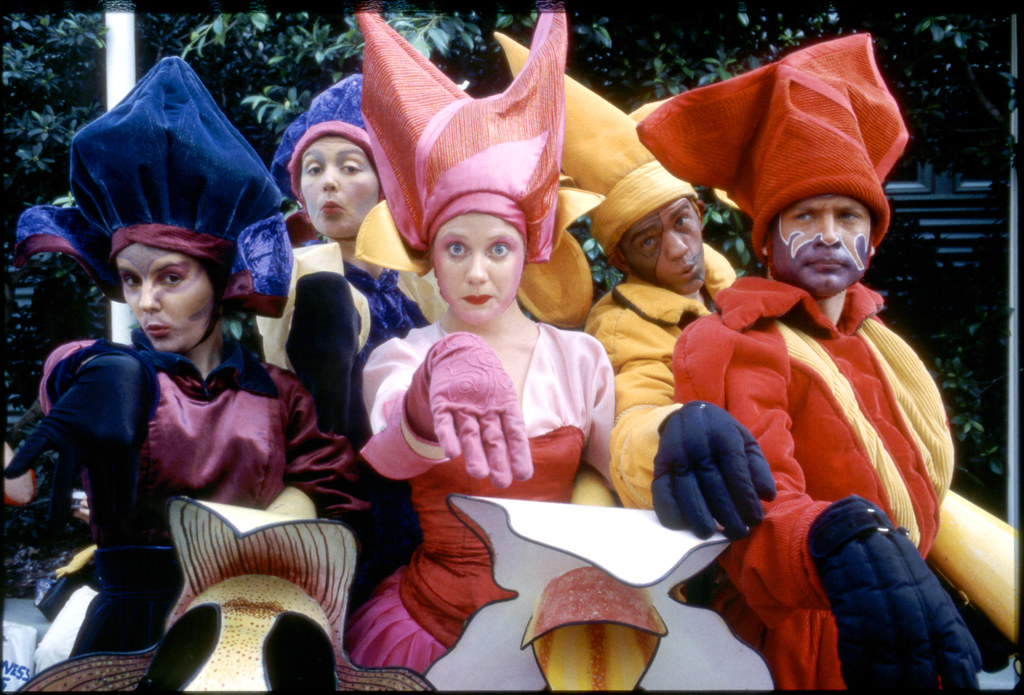
The Impact of Visual Storytelling
Visual storytelling has always been a crucial aspect of entertainment, but in 2026, it has become more dynamic and immersive. The integration of advanced technologies like augmented reality (AR) and high-definition visual effects has enriched narratives, allowing for deeper emotional connections.
1. Enhanced CGI and Practical Effects
Modern filmmakers are blending CGI with practical effects to create a more authentic feel. The use of motion capture technology has reached unprecedented levels, allowing actors’ performances to be mirrored in digital avatars with striking realism.
- Key Examples: Films like “The Spectral Realm” showcase breathtaking environments created through CGI while using real sets to enhance immersion.
2. Cinematic Color Grading
The aesthetic of color grading in film and television has also shifted. Creators are utilizing bold color palettes to convey mood and establish tone. This trend is not only prevalent in mainstream cinema but also in web series and documentaries.
- Key Examples: The series “Color of Life” effectively uses vibrant hues to reflect the characters’ emotional states.
The Rise of Minimalism in Visuals
In contrast to the thriving CGI and hyper-real visuals, minimalism has gained traction across various entertainment mediums. This approach emphasizes simplicity and storytelling through subtlety.
1. Minimalist Set Designs
In theater productions and indie films, we see a resurgence of minimalist set designs that focus on storytelling through space rather than elaborate backgrounds.
- Key Examples: “Silent Echoes” is a play that uses minimal props to invoke deep emotional responses from its audience.
2. Clean Aesthetic in Music Videos
Music videos are also embracing minimalist aesthetics, focusing on powerful performances rather than excessive visuals, which allows the music to take center stage.
- Key Examples: The artist Ava Brooks’ recent video for “Whispers” employs a stark backdrop, making her vocal performance the focal point.
Integration of AI in Creative Processes
AI’s integration into the creative process is reshaping how visual trends develop. From generating artwork to editing content, AI tools are helping artists explore new realms of creativity.
1. AI-Assisted Animation
Animation studios are increasingly using AI to enhance workflows, enabling quicker production times and innovative styles.
- Key Examples: The animated film “Glimmer” utilized AI to create stunning visual sequences that blend traditional and digital artistry.
2. Customizable Visual Effects
With AI, filmmakers can now create customizable visual effects that can be modified in real-time during filming, providing a level of flexibility that was previously unattainable.
- Key Examples: The action film “Velocity” used AI-driven effects to produce stunning sequences tailored to audience reactions.
Revitalizing Nostalgia Through Visuals
Nostalgia in entertainment isn’t just about revisiting stories; it’s also about reviving visual styles from past decades, reimagined with modern flair.
1. Retro Aesthetics
2026 has seen many films and shows adopting retro aesthetics, such as 80s synthwave visuals or 90s pop culture references. This revival allows creators to tap into the collective memories of audiences.
- Key Examples: The series “Echoes of Yesterday” features vibrant retro-inspired visuals paired with contemporary storylines.
2. Vintage Techniques
Filmmakers are employing vintage filmmaking techniques, such as grainy textures or analog film, to evoke a sense of nostalgia while maintaining modern storytelling.
- Key Examples: “The Lost Tapes” utilizes grainy visuals reminiscent of classic cinema, adding depth to its narrative.
The Future: Sustainability in Visual Production
As awareness of environmental issues grows, many in the entertainment industry are focusing on sustainable practices, including how visuals are created and produced.
1. Eco-Friendly Set Designs
Production teams are increasingly opting for sustainable materials in set design and using local resources to minimize environmental impact.
- Key Examples: The film “Earth’s Echo” employs recycled materials for its elaborate sets, promoting sustainability in storytelling.
2. Green Filmmaking Practices
More films are adopting green filmmaking practices, emphasizing energy-efficient technologies and reduced waste production, ensuring their visual storytelling doesn’t come at the expense of the planet.
- Key Examples: “Green Horizon” is a documentary that not only focuses on environmental issues but also practices sustainable filmmaking.
Conclusion
The visual trends of 2026 are a testament to the creativity and innovation present in the entertainment industry. From enhanced technologies and minimalist designs to nostalgic elements and sustainable practices, creators are continuously redefining how stories are told. As we move forward, it will be exciting to see how these trends evolve and shape the future of entertainment.