Introduction
As we dive deeper into 2026, the entertainment landscape continues to evolve at an unprecedented pace. This year, the focus on diversity and innovation is reshaping the way content is created, consumed, and valued. From diverse representation on screen to innovative storytelling techniques, the entertainment industry is adapting to reflect a broader spectrum of voices and experiences.
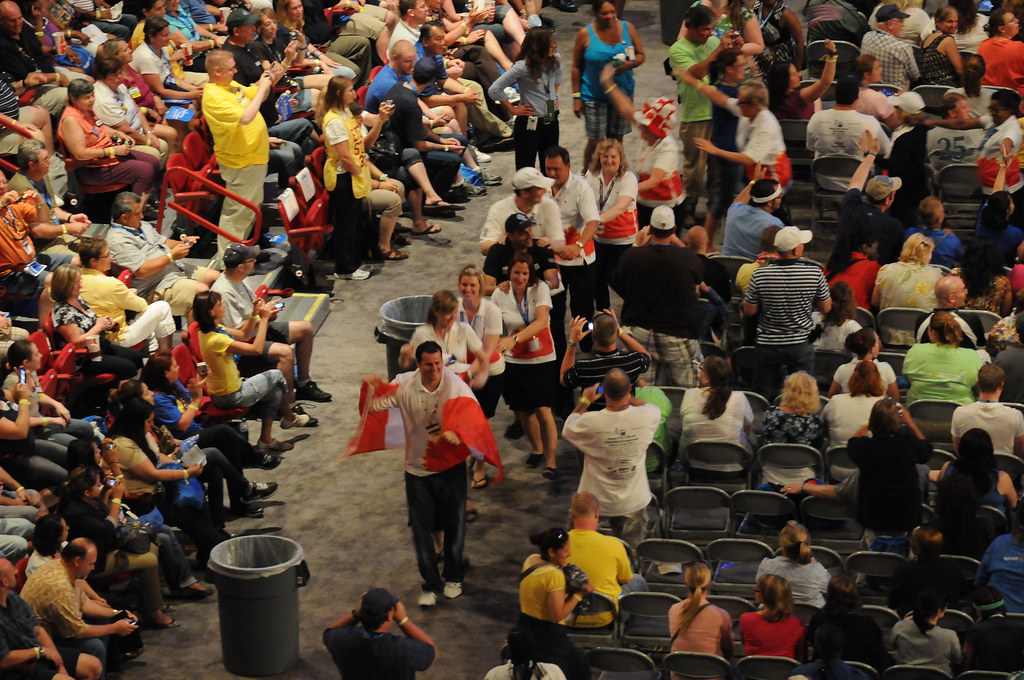
Diversity in Storytelling
The importance of diversity in entertainment cannot be overstated. In 2026, there is a noticeable shift towards narratives that embrace various cultures, backgrounds, and experiences.
Broadening Perspectives
Films, television shows, and digital content are increasingly showcasing stories from underrepresented groups. This shift not only enriches the viewing experience but also fosters a more inclusive environment where various voices can be heard. Here are some ways diversity is making an impact:
- Authentic Representation: Content creators are keen on portraying stories that resonate with audiences, ensuring authentic representation resonates with viewers.
- Collaboration Across Cultures: Collaborations between creators from different cultural backgrounds lead to fresh narratives and innovative storytelling techniques.
- Audience Engagement: Diverse storytelling invites broader audience engagement, fostering discussions that transcend cultural barriers.
Technology’s Role in Transformation
Technology continues to be a driving force in the entertainment industry, enhancing the ways stories are told and experienced. In 2026, several technological advancements are shaping the future:
Augmented Reality Experiences
Augmented reality (AR) has emerged as a prominent tool in storytelling. Here’s how it’s impacting entertainment:
- Immersive Environments: AR enables creators to design interactive experiences that immerse viewers in a story, bridging the gap between the real world and fiction.
- Physical Interaction: Audiences can engage with content in new ways, enhancing their connection and investment in the narrative.
- Educational Content: AR is being utilized in educational entertainment, making learning more engaging and interactive.
Streaming Services and Access
The rise of streaming services has revolutionized content distribution, providing access to a plethora of diverse programming:
- Global Reach: Streaming platforms are not only promoting local productions but also making international content accessible, allowing viewers to explore stories from around the globe.
- Curated Experiences: Personalized recommendations based on viewing habits help audiences discover hidden gems and diverse narratives.
- Innovation in Formats: Streaming has birthed innovative formats like interactive movies and limited series, enhancing viewer engagement.
The Shift in Audience Expectations
As the entertainment landscape adapts, so do audience expectations. Today’s viewers are more informed and engaged, desiring content that resonates on multiple levels.
Quality Over Quantity
In 2026, there is a clear trend towards prioritizing quality storytelling over sheer volume. Here’s how this shift is evident:
- Elevated Production Values: Viewers now expect high production values, resulting in more investments in cinematography, sound design, and overall artistic direction.
- Deep Character Development: Audiences are drawn to stories that feature well-developed characters with relatable journeys, further emphasizing the need for skilled storytelling.
- Engagement in Social Issues: Viewers are looking for narratives that engage with pressing social issues, reflecting their values and concerns.
The Rise of Collaborative Projects
Collaboration is becoming a cornerstone in the entertainment industry, as creators from various backgrounds come together to produce meaningful content.
Networking Opportunities
As creators collaborate, new networking opportunities arise, fostering innovation:
- Co-producing Across Borders: Global collaborations lead to unique projects that embody a blend of cultural influences.
- Mentorship Programs: Established creators are investing in nurturing new talent, ensuring diverse voices enter the industry.
- Shared Resources: Collaborative projects often pool resources, resulting in higher quality productions.
Conclusion
In conclusion, 2026 marks a transformative period in the entertainment industry, where diversity and innovation take center stage. As audiences continue to demand more inclusive and meaningful storytelling, creators are stepping up to the challenge. By embracing new technologies and fostering collaboration, the entertainment landscape is set to thrive, paving the way for a richer, more diverse future.