Walmart Associates Entertain the Crowd While Waiting for Bob Seger and the Silver Bullet Band

Unpacking the Role of AI in Shaping Entertainment Trends for 2026

The Rise of Artificial Intelligence in Entertainment

As we dive into 2026, the influence of artificial intelligence (AI) on the entertainment landscape is undeniable. From content creation to personalization of viewing experiences, AI technologies are transforming how audiences interact with their favorite films, shows, and music. This article explores the various ways AI is reshaping entertainment trends and what we can expect moving forward.

Walmart Associates Entertain the Crowd While Waiting for Bob Seger and the Silver Bullet Band
Foto: Walmart Corporate

AI-Driven Content Creation

One of the most significant impacts of AI in entertainment is its ability to streamline content creation processes. With advanced algorithms and machine learning capabilities, AI tools can analyze audience preferences, market trends, and even historical data to generate compelling content ideas. Here are some key aspects:

  • Scriptwriting Assistance: AI is now assisting screenwriters by generating plot ideas, dialogues, and character development tips, allowing for a more collaborative approach.
  • Visual Effects: AI-powered technology is revolutionizing the visual effects industry, enabling creators to produce high-quality animations and CGI more efficiently than ever before.
  • Music Composition: AI algorithms are being used to compose original music, providing artists with innovative soundscapes that enhance their work.

Personalized Viewing Experiences

AI is not only changing how content is created but also how it is consumed. The entertainment industry is leveraging AI to provide personalized experiences tailored to individual preferences. Here’s how:

  • Recommendation Systems: Streaming platforms like Netflix and Spotify utilize AI to analyze viewing habits, leading to highly personalized recommendations that keep audiences engaged.
  • Dynamic Content: AI can adapt content in real-time, altering storylines or endings based on viewer choices, thus enhancing interactivity.
  • User Engagement: Chatbots powered by AI are being integrated into platforms, providing users with instant access to information about their favorite shows or artists.

Transforming Marketing Strategies

AI is also reshaping how entertainment products are marketed. By harnessing data analytics and predictive modeling, companies can create targeted campaigns that resonate with specific audience segments: Also read: gan89 for more insights.

  • Audience Segmentation: AI tools analyze demographic and behavioral data to identify niche audiences, allowing for more effective advertising strategies.
  • Predictive Analytics: AI algorithms can forecast the success of a movie or show before its release, helping producers make informed decisions regarding marketing budgets and release schedules.

Challenges and Ethical Considerations

While the integration of AI in entertainment presents numerous benefits, it also raises important ethical questions:

  • Content Authenticity: As AI-generated content becomes more prevalent, concerns about originality and creativity arise. Are AI-generated scripts or music truly art?
  • Job Displacement: As AI continues to take on roles traditionally held by humans, the fear of job losses in creative professions looms large.
  • Data Privacy: Collecting and analyzing user data for personalization poses risks related to privacy and the ethical use of such information.

The Future of Entertainment with AI

Looking ahead, AI’s role in entertainment is set to expand further:

  • Virtual Personalities: We may see the rise of AI-generated celebrities who can perform, act, or even engage with fans, blurring the line between real and synthetic.
  • Enhanced Experiences: With continuous advancements in AI, the entertainment industry can expect more immersive experiences, such as interactive narratives that can adapt based on viewer engagement.
  • Global Reach: AI can help tailor content for various cultural contexts, making entertainment more accessible and relevant worldwide.

Conclusion

As we navigate through 2026, the influence of AI on entertainment trends is evident. While it brings innovative tools and personalized experiences to the forefront, it also necessitates ongoing discussions about ethics and the future of creative professions. As audiences, we can look forward to a continuously evolving landscape, where the line between human creativity and digital intelligence continues to blur.

'CHIJMES' from a Convent to an Entertainment Hub, Singapore

Exploring the New Wave of Interactive Storytelling in Entertainment for 2026

Introduction to Interactive Storytelling

In recent years, the entertainment industry has witnessed an exciting evolution in how stories are told, particularly with the emergence of interactive storytelling. This innovative approach engages audiences like never before, allowing them to influence narratives and immerse themselves in the experiences. As we venture deeper into 2026, the integration of technology, viewer participation, and creativity is set to redefine how we consume entertainment.

'CHIJMES' from a Convent to an Entertainment Hub, Singapore
Foto: williamcho

The Mechanics Behind Interactive Storytelling

At its core, interactive storytelling combines traditional narrative techniques with the dynamic elements of interactivity. Here are some of the essential components driving this trend:

  • Branching Narratives: These are stories that change based on the choices made by the audience. Each decision leads to different outcomes, creating a unique journey for every viewer.
  • Real-Time Feedback: Interactive platforms often provide immediate feedback based on viewer actions, making the experience more engaging and personalized.
  • Integrated Multimedia: Combining video, audio, and graphics enhances the storytelling experience, transporting viewers into the heart of the narrative.
  • Gamification: Incorporating game-like elements into stories encourages viewers to actively participate, leading to increased investment in the narrative.

Technological Innovations Fueling Interactive Narratives

Several cutting-edge technologies are propelling interactive storytelling into the mainstream:

  • Artificial Intelligence: AI can analyze viewer choices and adapt the storyline accordingly. This capability allows for a more tailored experience, responding to the unique preferences of each user.
  • Augmented Reality (AR): AR technology overlays digital content onto the real world, allowing viewers to interact with characters and settings in a more immersive way.
  • Blockchain Technology: This technology offers secure methods for content distribution and encourages user-generated content by allowing creators to monetize their contributions.

Popular Platforms Leading the Charge

As interactive storytelling grows, several platforms have emerged at the forefront: Also read: gan89 for more insights.

  • Netflix: With initiatives like interactive episodes in popular series, Netflix has successfully engaged viewers by allowing them to select plot directions.
  • video games: Games such as ‘Life is Strange’ and ‘Detroit: Become Human’ have pioneered branching narratives, showcasing the potential of interactive storytelling in gaming.
  • Virtual Reality Experiences: VR platforms like Oculus have begun offering interactive narratives where users can step into the story and influence events in real-time.

The Role of Audience Engagement

The interactivity in storytelling not only captivates audiences but also nurtures a sense of community. Here’s how viewer participation enhances the experience:

  • Community Creation: Audiences engage in discussions about their choices, leading to a vibrant community that shares experiences and ideas.
  • Fan-Driven Content: Some platforms encourage users to create and submit their storylines, enriching the narrative landscape with diverse perspectives.
  • Enhanced Loyalty: When audiences feel invested in a story, their loyalty to the platform and creators deepens, resulting in sustained viewership.

Challenges in Interactive Storytelling

Despite the benefits, interactive storytelling faces several challenges:

  • Complexity in Production: Crafting branching narratives requires extensive planning and scripting, making the production process more intricate and time-consuming.
  • Balancing Interactivity and Storytelling: It’s crucial to maintain a coherent narrative while allowing for viewer choices, which can be a delicate balance.
  • Audience Readiness: Not all viewers are accustomed to or interested in interactive formats, posing a challenge for widespread adoption.

Looking Ahead: The Future of Interactive Storytelling

As we move through 2026, the future of interactive storytelling is bright. Here are some anticipated trends:

  • Expansion Across Genres: While gaming and film have been at the forefront, expect interactive storytelling to expand into areas like literature, theater, and even education.
  • Increased Accessibility: As technology becomes more affordable, creators from various backgrounds will be able to produce interactive content, broadening the narrative spectrum.
  • Integration with Social Media: Platforms may utilize interactive storytelling to engage users on social media, creating a cross-platform narrative experience.

Conclusion: A New Era for Entertainment

The year 2026 marks a significant turning point in the evolution of entertainment, with interactive storytelling at the helm. As viewers become active participants in their experiences, the lines between creator and consumer blur, leading to a more engaging and meaningful connection to the stories we love. As technology advances and audiences embrace these new formats, the future of entertainment promises to be more collaborative and immersive than ever before.

Chinese entertainment

The Intersection of Virtual Reality and Entertainment: Transforming Experiences in 2026

The Intersection of Virtual Reality and Entertainment: Transforming Experiences in 2026

As we navigate through 2026, the entertainment industry continues to evolve, with virtual reality (VR) emerging as a transformative force. This technology is no longer just a tool for gamers; it has broadened its horizons to encompass various areas of entertainment, providing users with immersive experiences that were once the stuff of science fiction.

Chinese entertainment
Foto: Fxqf

The Growth of Virtual Reality in Entertainment

Since its inception, virtual reality has been on a trajectory of growth. Today’s advancements in hardware and software have made VR more accessible than ever. With the rise of affordable VR headsets and the proliferation of content across platforms, we can see how it is reshaping how audiences engage with entertainment.

Immersive Gaming Experiences

Gaming has always been at the forefront of VR innovation. In 2026, immersive gaming experiences are more intricate and interactive, allowing players to dive into richly developed worlds. Here are some trends within this space:

  • Cross-Platform Play: Many games now support VR alongside traditional formats, allowing players to compete with friends on different platforms.
  • Social VR Gaming: New social VR games encourage players to interact, collaborate, and build communities in virtual environments.
  • Realistic Graphics: Advances in graphics technology have led to hyper-realistic visuals, further enhancing immersion.

Virtual Reality in Film and Television

Film and television have recognized the potential of VR to engage viewers beyond traditional viewing experiences. Here’s how the industry is adapting:

  • VR Short Films: Filmmakers are creating short films specifically designed for VR, allowing audiences to experience stories from multiple perspectives.
  • Interactive Storytelling: Some films incorporate interactive elements where viewers can make choices that affect the storyline, creating a unique viewing experience each time.
  • Virtual Cinemas: The rise of virtual cinemas allows viewers to watch films in a shared virtual space, mimicking the social aspect of going to a traditional theater.

Live Events and VR Experiences

Virtual reality is also changing how audiences attend live events. Whether it’s concerts, theater performances, or sporting events, VR allows fans to experience these occasions from anywhere in the world:

  • Virtual Concerts: Artists are hosting virtual concerts that enable fans to attend live performances without leaving their homes.
  • VR Theater: The emergence of VR platforms dedicated to theatrical performances offers audiences a chance to experience plays in innovative formats.
  • Interactive Sports Viewing: Sports fans can now access VR experiences that provide behind-the-scenes views and player perspectives during games.

The Future of VR Content Creation

As technology advances, content creators are embracing VR to produce a wide array of entertainment forms. They’re focusing on:

  • Accessibility: Ensuring VR content is accessible to a broader audience, including those with disabilities.
  • Diversity in Storytelling: Highlighting various cultures and perspectives through immersive VR narratives.
  • Collaboration with Traditional Media: Collaborating with traditional media companies to produce hybrid content that utilizes VR technology.

Challenges Facing the VR Entertainment Industry

Despite its potential, the VR entertainment industry faces several challenges that need addressing:

  • High Development Costs: Producing high-quality VR content requires substantial investment, which can hinder smaller creators.
  • User Experience: Ensuring a seamless user experience across different platforms and devices remains a primary concern.
  • Content Variety: As the demand for VR content grows, so does the need for a diverse range of stories and genres to cater to varied audiences.

Conclusion

The integration of virtual reality into the entertainment sector is an exciting development for 2026. It opens up endless possibilities for creativity and audience engagement across various mediums. As we look ahead, it will be fascinating to see how creators and technologists continue to push the boundaries of what entertainment can be in the realm of virtual reality.

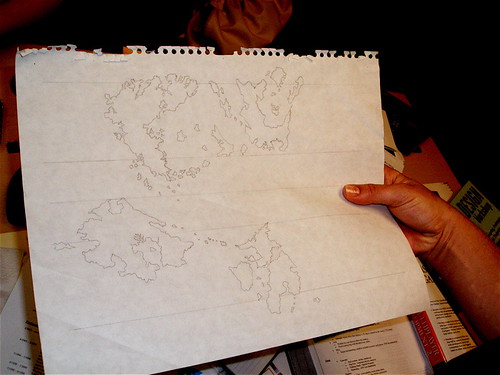
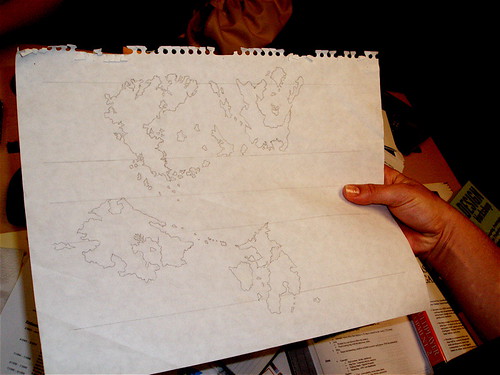
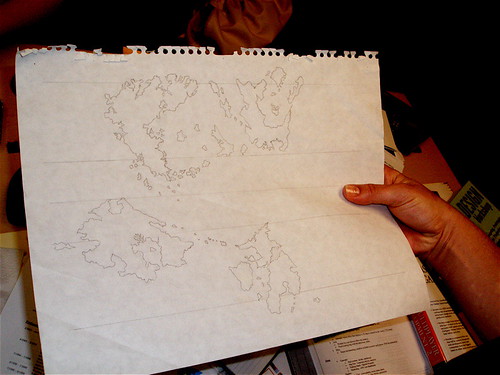
Original Ultima Online map (the game only shipped with the top-left corner), Sony Online Entertainment, San Diego

The Resurgence of Retro Entertainment: Nostalgia in the 2026 Landscape

Introduction

As we dive into 2026, the entertainment industry is experiencing a fascinating shift towards nostalgia. Consumers are increasingly gravitating towards retro themes, styles, and experiences that remind them of the past. This article explores the resurgence of vintage entertainment, examining its roots, current trends, and what the future holds.

Original Ultima Online map (the game only shipped with the top-left corner), Sony Online Entertainment, San Diego
Foto: gruntzooki

The Allure of Nostalgia

Nostalgia is a powerful emotion that can evoke fond memories and feelings of comfort. In recent years, this sentiment has found its way into various aspects of entertainment, from films and music to fashion and gaming. Here are a few reasons why nostalgia is captivating audiences in 2026:

  • Emotional Connection: Nostalgic content often resonates with audiences on a personal level, triggering happy memories and creating a sense of belonging.
  • Timeless Appeal: Classic themes and styles tend to transcend generations, making them universally appealing.
  • Escapism: In times of uncertainty, many people turn to familiar comfort zones, and retro entertainment offers just that.

Resurgence in Film and Television

One of the most significant areas where nostalgia has made a comeback is in film and television. Here’s how:

  • Reboots and Sequels: Major studios are revisiting popular franchises from the ’80s and ’90s, creating spin-offs and remakes that draw in both original fans and new audiences. Titles like “The Fresh Prince of Bel-Air” and “Friends” have successfully re-entered the cultural zeitgeist with updated storylines.
  • Retro Aesthetics: Many new shows and films are utilizing vintage visuals and soundtracks to create an authentic nostalgic experience. The blend of old and new has become a hallmark of modern storytelling.
  • Documentaries and Docuseries: There’s a growing trend in producing documentary series that delve into past cultural phenomena, such as music movements or iconic events, allowing viewers to relive significant moments in history.

The Music Industry’s Throwback Vibe

Music is another domain where nostalgia is flourishing in 2026. Vintage genres and artists are making a spectacular comeback:

  • Revival of Classic Genres: From disco to grunge, older musical styles are being reimagined by contemporary artists, leading to chart-topping hits that evoke past eras.
  • Vinyl and Retro Formats: The resurgence of vinyl records continues, with artists releasing special editions of their work. Concerts and festivals dedicated to classic genres are thriving.
  • Tribute Acts: Cover bands and tribute shows celebrating legendary artists such as Queen, Fleetwood Mac, and Nirvana are drawing large crowds, emphasizing an ongoing appreciation for musical icons.

The Role of Gaming in Nostalgic Entertainment

The gaming industry is also tapping into the nostalgia trend:

  • Classic Game Remakes: Retro video games are being remastered and re-released with modern graphics, drawing in both nostalgic players and new fans.
  • Arcade Culture: The revival of arcade bars, featuring classic games and retro gaming experiences, is becoming a popular social activity.
  • Emulation Communities: Online platforms are emerging that allow users to play retro games, creating a community around shared love for gaming history.

Fashion and Lifestyle Influences

The influence of nostalgia extends beyond media to fashion and lifestyle. Here are some notable trends:

  • Retro Fashion: Styles from previous decades, such as high-waisted jeans and platform shoes, are making a comeback in stores and online, appealing to a range of ages.
  • Home Decor: Vintage-inspired home decor items are trending, with consumers seeking to add character and warmth to their living spaces.
  • Social Media Aesthetics: Platforms like Instagram and TikTok showcase retro aesthetics, with users sharing content that celebrates the past through fashion, music, and lifestyle choices.

Looking Ahead: The Future of Nostalgia in Entertainment

As we continue through 2026, the impact of nostalgia on entertainment shows no signs of waning. Here are some potential developments to watch for:

  • Interactive Experiences: Expect to see more immersive experiences that allow audiences to engage with nostalgic themes, such as themed escape rooms or retro-themed VR experiences.
  • Cross-Generational Collaborations: Artists from different generations will continue to collaborate, blending styles and influences to create new work that pays homage to the past.
  • Augmented Reality Features: The integration of AR technology into entertainment may bring about new ways to experience nostalgic content, allowing users to interact with vintage themes in innovative formats.

Conclusion

Nostalgia is more than a fleeting trend; it is shaping the entertainment landscape of 2026 and beyond. As creators tap into the emotional power of the past, audiences are eager to relive their cherished memories while discovering new interpretations of classic themes. This ongoing resurgence ensures that nostalgia will remain an influential force in the entertainment world for years to come.

Korean Entertainer

The Digital Renaissance: The Evolution of Entertainment in 2026

Introduction to the Digital Renaissance

As we step into 2026, the landscape of entertainment is undergoing a profound transformation, likened to a digital renaissance. The integration of advanced technologies, innovative storytelling techniques, and diverse formats has redefined how we consume, interact with, and create entertainment. This article explores the latest trends shaping the entertainment industry, how audiences engage with content, and the future of creativity in this fast-paced world.

Korean Entertainer
Foto: dok1

Advancements in Virtual Reality and Augmented Reality

Virtual Reality (VR) and Augmented Reality (AR) have taken the entertainment world by storm. These technologies allow users to immerse themselves within a narrative, creating experiences that are not just watched but actively participated in.

The Rise of VR Experiences

  • Immersive Storytelling: VR enables storytellers to craft narratives where viewers can explore different angles and choices, drastically changing the storytelling technique.
  • Virtual Concerts and Events: With the rise of VR platforms, artists can host concerts where fans join from anywhere in the world, creating a unique and interactive experience.

AR in Everyday Entertainment

  • Gaming: Games like Pokémon GO have paved the way for AR, allowing players to experience the real world intertwined with digital creatures and challenges.
  • Enhanced Viewing: Television shows and movies are beginning to integrate AR elements, providing audiences with additional content by scanning QR codes or using specific apps.

New Formats and Interactive Content

The demand for interactivity has given rise to new formats that engage audiences on a deeper level. This shift is evident in various entertainment sectors, including video games, films, and streaming services.

Interactive Films and Series

Audiences are no longer passive viewers; they want to influence the story. Interactive films allow them to make decisions that change the outcome, leading to multiple viewing experiences. Platforms like Netflix have begun to invest heavily in this format, showcasing the potential for narrative flexibility.

Gamification of Content

Gamification involves integrating game mechanics into content, making it more engaging. This approach is prevalent in quiz shows, reality television, and even social media platforms, where users earn rewards for participation.

The Explosion of Multilingual and Global Content

As entertainment becomes increasingly global, the demand for multilingual and culturally diverse content has surged. In 2026, it’s not uncommon to see films, series, and music produced in various languages catering to international audiences. Also read: ajo89 for more insights.

Diverse Storytelling

  • Cultural Representation: Producers are recognizing the importance of diverse narratives, leading to richer storytelling that resonates with a broader audience.
  • Global Collaborations: Cross-border collaborations among creators are becoming the norm, allowing for a fusion of styles and perspectives that enrich the content.

The Role of Artificial Intelligence in Content Creation

Artificial Intelligence (AI) is revolutionizing how content is created and consumed in the entertainment industry. AI’s ability to analyze data and predict trends is helping creators craft content that resonates with their audiences.

Enhanced Personalization

Streaming platforms use AI algorithms to recommend personalized content based on viewers’ preferences and watching habits. This tailored approach not only enhances user experience but also drives engagement and retention.

Creative Collaboration with AI

AI tools are being used by writers and filmmakers to brainstorm ideas, generate scripts, or create visual effects, augmenting rather than replacing human creativity. This collaboration results in innovative projects that blend the best of technology and human emotion.

Responding to Environmental and Social Issues

In 2026, there’s a growing awareness of the social and environmental impact of entertainment. Content creators are increasingly addressing issues such as climate change, social justice, and mental health through their storytelling.

Eco-Conscious Productions

  • Sustainable Filmmaking: The industry is adopting greener practices, such as using renewable energy sources and minimizing waste during production.
  • Addressing Social Issues: Films and series are increasingly tackling subjects like climate action, equality, and mental health awareness, resonating with socially conscious audiences.

The Future of Entertainment: What’s Next?

As entertainment continues to evolve, it will remain vital for creators to stay ahead of trends while maintaining authenticity. The convergence of technology, creativity, and social responsibility will shape the future of this vibrant industry.

Looking Ahead

  • Embracing Change: The ability to adapt to new technologies and formats will be crucial for success.
  • Fostering Community: Building connections with audiences through shared experiences will enhance engagement.
  • Championing Diversity: Representation and inclusivity will continue to be at the forefront of content creation.

Conclusion

The entertainment industry in 2026 is a dynamic entity, constantly reshaped by technological innovations, audience desires, and cultural shifts. As we embrace this digital renaissance, the potential for creativity is limitless, offering an exciting glimpse into the future of entertainment.

Original Ultima Online map (the game only shipped with the top-left corner), Sony Online Entertainment, San Diego

The Future of Entertainment: Embracing Eco-Conscious Themes in 2026

Introduction

As we navigate through 2026, the entertainment industry is witnessing a remarkable transformation. More than ever, audiences are seeking content that resonates with their values, particularly when it comes to sustainability and eco-consciousness. This article explores how environmental themes are reshaping entertainment, influencing everything from films and television to music and theater.

Original Ultima Online map (the game only shipped with the top-left corner), Sony Online Entertainment, San Diego
Foto: gruntzooki

The Green Wave: Audience Demand for Eco-Friendly Content

In recent years, there has been a growing awareness regarding climate change and environmental issues. As a result, audiences are increasingly drawn to stories that address these themes. The shift is evident in various entertainment mediums:

  • Film: Leading filmmakers are producing documentaries and feature films that highlight environmental challenges, inspiring viewers to take action.
  • Television: Popular series are incorporating eco-friendly narratives, depicting characters who champion environmentalism and sustainability.
  • Music: Artists are using their platforms to spread awareness about climate change through lyrics and music videos that highlight relevant issues.

Films and Documentaries Leading the Charge

Documentaries have become powerful tools for education and advocacy. In 2026, several films have captured the spotlight:

  • The Last Garden: A gripping documentary that follows activists fighting to protect endangered plant species, showcasing their emotional and physical struggles.
  • 2030 Vision: A thought-provoking narrative that imagines a future world ravaged by climate change, resonating deeply with audiences concerned about where we are headed.
  • Eco-Warriors: A feature film that dramatizes the real-life stories of individuals who have made significant impacts in the environmental movement, inspiring a new generation of activists.

Television Shows Embracing Eco-Conscious Stories

Television networks are also tapping into this trend, with shows that focus on sustainability and environmental issues: Also read: https://www.singhspunjabidhaba.com/ for more insights.

  • Green Streets: A reality series that chronicles urban dwellers transforming their neighborhoods into eco-friendly spaces, blending entertainment with a meaningful message.
  • Future Earth: A scripted drama that explores the lives of scientists and activists during a climate crisis, pushing audiences to think critically about their own roles in the environment.
  • Project Rewild: A competition series that challenges participants to restore different ecosystems across the globe, educating viewers about biodiversity.

Music’s Role in Eco-Advocacy

Musicians are raising awareness of environmental issues through their artistry. In 2026, eco-themed songs have taken center stage:

  • Rise Up: A powerful anthem that encourages listeners to join the fight against climate change, gaining massive airplay and popularity.
  • Green Sound: An album featuring various artists dedicated to highlighting environmental issues, with proceeds going to conservation efforts.
  • Nature’s Symphony: A collaborative music project that incorporates sounds from nature, advocating for the protection of natural habitats.

Theater’s Embrace of Environmental Narratives

The theater scene is also reflecting this eco-conscious shift. Productions that focus on environmental themes are captivating audiences:

  • Earth Bound: A compelling play that narrates the intergenerational struggles faced by a family living on a farm impacted by climate change.
  • Voices from the Forest: An interactive theater experience that immerses audiences in the beauty and fragility of forests while educating them about deforestation.
  • Water’s Edge: A musical that tackles water scarcity and its impacts, combining entertainment with a crucial message about conservation.

The Impact of Eco-Consciousness on Celebrity Culture

In today’s entertainment landscape, celebrities are utilizing their influence to promote ecological initiatives:

  • Advocacy: Many stars are becoming vocal supporters of environmental causes, participating in campaigns and using social media to spread awareness.
  • Sustainable Choices: Celebrities are increasingly making eco-friendly lifestyle choices, from fashion to travel, setting examples for fans.
  • Collaborations: Partnerships between artists and environmental organizations have resulted in impactful campaigns that reach wide audiences.

Conclusion

The rise of eco-conscious themes in entertainment is not just a trend; it reflects a fundamental shift in societal values. As the industry evolves, creators are finding innovative ways to engage and educate audiences on pressing environmental issues. From films and television to music and theater, the future of entertainment is bright, inspiring audiences while advocating for a more sustainable planet.

Original Ultima Online map (the game only shipped with the top-left corner), Sony Online Entertainment, San Diego

The Rise of Hybrid Entertainment Models: Blending Traditional and Digital Experiences in 2026

Introduction to Hybrid Entertainment Models

As we enter the vibrant entertainment landscape of 2026, the fusion of traditional and digital experiences has given birth to what we now call hybrid entertainment models. This innovative approach has transformed how audiences engage with their favorite forms of entertainment, combining the best aspects of live events, film, and digital platforms.

Original Ultima Online map (the game only shipped with the top-left corner), Sony Online Entertainment, San Diego
Foto: gruntzooki

The Essence of Hybrid Entertainment

Hybrid entertainment encompasses a wide array of formats that allow audiences to experience content in ways that suit their preferences and lifestyles. Whether it’s a live-streamed concert featuring interactive elements, a film that extends into virtual reality, or a theater performance that utilizes augmented reality, the possibilities are endless.

Why Hybrid Models Matter

1. Accessibility: Hybrid models make entertainment accessible to a broader audience. For those unable to attend live events, streaming options ensure they don’t miss out on the excitement.

2. Engagement: By integrating interactive elements, audiences can engage with content more deeply, fostering a sense of community and participation.

3. Diverse Revenue Streams: These models allow creators and companies to explore multiple revenue channels, enhancing financial sustainability.

Examples of Hybrid Entertainment Innovations

1. Live Concerts with Interactive Streaming

In 2026, artists have embraced platforms that allow fans to attend live concerts virtually while interacting with other viewers. This has led to unique experiences where audiences can vote on setlists in real-time or participate in Q&A sessions with artists post-performance.

2. Films with Augmented Reality Components

Moviegoers can now enjoy films that extend beyond the screen. After watching a film, viewers can access AR experiences that provide additional layers of storytelling, engaging them in a narrative that continues outside the theater.

3. Interactive Theater with Audience Participation

Theater companies have begun incorporating technology to allow audience members to affect the storyline actively. Choices made by the audience can change the outcome of the performance, resulting in multiple possible endings and a more immersive experience.

Challenges of Hybrid Entertainment Models

While the rise of hybrid entertainment brings numerous advantages, it’s essential to address some challenges:

  • Technology Dependence: The success of hybrid models relies heavily on technology. Poor connectivity or platform failures can lead to frustration for both creators and audiences.
  • Content Quality: The influx of hybrid content raises concerns about quality. With so many options, standing out requires innovation and creativity.
  • Audience Fatigue: As hybrids proliferate, audiences may begin to feel overwhelmed by the choices available, making it crucial for creators to offer unique experiences that capture interest.

The Future of Hybrid Entertainment

As we move forward, hybrid entertainment models are poised to play an increasingly significant role in how we consume media. The blending of digital and traditional formats not only caters to evolving audience preferences but also presents new opportunities for creativity and innovation.

1. Personalized Experiences

With advancements in AI and data analytics, hybrid entertainment could become even more tailored to individual tastes. Imagine a concert where the setlist adapts based on viewer feedback or films that shift narrative paths according to audience choices.

2. Enhanced Community Interaction

Future hybrid models will likely focus on building communities around content. This can be achieved through platforms that promote social interaction during live streams or events, creating a sense of belonging among fans.

3. Sustainable Practices

As environmental concerns continue to gain traction, hybrid entertainment can offer sustainable solutions by reducing the carbon footprint associated with travel for large audiences, promoting virtual attendance instead.

Conclusion

The entertainment scene in 2026 is a dynamic tapestry woven from both traditional and modern threads, with hybrid models emerging as a key feature in this evolution. As audiences crave more engaging and participatory experiences, the future promises exciting developments that will continue to redefine the way we consume and enjoy entertainment.

Tunisia-4091 - Hafai great Entertainment

The Transformative Influence of Podcasts: Shaping the Entertainment Landscape in 2026

Introduction

As we move through 2026, podcasts have solidified their place as a dominant form of entertainment, revolutionizing how we consume stories and information. Whether it’s through gripping true crime narratives, educational series, or humorous banter, podcasts cater to diverse interests and preferences. This article delves into the impact of podcasts on the entertainment industry, exploring their growth, challenges, and the trends shaping their future.

Tunisia-4091 - Hafai great Entertainment
Foto: archer10 (Dennis)

The Rise of Podcasts

In just a few years, the podcasting realm has exploded, with millions of shows and episodes available on various platforms. According to recent statistics, over 600 million people globally listen to podcasts every month. This surge in popularity can be attributed to several factors:

  • Accessibility: Podcasts are easily accessible via smartphones and smart speakers, allowing listeners to engage with content anytime, anywhere.
  • Diverse Content: The wide range of genres and formats makes it easy for listeners to find something that resonates with them.
  • Community Building: Podcasts create a sense of community among listeners, fostering discussions and connections that extend beyond the episodes.

Impact on Traditional Media

Podcasts are not only a standalone medium but also influence traditional media forms such as radio and television. Here’s how:

  • Reshaping Radio: Many radio stations are integrating podcasts into their programming, experimenting with on-demand formats that cater to listener preferences.
  • Inspiring TV Adaptations: Popular podcast stories are increasingly being adapted into television series and films, bringing new narratives to wider audiences.
  • Advertising Evolution: Brands are investing heavily in podcast advertising, recognizing it as a key channel for reaching target demographics effectively.

Challenges Facing the Podcasting Industry

While the growth of podcasts is impressive, several challenges threaten long-term sustainability: Also read: wak89 for more insights.

  • Saturation of Content: With thousands of new podcasts launching daily, standing out amidst a sea of voices becomes increasingly difficult.
  • Monetization Issues: Although advertising is prevalent, many podcasters struggle with monetization, particularly independent creators who lack access to major networks.
  • Quality Control: The varying quality of content can lead to listener fatigue, making it essential for creators to maintain high standards to retain audiences.

Trends Shaping the Future of Podcasts

As we progress through 2026, several key trends are influencing the future of podcasting:

  • Interactive Content: Podcasts are evolving to include interactive elements, such as audience polls and live Q&A sessions, enhancing listener engagement.
  • Subscription Models: Many creators are shifting towards subscription-based models, offering exclusive content for paid listeners, thus creating a sustainable revenue stream.
  • Enhanced Production Quality: As competition increases, producers are investing in better sound editing, storytelling techniques, and professional voice talent to elevate their content.

Building Community Through Podcasts

One of the most significant aspects of podcasts is their ability to foster community. Podcasters often encourage listener interaction through social media, creating a feedback loop that enhances the overall experience:

  • Listener Feedback: Many shows incorporate listener stories or questions, making audiences feel more connected to the content.
  • Live Events: Podcast live shows and events have gained traction, allowing fans to engage with creators and other listeners in person.
  • Online Communities: Dedicated forums and groups for podcast fans are flourishing, providing spaces for discussion and camaraderie outside of episodes.

The Future of Podcasts in Entertainment

As we look to the future, podcasts will continue to play a pivotal role in the entertainment landscape. They will blend with other forms of media, including augmented reality (AR) and virtual reality (VR), creating immersive experiences that keep listeners engaged. Furthermore, as technology continues to advance, AI-driven podcasting tools may emerge, allowing for personalized content delivery tailored to individual preferences.

Conclusion

In summary, podcasts have become a transformative force in the entertainment industry by offering accessible, diverse, and engaging content. As they evolve, overcoming challenges and adapting to listener preferences will ensure their relevance in the coming years. Whether as a source of information, entertainment, or community, podcasts are here to stay, continuing to shape how we engage with stories and connect with one another.

Entertainment

Cinematic Experiences Reinvented: The Role of Immersive Theater in 2026

Introduction

As we navigate through 2026, the world of entertainment continues to morph into something more dynamic and engaging than ever before. One of the most exciting trends making waves is the rise of immersive theater, a form of performance art that breaks down traditional barriers between the audience and the performers. This article delves into what immersive theater is, its growth in popularity, and how it’s reshaping our experiences with storytelling.

Entertainment
Foto: matthias.ripp

What is Immersive Theater?

Immersive theater is an innovative form of performance that allows the audience to become a part of the narrative. Unlike traditional theater, where viewers passively watch from their seats, immersive theater invites participants to actively engage with the actors and the story unfolding around them.

Key Characteristics of Immersive Theater

  • Audience Participation: Attendees may interact with the characters, influencing the direction of the story.
  • Unique Venues: Performances are often held in unconventional spaces, such as warehouses, galleries, or even outdoor locations.
  • Multi-Sensory Experiences: These productions frequently incorporate elements such as music, art, and technology to create a fully immersive environment.

The Surge in Popularity

Immersive theater has gained significant traction over the past few years. As people seek more engaging and personalized experiences in a world saturated with digital content, this art form offers a refreshing alternative. In 2026, several factors contribute to its increasing popularity:

1. The Demand for Unique Experiences

Today’s audiences crave memorable adventures that go beyond typical entertainment options. Immersive theater caters to this desire by creating bespoke experiences that resonate on a personal level.

2. Technological Advances

Modern technology plays a crucial role in enhancing immersive theater. With advancements in virtual and augmented reality, producers can create captivating environments that blur the line between reality and performance.

3. Social Connectivity

As people become more socially conscious and seek connections, immersive theater encourages collaboration and interaction among audience members, making it a fantastic option for group outings.

Highlighted Productions in 2026

The immersive theater scene in 2026 is teeming with innovative productions and experiences. Here are a few noteworthy examples:

1. Past Lives

This groundbreaking production invites audience members to step into the shoes of various characters, exploring their pasts and the choices that shape their futures. Set in an abandoned factory, the performance incorporates augmented reality to enhance the storytelling.

2. Echoes of the City

Taking place in the heart of a bustling metropolis, this immersive experience transforms urban landscapes into a living narrative. Audience members follow different character arcs, intertwined throughout the city’s streets, creating a rich tapestry of storytelling that celebrates community and diversity.

3. Underworld

This thrilling production, set in a subterranean venue, allows participants to navigate a series of thrilling challenges, making choices that affect the outcome of their experience, all while integrating elements of escape room-style puzzles.

How Immersive Theater Impacts Conventional Media

As immersive theater continues to flourish, it challenges the conventions of traditional media forms. Here’s how:

1. Expanding Narrative Possibilities

Immersive theater encourages storytellers to explore narratives that might be too complex or nuanced for linear storytelling. This evolution inspires filmmakers and writers to think outside the box, resulting in new content that reflects the changing landscape of audience engagement.

2. Influencing Audience Expectations

As more people experience immersive theater, their expectations for interactive and engaging experiences in other media also heighten. This shift pushes creators across different platforms to innovate and enhance audience involvement.

3. Merging Different Art Forms

Immersive theater often combines elements from various disciplines, such as visual arts, music, and dance. This blending of mediums broadens the horizons for creative collaboration, inspiring artists from different backgrounds to join forces.

The Future of Immersive Theater

Looking ahead, immersive theater is poised for continued expansion and innovation. As technology evolves and audience tastes shift, this art form will likely explore new realms—be it through virtual reality experiences, AI-driven narratives, or even locations that span across different cities.

1. Globalization of Experiences

As immersive theater gains popularity worldwide, we can expect to see a diverse array of cultural influences shaping productions. This globalization can lead to unique cross-cultural collaborations, contributing to a richer and more varied entertainment landscape.

2. Environmental Consciousness

Many contemporary immersive theater productions are increasingly taking on themes of sustainability and environmental awareness. By integrating eco-friendly practices and messages into performances, theaters can engage audiences in critical conversations about the future of our planet.

3. Audience-Centric Design

The ongoing shift towards audience empowerment will drive immersive theater creators to prioritize audience feedback and participation in their designs, making each experience more tailored and relevant to its viewers.

Conclusion

In 2026, immersive theater is more than just a trend; it represents a profound shift in how we engage with and experience stories. By breaking down the walls that separate performer and audience, this art form is enriching the entertainment landscape, fostering connection, and inspiring creativity. As we embrace the limitless possibilities of immersive theater, one thing is clear: the future of storytelling is bold, interactive, and encourages us all to play a role in the narratives that shape our lives.

DSC_6230 Black British Entertainment Awards BBE Dec 2017 at Porchester Hall London with Jean Gasho Co Founder of BBE

The Evolution of Genres: How 2026 is Redefining Entertainment Narratives

The Changing Face of Entertainment Genres in 2026

As we navigate through 2026, the landscape of entertainment is undergoing a remarkable transformation. Genres that once defined the boundaries of storytelling are evolving, blending, and giving rise to innovative narratives that captivate audiences like never before. This article delves into the dynamic shifts in entertainment genres, exploring how these changes reflect contemporary societal values and technological advancements.

DSC_6230 Black British Entertainment Awards BBE Dec 2017 at Porchester Hall London with Jean Gasho Co Founder of BBE
Foto: photographer695

The Blending of Genres

Traditional genre definitions are becoming increasingly blurred, resulting in hybrid genres that combine elements from various styles. This evolution can be seen in:

  • Romantic Science Fiction: Films and shows that merge love stories with futuristic settings are gaining popularity, appealing to audiences’ desire for both escapism and emotional connection.
  • Horror-Comedy: The revival of horror-comedy blends thrills with laughs, offering a unique entertainment experience that resonates well with today’s viewers.
  • Fantasy Documentaries: This new genre presents fantastical narratives as if they were real, allowing audiences to engage with imaginative worlds while still grounding them in factual storytelling.

Influence of Global Narratives

As streaming platforms continue to expand their reach globally, audiences are increasingly exposed to diverse narratives. This cultural exchange enriches the entertainment landscape by introducing:

  • Cross-Cultural Collaborations: Projects that bring together creators from different backgrounds, producing unique stories that resonate on a global scale.
  • Local Stories with Global Appeal: Films that capture regional experiences while addressing universal themes are finding success in international markets.
  • Multilingual Content: The rise of multilingual productions allows audiences to experience stories in their original languages, enhancing authenticity and cultural appreciation.

Technology’s Role in Genre Evolution

The advancements in technology have profoundly impacted how stories are told and consumed. Key developments include:

  • Virtual Reality (VR): VR has transformed the way narratives are experienced, allowing audiences to immerse themselves in the story’s world, creating a participatory format that traditional genres could never offer.
  • Augmented Reality (AR): AR enhances storytelling by overlaying digital elements onto the real world, offering interactive experiences that expand the boundaries of narrative.
  • Artificial Intelligence: AI is now being used to analyze audience preferences, helping creators develop genre-blending content that caters to evolving tastes.

Audience Engagement and Viewing Habits

In 2026, viewer engagement is more interactive than ever. The rise of social viewing platforms where audiences can discuss and react to content in real time is changing how narratives are consumed:

  • Fan-driven Content: Viewers are becoming co-creators, influencing storylines and character arcs through platforms that allow user submissions, resulting in more personalized narratives.
  • Interactive Storytelling: Platforms offering interactive stories empower audiences to make choices that affect the plot’s direction, deepening emotional investment and enhancing the viewing experience.
  • Community Involvement: Fans are forming communities around their favorite genres, discussing themes and collaborating on fan art, which significantly impacts genre evolution.

The Rise of Short-Form Content

With the increasing pace of life and shorter attention spans, short-form content is gaining traction. This format is not limited to traditional narratives; it offers:

  • Micro-narratives: Stories that succinctly convey emotions and ideas in a condensed format, appealing to viewers looking for quick entertainment.
  • Snackable Content: Short clips, memes, and social media snippets deliver entertainment in a fast and engaging manner, often blending genres that cater to a diverse audience.

The Future of Genre in Entertainment

As the entertainment industry progresses through 2026, the evolution of genres will likely continue to reflect broader societal changes:

  • Inclusivity: Expect to see more stories that represent underrepresented voices and experiences, leading to a richer tapestry of narratives.
  • Environmental Themes: As global awareness of climate issues grows, narratives that incorporate sustainability and ecological concerns will become more prominent.
  • Technological Integration: As technology continues to evolve, new genres will likely emerge, reshaping the way stories are told and experienced.

Conclusion

The entertainment industry in 2026 is a vibrant, ever-evolving space where genres are no longer defined by rigid categories. The blending of styles, the influence of global narratives, advancements in technology, and shifts in audience engagement are all contributing to a rich and diverse entertainment landscape. As we move forward, the ability to adapt and innovate will determine the future of storytelling, ensuring that it remains a vital part of human experience.