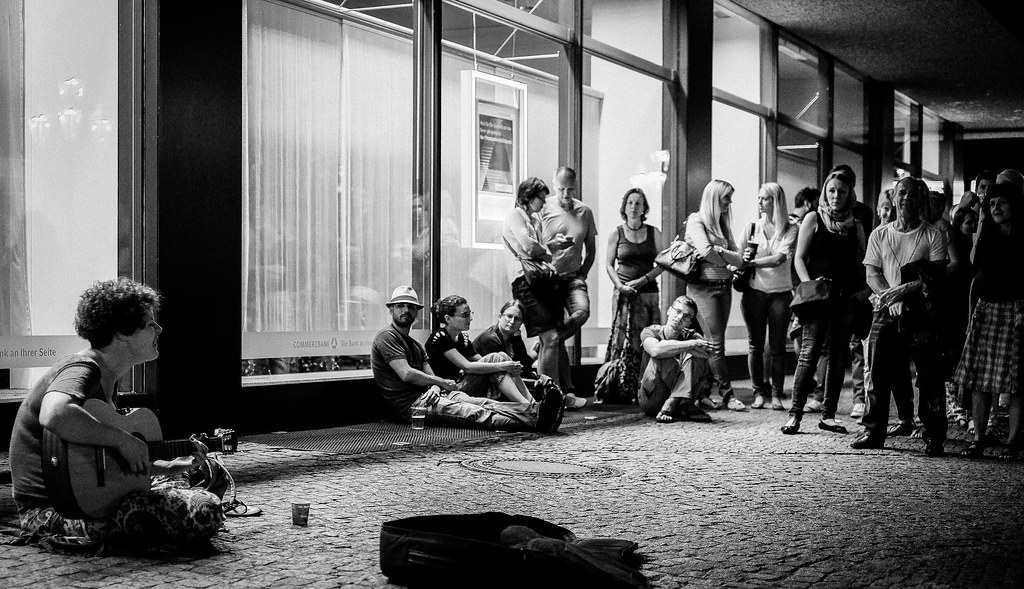
I am the entertainer...

The Impact of Social Media on Entertainment Trends in 2026

Understanding the Role of Social Media in Today’s Entertainment Landscape

As we navigate through 2026, the influence of social media on the entertainment industry has never been more pronounced. Platforms like TikTok, Instagram, and Twitter have fundamentally changed how audiences consume content, engage with creators, and form communities around their favorite shows, movies, and artists. In this article, we will explore how social media is reshaping entertainment trends and what this means for creators and consumers alike.
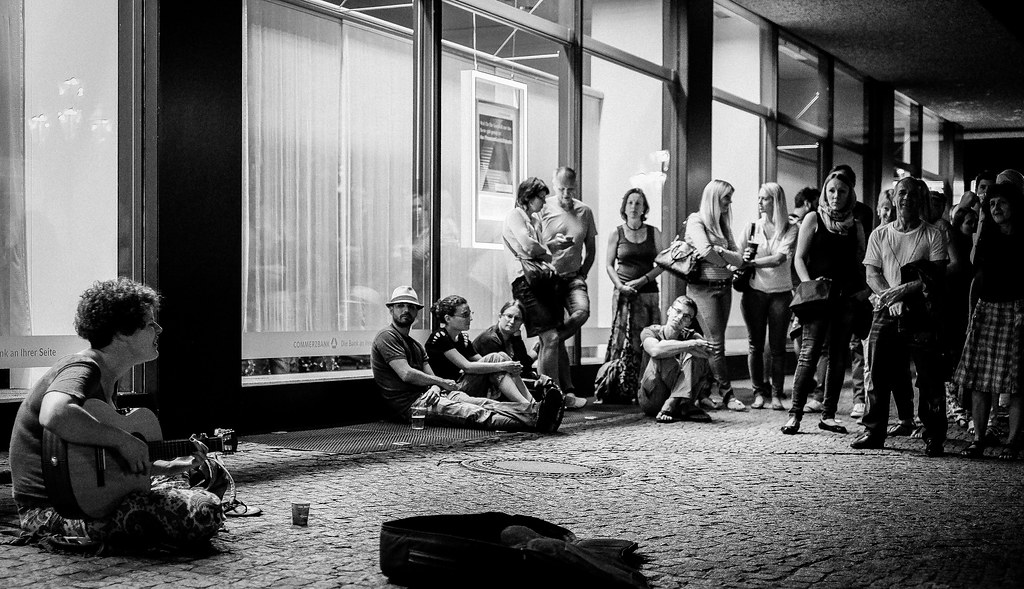
I am the entertainer...
Foto: mripp

The Rise of Viral Content

Social media is the breeding ground for viral content that can catapult unknown creators into stardom overnight. This phenomenon has led to a shift in how entertainment is marketed and consumed.

  • Short-Form Videos: Platforms like TikTok have popularized short-form videos, making it easier for creators to share snippets of their work.
  • Challenges and Trends: Viral challenges often inspire new trends in music and dance, directly impacting the entertainment landscape.
  • User Interaction: Audiences can participate in trends, not just consume them, fostering a sense of community.

Influencer Culture and Brand Partnerships

In 2026, influencer culture has reached new heights. Brands increasingly partner with influencers for campaigns that resonate with their target demographics, creating a symbiotic relationship that enhances both brand visibility and influencer credibility.

  • Authenticity: Audiences crave authentic connections. Influencers who genuinely love a product can drive higher engagement and sales.
  • Diverse Representation: Brands are focusing on diversifying their influencer partnerships to reach a broader audience.
  • Content Creation: Many influencers now create their own shows or web series, further blurring the lines between creators and traditional media.

Social Media as a Launchpad for New Talent

For aspiring entertainers, social media serves as a stage to showcase their talent without the gatekeeping traditionally associated with the industry.

  • Accessibility: Platforms allow even the most obscure talents to gather a following and attract attention from talent scouts.
  • Real-Time Feedback: Creators can receive immediate feedback from audiences, helping them refine their craft.
  • Opportunities: Many successful entertainers today cite social media as the key to their careers, leading to roles in films, music, and more.

The Changing Nature of Fan Engagement

Social media has transformed the dynamics of fan engagement, making it more interactive than ever before.

  • Direct Interaction: Fans can connect with their favorite artists or actors through comments, DMs, and live streams.
  • Fan-driven Content: The ability for fans to create content related to their interests, such as fan art or memes, enriches the cultural tapestry surrounding entertainment.
  • Community Building: Social media facilitates the formation of fandoms that transcend geographical boundaries, creating global communities.

Challenges Presented by Social Media

While social media offers numerous opportunities, it also comes with challenges that both creators and brands must address.

  • Content Overload: With countless voices vying for attention, it can be challenging to stand out.
  • Misinformation: The rapid spread of information can lead to the proliferation of rumors and misinformation about creators and projects.
  • Burnout: The pressure to constantly create content can lead to burnout among influencers and entertainers.

The Future of Entertainment in a Social Media-Driven World

As we look ahead, it’s clear that social media will continue to shape the future of the entertainment industry in profound ways. The integration of augmented reality (AR) and virtual reality (VR) experiences on social platforms is expected to take engagement to the next level, allowing fans to immerse themselves in the worlds of their favorite shows and movies.

Additionally, the rise of decentralized platforms could shift power away from traditional media companies, providing creators more control over their content and how it is monetized.

In conclusion, the intertwining of social media and entertainment is a dynamic and evolving relationship that reflects broader cultural shifts. As creators adapt to the changing landscape, audiences can look forward to more diverse, engaging, and innovative forms of entertainment that feel personal and relevant. For those involved in the entertainment industry, harnessing the power of social media will be crucial for success in this exciting era.

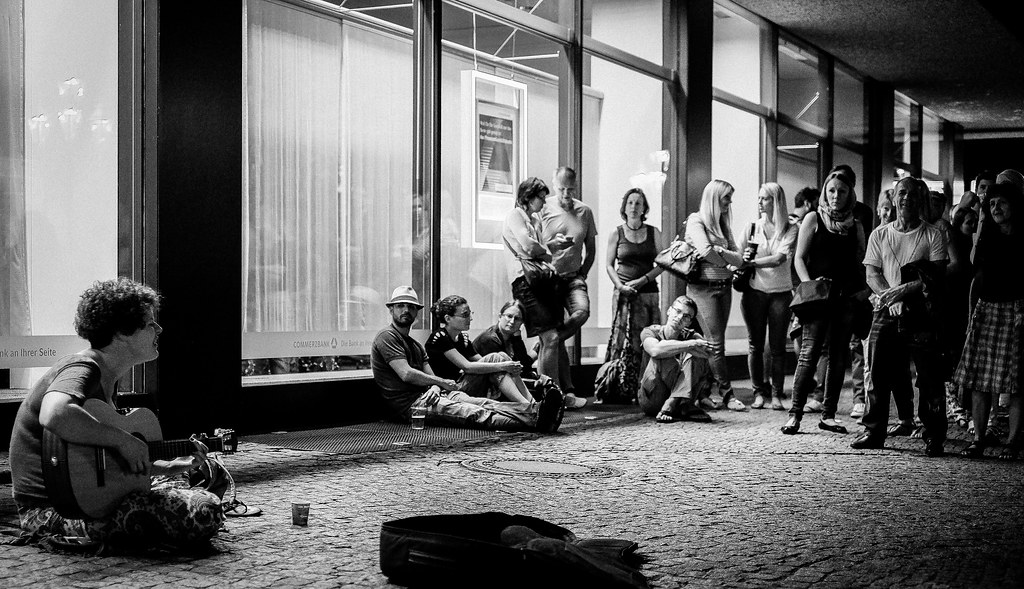
Tunisia-4091 - Hafai great Entertainment

The Rise of Community-Centric Entertainment: Trends Shaping 2026

The Shift Toward Community in Entertainment

As we navigate through 2026, a fascinating trend has emerged in the entertainment landscape: the rise of community-centric entertainment. This evolution reflects a broader cultural movement where audiences are no longer just passive consumers but active participants in the creation and enjoyment of entertainment. The shift emphasizes connection, collaboration, and collective experience, fundamentally altering how we perceive and engage with various forms of entertainment.

Tunisia-4091 - Hafai great Entertainment
Foto: archer10 (Dennis)

The Importance of Community Engagement

Community engagement has become a pivotal element in shaping the entertainment sphere. Audiences are increasingly drawn to entertainment that resonates with their lives, fostering a sense of belonging. This trend can be seen across multiple platforms, from social media to local events, where user-generated content and grassroots movements have gained significant traction.

Local Events Making a Comeback

In 2026, many communities have embraced local events as a means to strengthen ties among residents. From film festivals to pop-up art shows, these gatherings offer platforms for local creators to showcase their work while engaging the audience directly. The emphasis on locality not only supports emerging talent but also allows audiences to connect with entertainment that is culturally relevant to their community.

  • Film Festivals: Independent filmmakers have found success by premiering their works at local film festivals, creating opportunities for community discussions and feedback.
  • Art Exhibitions: Local artists are using community spaces to display their art, encouraging participation and dialogue among viewers.
  • Music Events: Community-organized concerts have seen a resurgence, allowing local musicians to perform and connect with their audience in intimate settings.

Social Media’s Role in Building Communities

Social media platforms have evolved into crucial tools for fostering community-centric entertainment. These platforms allow fans to connect over shared interests, facilitating conversations around various entertainment genres, from indie films to niche music scenes. Hashtags, livestreams, and interactive polls are just a few examples of how audiences can engage directly with content creators.

Additionally, creators are leveraging these platforms to build loyal fanbases by offering behind-the-scenes glimpses into their work, conducting Q&A sessions, and even participating in virtual meet-and-greets. This level of accessibility transforms the traditional creator-audience dynamic into a more interactive relationship.

The Impact of Community-Driven Storytelling

Community-driven storytelling has gained momentum, as creators are increasingly incorporating audience feedback into their work. This collaborative approach allows for diverse narratives that resonate with a broader audience. Successful projects often involve fans in brainstorming sessions, voting on story arcs, or even contributing directly to content creation. Also read: wak89 for more insights.

  • Fan Fiction: Platforms that encourage fan fiction have blossomed, empowering fans to expand on existing stories and create their own narratives.
  • Crowdsourced Projects: Filmmakers and writers are using crowdfunding platforms to gauge interest and finance projects, turning audiences into stakeholders.
  • Interactive Series: Some shows have adopted interactive formats that allow viewers to influence outcomes, merging traditional storytelling with participatory elements.

The Role of Streaming Services in Community-Centric Content

In 2026, streaming services have adapted to the community-centric trend by prioritizing content that reflects the values and experiences of diverse groups. These platforms are investing in original programming that showcases local talents and stories from underrepresented communities.

This not only caters to niche audiences but also fosters a sense of pride among viewers who see their lives and experiences reflected in the content they consume. Furthermore, user-generated content has been embraced by streaming giants, with dedicated channels for creators to share their work, allowing communities to rally around local talent.

The Future of Community-Centric Entertainment

Looking ahead, the emphasis on community will likely continue to shape the entertainment industry. As audiences increasingly seek authentic and relatable content, creators will need to maintain a genuine connection with their fans. This will involve engaging in ongoing dialogue, being responsive to feedback, and prioritizing transparency.

The rise of community-centric entertainment is not just a trend; it is a fundamental shift in how we experience and create art. Whether it’s through local events, social media engagement, or community-driven storytelling, the entertainment landscape of 2026 is one characterized by collaboration and connection.

Conclusion

In conclusion, the entertainment world is transforming, with community at the heart of this evolution. As we move deeper into 2026, engaging local audiences and prioritizing collective experiences will be essential for creators and industry leaders alike. Embracing this trend not only enriches the entertainment experience but also strengthens the bonds within our communities.

I am the entertainer...

Navigating the World of Celebrity Culture: Insights for 2026

The New Age of Celebrity Culture in 2026

As we step into 2026, the concept of celebrity culture has evolved dramatically, driven by technological advancements and societal changes. Gone are the days when celebrities were only defined by their on-screen performances or chart-topping albums. Today, they are multifaceted influencers shaping public opinion, social movements, and even our daily lifestyles.

I am the entertainer...
Foto: mripp

The Rise of Authenticity

In an era where transparency is valued, audiences crave authenticity from their favorite stars. Unlike previous generations, where glamor and mystique ruled, today’s consumers favor celebrities who share their vulnerabilities and real-life struggles. This shift is evident in various ways:

  • Social Media Engagement: Stars are utilizing platforms like Instagram, TikTok, and Twitter to communicate directly with their fans, sharing their daily lives and personal challenges.
  • Advocacy and Activism: Many celebrities have taken public stances on social issues, ranging from climate change to mental health advocacy, fostering a deeper connection with their audience.
  • Reality Shows and Documentaries: The success of content that provides a behind-the-scenes look into a celebrity’s life has skyrocketed, allowing fans to connect with them on a more personal level.

The Impact of Technology on Celebrity Branding

With the advancements in technology, the way celebrities build their brands has transformed. In 2026, we see:

  • Virtual Influencers: Artificial intelligence has given rise to virtual influencers who can sway public opinion and promote brands, blurring the lines between reality and fiction.
  • Enhanced Fan Interaction: Celebrities are leveraging augmented reality (AR) and virtual reality (VR) technologies to create immersive experiences, allowing fans to interact with them in unique ways.
  • Data-Driven Decisions: The use of big data analytics helps celebrities understand their audience better, enabling them to tailor their content and brand partnerships to meet fan expectations.

The Changing Landscape of Fame

Fame in 2026 is no longer synonymous with Hollywood stardom. TikTok stars, YouTube creators, and social media influencers can achieve celebrity status faster than traditional actors or musicians. This democratization of fame presents both opportunities and challenges:

  • Accessibility of Fame: Anyone with talent and charisma can become a star, but this has led to a saturation of content, making it harder for individual influencers to stand out.
  • Shorter Attention Spans: The rapid consumption of content means that today’s celebrities must consistently innovate and engage with their audience to maintain relevance.
  • Community Building: Successful celebrities are focusing more on building communities rather than just broadcasting their image, creating a loyal fanbase.

The Role of Celebrity in Social Movements

Today’s celebrities are not just entertainers; they are often seen as role models and leaders. The influence they wield in social movements is significant:

  • Awareness Campaigns: Stars are leveraging their platforms to raise awareness about various causes, resulting in increased funding and participation in social initiatives.
  • Role Model Responsibilities: Many celebrities take their role seriously, championing issues such as body positivity and mental health, aiming to inspire their followers.
  • Collaborating with NGOs: Partnerships between celebrities and non-profits are becoming more common, allowing stars to use their influence for social good.

The Future of Celebrity Culture

As we look ahead, the future of celebrity culture is bound to evolve further:

  • Increased Diversity: There will likely be a broader representation of voices and influences from various backgrounds and cultures, enriching the entertainment landscape.
  • Personal Branding Education: As more individuals aim for celebrity status, there may be a rise in educational programs focusing on personal branding and social media management.
  • Sustainability in Celebrity Culture: Celebrities are becoming more aware of their environmental impact, leading to a push for sustainable practices within their brands and public personas.

Conclusion

The world of celebrity culture in 2026 is a dynamic and exciting landscape. With authenticity, technology, and social responsibility at the forefront, today’s celebrities are more in touch with their audiences than ever before. As fans, we are witnessing a shift toward a more inclusive and responsible form of fame, one that prioritizes real connections and societal impact. The evolution continues, promising an intriguing future for both celebrities and their dedicated fans.

Margate - The Turner Gallery Opening - Apr 2011 - Childrens Entertainer

Exploring the Shift in Entertainment Consumption: Trends and Insights for 2026

Understanding the Current Landscape of Entertainment Consumption

As we traverse through 2026, it’s evident that the way we consume entertainment has undergone significant transformations. From streaming platforms dominating the scene to the rise of niche genres, the entertainment sector is constantly evolving. This article delves deep into the latest trends shaping entertainment consumption and the implications for creators and consumers alike.

Margate - The Turner Gallery Opening - Apr 2011 - Childrens Entertainer
Foto: Gareth1953 All Right Now

1. The Surge of Niche Streaming Services

The rise of mainstream streaming giants has paved the way for the emergence of niche platforms that cater to specific audiences. In 2026, viewers are increasingly gravitating towards platforms that provide specialized content that aligns with their unique interests.

  • Documentaries and Educational Content: Services focusing on documentaries and educational content have seen a significant uptick in subscriptions, as more people seek to enrich their knowledge and understanding of the world.
  • Independent Films: Independent film streaming services are thriving, offering a platform for filmmakers to showcase their creative visions while providing audiences with fresh stories that diverge from Hollywood norms.
  • Localized Content: Many regional streaming platforms have emerged, offering localized content that resonates with specific cultural backgrounds, making entertainment more accessible and relatable.

2. Interactive and Immersive Experiences

The way we interact with content has also shifted dramatically. The integration of interactive elements into entertainment experiences has redefined consumer expectations.

  • Choose Your Own Adventure: Interactive narratives, where viewers can make choices that affect the storyline, have gained popularity. This format not only enhances engagement but also allows for multiple viewing experiences.
  • Virtual Events: As a result of the pandemic, virtual events have become commonplace. However, in 2026, they have evolved into fully immersive experiences, utilizing advanced technologies to create engaging and interactive environments for audiences.

3. The Role of Social Media in Shaping Entertainment

Social media continues to play a pivotal role in shaping entertainment consumption patterns. In 2026, the relationship between content creators and audiences has become more intertwined than ever. Also read: https://langbiangfoodtruck.com/ for more insights.

  • Influencer Collaborations: Influencers are not just brand ambassadors; they are shaping narratives and influencing production decisions across various entertainment forms, from films to music.
  • Community Engagement: Fans actively participate in discussions surrounding their favorite shows and genres, with platforms enabling real-time feedback, allowing creators to adjust content based on audience preferences.

4. The Era of Personalized Content

In 2026, personalization is at the forefront of entertainment consumption. AI-driven algorithms analyze viewer preferences and behavior to deliver tailored content recommendations.

  • Customized Playlists: Whether it’s music, movies, or shows, platforms are now offering customized playlists that curate selections based on individual tastes.
  • Dynamic Storytelling: With advancements in technology, dynamic storytelling is gaining traction. This allows narratives to adapt to individual viewer preferences, creating unique experiences for each person.

5. The Influence of Globalization on Entertainment

Globalization has had a profound impact on entertainment consumption, allowing audiences to access content from different cultures and backgrounds.

  • Cross-Cultural Collaborations: Collaborations among creators from different parts of the world are becoming more common, leading to diverse storytelling that reflects a broader range of experiences.
  • Increased Exposure: Global streaming platforms provide exposure to international films and series, enabling audiences to explore and appreciate diverse narratives.

6. Navigating the Future: What Lies Ahead

Looking ahead, several trends seem poised to further shape entertainment consumption:

  • Artificial Intelligence: Continued advancements in AI technology will likely lead to even more personalized content experiences, enhancing user satisfaction.
  • Environmental Consciousness: As more consumers become aware of sustainability issues, there will be a growing demand for eco-friendly production practices in the entertainment industry.
  • Hybrid Models: Expect to see more hybrid models that combine virtual and physical experiences in entertainment events, catering to a wider audience and enhancing engagement.

Conclusion

As we navigate through 2026, the landscape of entertainment consumption is marked by innovation, creativity, and connectivity. By understanding these trends, creators can better tailor their content to meet the evolving needs of audiences, ensuring that entertainment continues to resonate and inspire.

'CHIJMES' from a Convent to an Entertainment Hub, Singapore

The Evolving Landscape of Streaming: What Entertainment Looks Like in 2026

Introduction

The entertainment landscape is continually shifting, and by 2026, we find ourselves in the middle of a streaming revolution. As more viewers migrate from traditional television to on-demand streaming platforms, the way we consume content has transformed dramatically. In this article, we’ll dive deep into the current trends in streaming, how platforms are adapting to meet audience demands, and what the future holds for viewers and creators alike.

'CHIJMES' from a Convent to an Entertainment Hub, Singapore
Foto: williamcho

The Rise of Niche Streaming Services

As the streaming market becomes saturated with competitors, niche streaming services have started to gain prominence. Rather than trying to appeal to every demographic, these platforms cater to specific interests, offering tailored content that resonates with particular audiences.

Examples of Niche Platforms

  • Documentary-Only Services: Platforms exclusively dedicated to documentaries are increasingly popular. They attract viewers who are passionate about unsung stories and in-depth reporting.
  • Anime Streaming: Services focusing solely on anime have flourished, appealing to a dedicated fan base that demands both classic and contemporary titles.
  • Indie Films: Platforms that prioritize independent filmmakers provide an opportunity for fresh voices and original storytelling, often overlooked by mainstream services.

Personalization and AI-Driven Recommendations

With the integration of advanced algorithms and AI technology, streaming services are now able to offer personalized viewing experiences. By analyzing user behavior and preferences, these platforms can recommend content that viewers are likely to enjoy, enhancing viewer satisfaction.

Benefits of Personalization

  • Improved User Experience: Personalization means viewers spend less time scrolling through content and more time enjoying movies and shows aligned with their tastes.
  • Increased Engagement: Tailored recommendations keep viewers engaged, reducing churn rates and creating loyal subscribers who feel understood by their streaming service.
  • Curated Content: Users can discover hidden gems they may not have found otherwise, broadening their entertainment horizons.

Interactive and Community Features

In 2026, streaming services are going beyond passive viewing experiences. Platforms are integrating interactive features that allow viewers to engage with content in new ways. These features encourage community building and interactivity among users. Also read: wak89 for more insights.

Notable Interactive Features

  • Watch Parties: Many platforms now offer the ability to watch content simultaneously with friends, regardless of physical location, fostering a shared viewing experience.
  • Real-Time Polling: Some shows incorporate live polling where viewers can influence story outcomes, making them feel like they are part of the narrative.
  • Commentary and Chat: Viewers can engage in discussions during live streams or while watching recorded content, enhancing their connection to the community and the show.

The Impact of Globalization on Content

The rise of international streaming services has made it easier than ever for viewers to access content from around the world. In 2026, globalization has shifted the types of stories being told, allowing for a diverse array of cultural narratives to reach broader audiences.

Benefits of Global Content Access

  • Diversity of Stories: Viewers can explore different cultures and perspectives, enriching their understanding of the world.
  • Collaboration Across Borders: The entertainment industry is seeing increased collaboration between filmmakers and creators from different countries, resulting in innovative storytelling methods.
  • Language Accessibility: With the rise of subtitles and dubbing, it’s easier for viewers to enjoy foreign content without language barriers.

The Future of Live Streaming and Events

Live streaming has evolved dramatically, especially since the pandemic. In 2026, it remains a significant part of the entertainment landscape, with platforms hosting a variety of live events, from concerts to gaming tournaments.

Trends in Live Streaming

  • Hybrid Events: Expect to see more hybrid events that combine in-person and online experiences, allowing a global audience to participate in real-time.
  • E-Sports Growth: The e-sports industry continues to flourish, with live tournaments attracting millions of viewers and major sponsorships.
  • Interactive Concerts: Artists are leveraging streaming to create interactive concert experiences, where fans can engage via chat and voting.

Conclusion

The streaming revolution is just beginning, and as we move through 2026, the entertainment landscape will continue to evolve. Niche services, personalized content, and interactive features are transforming how viewers engage with media. As globalization enhances our access to diverse narratives, there’s no telling what the future holds. One thing is for sure: the way we experience entertainment will never be the same again.

The various props from the Avatar series at Lightstorm Entertainment

The Intersection of Gaming and Film: How 2026 is Redefining Storytelling

The Intersection of Gaming and Film: How 2026 is Redefining Storytelling

As we navigate through 2026, the boundaries between gaming and film continue to blur, creating an exciting landscape for storytelling. This convergence is not merely a trend; it represents a significant evolution in how narratives are crafted and consumed, making it a pivotal moment in the entertainment industry.

The various props from the Avatar series at Lightstorm Entertainment
Foto: jurvetson

The Rise of Transmedia Storytelling

Transmedia storytelling has emerged as a powerful approach, blending video games, films, and interactive experiences into a cohesive narrative. This multifaceted technique invites audiences to engage with the story across various platforms, enhancing the overall experience.

  • Example: The “Galactic Odyssey” Franchise – With a sprawling universe that spans a blockbuster movie, an expansive online game, and a series of short films, audiences can immerse themselves in this world from multiple angles.

This approach not only enriches the storytelling but also deepens audience involvement, fostering a community of fans engaged in various aspects of the narrative.

Interactive Films: The Future of Cinema

Another exciting development is the rise of interactive films, where viewers can influence the storyline through their choices. This format allows for a more personalized experience, enabling viewers to engage with the content actively.

  • Notable Release: “Choose Your Path: Apocalypse Now” – This interactive film allows viewers to make decisions that impact the outcome of the story, resulting in multiple endings and replayability.

With streaming platforms increasingly investing in interactive content, we can anticipate more innovative projects that challenge traditional storytelling methods and invite viewer participation.

Game Development Influencing Film Production

The influence of game design principles on film production is another noteworthy trend. Filmmakers are adopting techniques from game development to create more dynamic and visually stunning narratives.

  • Visual Effects Innovations – Advanced CGI and motion capture techniques used in gaming are now commonplace in films, allowing for more realistic effects and immersive worlds.

This synergy not only elevates the visual storytelling but also enhances the emotional impact of the narratives, creating a more engaging experience for the audience.

Collaborative Projects Between Game Studios and Filmmakers

Collaboration between game studios and filmmakers has become increasingly common, leading to successful adaptations and original projects that resonate with both gaming and film audiences.

  • Example: “The Last Guardian Saga” – An upcoming cinematic adaptation of the beloved video game promises to capture the essence of the original while introducing new narrative elements.

This collaboration ensures that adaptations remain true to their source material while also appealing to wider audiences through the cinematic form.

Audience Engagement through Gaming Mechanics

Filmmakers are also exploring ways to incorporate gaming mechanics into film to enhance audience engagement. Incorporating elements like rewards, challenges, and collectibles can make the viewing experience more interactive and fun.

  • Case Study: “Mystery Cinema Nights” – This unique event combines mystery films with interactive challenges, allowing audiences to solve puzzles during the screening.

Such innovations are forging new paths for audience participation, transforming passive viewing into an engaging and participatory experience.

The Influence of Streaming Platforms

Streaming platforms have played a crucial role in facilitating this intersection between gaming and film. As they expand their content offerings, they are increasingly investing in original interactive films and series.

  • Example: Netflix’s “Interactive Tales” – This initiative showcases a range of interactive films and series, catering to the growing demand for immersive storytelling experiences.

With platforms like Netflix leading the charge, this trend is likely to influence how stories are told in future cinematic releases.

Final Thoughts: A New Era of Storytelling

The convergence of gaming and film in 2026 represents a transformative phase in entertainment. Through transmedia storytelling, interactive films, and collaborations between game developers and filmmakers, audiences are experiencing narratives like never before.

As technology continues to evolve, we can expect even more innovative approaches to storytelling that redefine the boundaries of entertainment. The future is bright, and the possibilities are limitless.

Tunisia-4091 - Hafai great Entertainment

Embracing the Power of Live Events: The Resurgence of Concerts and Festivals in 2026

Introduction: The Return of Live Entertainment

As the world continues to move towards normalcy in 2026, live events have experienced an unprecedented resurgence. After a hiatus forced by the pandemic, audiences are flocking back to concerts, festivals, and live performances, eager for the collective joy that comes from shared experiences. This article explores the evolution of live entertainment, the current trends shaping the industry, and what audiences can expect in the near future.

Tunisia-4091 - Hafai great Entertainment
Foto: archer10 (Dennis)

The Evolution of Live Entertainment

Live entertainment has always held a special place in the hearts of audiences. However, in recent years, it has undergone significant transformations, adopting new technologies and responding to shifting consumer preferences. Here are some key factors contributing to this evolution:

  • Integration of Technology: Increased use of streaming technology has allowed artists to reach global audiences while enhancing live performances with augmented reality (AR) elements.
  • Safety and Comfort: Post-pandemic, venues have adjusted to include better health protocols, including outdoor events and innovative spacing arrangements.
  • Sustainability Efforts: More events are focusing on eco-friendly practices, such as zero-waste initiatives and carbon offset programs, appealing to environmentally conscious consumers.

Current Trends in Live Events

In 2026, several trends are shaping the landscape of live entertainment:

1. Hybrid Events

One of the most significant shifts has been the rise of hybrid events, combining in-person attendance with virtual options. This approach allows for a broader audience reach while accommodating those who prefer attending from home.

2. Experiential Engagement

Live events are now designed to be immersive experiences. From interactive art installations to pop-up performances, organizers are focusing on creating memorable experiences that engage all senses. Also read: https://valleynailsandspa.com/ for more insights.

3. Local Talent Spotlighting

With the growth of community-focused events, there is a notable trend toward showcasing local artists and performers. This not only supports local talent but also fosters a sense of community among attendees.

4. NFT Integration

As digital assets gain popularity, many live events are incorporating NFTs for tickets and exclusive content, allowing fans to own a piece of their favorite experiences.

Iconic Festivals and Concerts to Look Forward To

As we progress through 2026, some iconic festivals and concerts have garnered immense attention:

  • Coachella 2026: Known for its diverse lineup, Coachella has embraced sustainability and is showcasing a mix of renowned and up-and-coming artists.
  • Glastonbury Festival: With a focus on inclusivity, Glastonbury 2026 is expected to feature artists from varied genres and backgrounds, uniting audiences from all walks of life.
  • The Rise of Regional Festivals: Festivals like the Southern Roots Music Festival and Northeast Indie Fest are gaining traction, highlighting regional talent and fostering local communities.

The Future of Live Events

Looking ahead, the future of live entertainment appears bright. Here are a few predictions for what we can expect:

  • More Personalized Experiences: Technology will likely enable even greater personalization in live events, allowing attendees to tailor their experiences according to preferences.
  • Global Collaborations: We can expect more cross-cultural collaborations as artists from different backgrounds come together, breaking down borders and sharing unique narratives.
  • Enhanced Accessibility: With ongoing efforts to make live events more accessible to individuals with disabilities, inclusivity will remain a priority.

Conclusion: Celebrating Together Again

The resurgence of live events in 2026 symbolizes a collective return to celebration, joy, and connectedness. With new trends and transformations shaping the industry, audiences can anticipate an exciting array of experiences that not only entertain but also foster community and inclusivity. As we embrace the present and look forward to the future, the power of live entertainment continues to unite us all.

Margate - The Turner Gallery Opening - Apr 2011 - Childrens Entertainer

The Future of Film: How AI is Revolutionizing the Entertainment Industry in 2026

The AI Revolution in Entertainment

As we move through 2026, it’s clear that artificial intelligence (AI) is no longer just a futuristic concept but a tangible force reshaping the entertainment landscape. From production to distribution, AI-driven technologies are streamlining processes, enhancing creativity, and changing how audiences interact with content.

Margate - The Turner Gallery Opening - Apr 2011 - Childrens Entertainer
Foto: Gareth1953 All Right Now

Transforming Film Production

In the world of film, AI is becoming an indispensable tool. Here are some notable ways it’s making waves:

  • Scriptwriting: AI algorithms are now capable of analyzing vast amounts of data to predict audience preferences. This capability allows studios to develop scripts that resonate more deeply with viewers, based on successful story arcs and popular themes.
  • Casting Decisions: AI systems can analyze actors’ past performances, audience demographics, and box office trends to recommend casting choices that might maximize a film’s successful reception.
  • Visual Effects: With advanced AI, visual effects have reached new heights. AI can generate realistic imagery faster and more efficiently, significantly reducing production timelines and costs.

Enhancing Post-Production

The post-production stage has also evolved due to AI technologies:

  • Editing: AI-powered editing software can automatically cut down hours of footage into highlights and compelling narratives, helping editors focus on storytelling instead of mundane tasks.
  • Sound Editing: AI tools can enhance sound quality, eliminating background noise and optimizing audio effects, ensuring a seamless viewing experience.

Distribution and Marketing Innovations

AI’s influence extends to how films are marketed and distributed: Also read: ajo89 for more insights.

  • Targeted Marketing: AI systems analyze viewer data to create personalized marketing campaigns, ensuring that trailers and advertisements reach the right audience segments.
  • Optimizing Release Strategies: By analyzing box office trends, competitive releases, and social media engagement, AI helps studios choose the ideal release dates that maximize visibility and profitability.

Interactive and Personalized Experiences

One of the most exciting developments in entertainment is the rise of personalized content experiences:

  • AI-Powered Recommendations: Streaming platforms utilize AI algorithms to curate personalized viewing experiences, suggesting films and shows based on user preferences and viewing history.
  • Interactive Films: Some productions are leveraging AI to offer viewers interactive storylines where they can influence the plot’s direction, making each viewing experience unique.

The Ethical Considerations of AI in Entertainment

While the advancements brought by AI are impressive, they raise ethical questions that the industry must address:

  • Job Displacement: As AI takes over more roles in filmmaking, there’s growing concern about job security for many creative professionals.
  • Creative Integrity: With machines capable of generating content, debates over authorship and the essence of human creativity are taking center stage.

Conclusion: Embracing the Future

The integration of AI in the entertainment industry heralds a new era of creativity, efficiency, and audience engagement. As we embrace these changes in 2026, the challenge will be to find a balance between technology and the human touch that defines storytelling. The journey ahead promises to be exciting, filled with endless possibilities that could redefine our entertainment experiences.

The various props from the Avatar series at Lightstorm Entertainment

The Future of Entertainment: How User-Generated Content is Shaping the Industry in 2026

The Rise of User-Generated Content in Entertainment

As we dive deeper into 2026, the entertainment industry continues to evolve at a remarkable pace. One of the most significant trends emerging this year is the surge in user-generated content (UGC). With social media platforms and digital tools becoming increasingly accessible, audiences are no longer just passive consumers; they are active participants in the creation and sharing of entertainment.

The various props from the Avatar series at Lightstorm Entertainment
Foto: jurvetson

What is User-Generated Content?

User-generated content refers to any form of content created by users of a particular platform, rather than by the brand or business itself. This can include videos, blog posts, music, artwork, and more. In 2026, UGC is not merely supplemental; it has become a cornerstone of the entertainment landscape.

The Popularity of Short-Form Content

Platforms like TikTok, Instagram, and YouTube Shorts have propelled the popularity of short-form content to new heights. This format caters to the shrinking attention spans of viewers while encouraging creativity and spontaneity. As a result, we see so many viral trends, challenges, and memes originating from user-generated content that captivate large audiences and even influence mainstream media.

Impact on Traditional Media

2026 marks a noticeable shift as traditional media companies begin to embrace UGC as a legitimate source of entertainment. Many studios are now sourcing content from everyday creators, integrating popular UGC into their marketing campaigns, and even collaborating with influencers to produce original series and films.

Key Benefits of User-Generated Content:

  • Authenticity: Audiences often relate more to content created by peers rather than polished, professional productions.
  • Cost-Effectiveness: UGC can significantly reduce production costs for companies while allowing for fresh and diverse perspectives.
  • Increased Engagement: Brands that promote user-generated content tend to have higher engagement rates, as audiences feel more connected and invested.

The Role of Technology in UGC

The rise of user-generated content is closely tied to advancements in technology. With smartphones equipped with high-quality cameras and powerful editing software available at our fingertips, anyone can become a content creator. Additionally, AI-driven tools help users enhance their content, making it easier to create visually appealing and engaging pieces.

Furthermore, blockchain technology is beginning to play a role in the ownership and monetization of UGC. Creators can now securely register their work, ensuring they receive credit and potentially compensation for their contributions.

Challenges of User-Generated Content

Despite its numerous advantages, UGC does come with its challenges. Issues of copyright infringement, misinformation, and quality control are prevalent. As audiences navigate a sea of content, distinguishing credible sources and original ideas can be difficult.

  • Copyright Concerns: The risk of creators unintentionally using copyrighted material remains a significant barrier.
  • Misinformation: The rapid dissemination of information can lead to the spread of false narratives or harmful content.
  • Quality vs. Quantity: With an overwhelming amount of content available, it can be challenging for high-quality contributions to stand out.

User-Generated Content in Different Entertainment Sectors

Various sectors of entertainment are adopting UGC in innovative ways:

  • Film and Television: Some projects are now incorporating fan-submitted story ideas or casting choices through online contests and platforms.
  • Music: Musicians are frequently inviting fans to remix their songs or create music videos, fostering a sense of community and collaboration.
  • Gaming: Game developers are including UGC in their titles, allowing players to create maps, characters, and stories that others can enjoy.

Looking Ahead: The Future of User-Generated Content

As we move through 2026 and beyond, user-generated content is expected to become even more integral to the entertainment industry. The potential for creators to monetize their work through sponsorships, merchandise, and crowdfunding will likely inspire even more individuals to participate.

Moreover, as audiences continue to seek authentic and relatable content, traditional entertainment companies must adapt by embracing UGC within their strategies. The future may even see the establishment of platforms specifically designed to promote and reward user-generated contributions in a more structured way.

Conclusion

User-generated content is not merely a trend; it is a transformational shift in how entertainment is created, consumed, and shared. In 2026, as barriers between creators and audiences continue to blur, we can expect to see an even richer tapestry of content that reflects the diverse voices and experiences of individuals around the world. Embracing this evolution will allow the entertainment industry to thrive in the years to come.

I am the entertainer...

The Eclectic Tapestry of Entertainment: How 2026 is Redefining Audience Experiences

The Evolution of Entertainment in 2026

As we navigate through 2026, the entertainment landscape has undergone remarkable transformations. From the rise of micro-content to immersive experiences, audiences are craving more diverse and engaging content than ever before. This year marks a pivotal point where creators are not just storytellers but also cultural curators.

I am the entertainer...
Foto: mripp

The Shift Towards Micro-Content

In a world dominated by fast-paced consumption, micro-content has emerged as a powerful player in entertainment. This form of content, which includes short videos, memes, and social media snippets, caters to the dwindling attention spans of viewers.

  • Brevity is Key: Platforms such as TikTok and Instagram Reels lead the charge, offering quick entertainment that can be consumed on-the-go.
  • Universal Appeal: Micro-content often transcends linguistic barriers, appealing to global audiences without the need for extensive subtitles or translations.

Immersive Experiences: Beyond the Screen

Entertainment in 2026 is not limited to traditional media. Instead, it has expanded to include immersive experiences that integrate various sensory elements.

  • Escape Rooms and Interactive Theaters: These venues offer audiences a chance to participate actively, transcending passive viewing.
  • Hybrid Events: Live concerts, exhibitions, and movie screenings that utilize augmented reality (AR) have become increasingly popular, providing a multi-dimensional experience.

Streaming Services and the Shift to Original Content

The streaming wars have intensified in 2026, with platforms racing to create original content that captures viewer attention. Major players are investing heavily in unique storytelling.

  • Quality Over Quantity: The focus has shifted from simply amassing a large library of content to producing high-quality, compelling narratives.
  • Diverse Genres: There has been a notable rise in niche genres, appealing to specific audiences and catering to their interests.

Community-Centric Platforms

In 2026, platforms that foster community engagement are thriving. Creators and audiences are forming tighter bonds, resulting in a more personalized entertainment experience.

  • Fan Engagement: Platforms like Discord allow creators to interact with their fans in real-time, creating dedicated communities around their content.
  • Collaborative Efforts: Crowdsourced projects and participatory storytelling have become mainstream, empowering audiences to contribute to the narratives they love.

The Role of Social Media in Shaping Trends

Social media continues to play a crucial role in shaping entertainment trends. Influencers and content creators leverage their platforms to introduce fresh ideas and concepts.

  • Trending Challenges: Viral challenges often dictate the content that gets produced, pushing creators to innovate and stay relevant.
  • Real-Time Feedback: Audience interaction allows for immediate feedback, helping creators refine their work based on viewer preferences.

Ethical Considerations in Entertainment

As the industry grows, so does the emphasis on ethical storytelling. 2026 has seen a push towards more inclusive and responsible content creation.

  • Diverse Voices: An increased focus on representation ensures that various perspectives are highlighted in mainstream narratives.
  • Responsible Storytelling: Content creators are becoming more conscious of the messages they convey, aiming to promote positive change within society.

The Future of Entertainment: Embracing Change

As we look towards the future, the entertainment industry is poised to continue evolving. With advances in technology and shifts in audience behavior, it’s clear that adaptability will be key for creators and distributors alike.

  • AI in Content Creation: Artificial intelligence is playing a role in content creation and curation, helping tailor experiences to individual tastes.
  • Environmental Sustainability: The industry is increasingly focusing on sustainable practices, from production to distribution, in response to global climate concerns.

Conclusion

2026 is shaping up to be a revolutionary year for the entertainment industry, redefining how we consume and engage with content. As old paradigms shift and new trends emerge, the possibilities for storytelling are limitless. Whether through micro-content, immersive experiences, or community engagement, the eclectic tapestry of entertainment continues to grow, inviting audiences to be a part of its evolution.