Not long ago, loving a show, a band, or a game meant waiting. Waiting for a renewal announcement, waiting for a trailer, waiting for some executive in a boardroom to decide whether the thing you cared about lived or died. In 2026, that power dynamic has quietly flipped. The most influential voices in entertainment increasingly belong to the people holding the phones, running the Discord servers, and organizing the hashtag campaigns — and the industry is finally structuring itself around that reality.
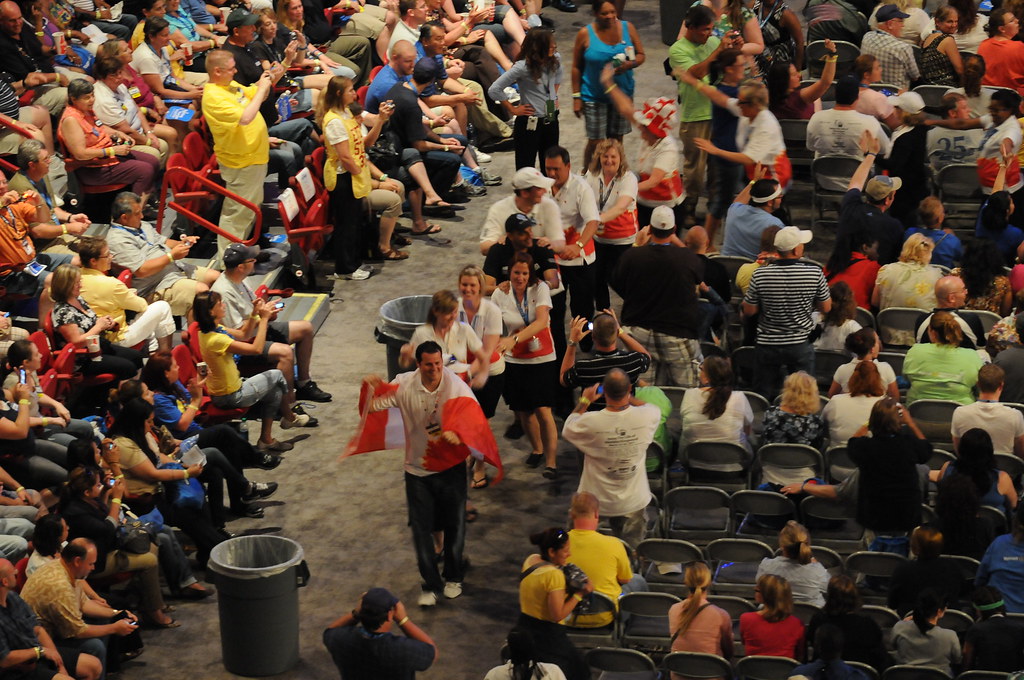
Fandom has always had clout, but something changed over the past couple of years. Fan energy stopped being a byproduct of entertainment and started becoming an input. Studios, labels, and streamers no longer just market to communities; they consult them, co-create with them, and sometimes answer to them. Here is how the audience got a seat at the table — and what that means for the future of the things we love.
The Year the Audience Got a Seat at the Table
Walk into a development meeting at a major streamer today and you will likely find a slide that did not exist five years ago: community sentiment mapping. Before a pilot gets ordered or a sequel gets greenlit, teams now review what fandoms are actually saying — not just how many people watched, but what they clipped, quoted, and argued about online.
Studios have hired community strategists whose entire job is translating fan discourse into creative decisions. Writers’ rooms monitor subreddit theories, sometimes to subvert them and sometimes to honor them. Directors drop into fan spaces for unfiltered Q&As that would have been unthinkable a decade ago. The wall between creator and audience has not disappeared, but it has become a two-way mirror.
The result is a development pipeline where passion is measurable. A property with a smaller but fiercely organized fanbase can now outcompete a bigger title with passive viewership, because engagement predicts longevity — and longevity is what subscriptions are built on.
Crowdfunding Grew Up
Fan funding used to be treated as a novelty — a charming way for a canceled show to film a wrap-up movie. In 2026, it is a legitimate financing strategy. The playbook written by projects like Critical Role’s animated series, which turned a record-breaking fan campaign into a multi-season streaming deal, has been studied and refined across the industry.
What changed is the purpose. Creators increasingly launch campaigns not because they need every dollar, but because a funded campaign is proof of audience — a negotiating asset they can carry into meetings with distributors and platforms. A community that puts its own money down is the strongest pitch deck imaginable.
The model has spread well beyond TV. Independent musicians fund tours city by city based on where fans pledge. Game studios open early access to their communities and treat backers as design partners. Authors serialize novels directly to paying readers before a publisher ever gets involved. The gatekeepers are still there, but fans learned they can simply build their own gate.
Social Listening Is the New Ratings System
Overnight ratings once decided the fate of television. Today, the metrics that matter look very different, and most of them are generated by fans themselves:
- Clip velocity — how fast fan-made edits and reaction videos spread in the first 48 hours after release
- Save and share rates — whether people keep a moment, not just scroll past it
- Community growth — new members joining servers, subreddits, and fan forums week over week
- Fancam volume — the unofficial but closely watched index of character and performer popularity
- Sentiment curves — not just positive or negative, but the shape of the conversation over time
Marketing teams have also embraced what fans call the meme-to-marketing pipeline. A fan joke that catches fire on a Tuesday can appear — officially sanctioned — in a brand’s own channels by Friday. Fan translators and localizers, once treated as a legal nuisance, are now courted as partners who open entire regional markets. The line between audience and unpaid marketing department has never been blurrier, and fans are increasingly aware of their own leverage.
Fandom as Social Infrastructure
Perhaps the most underrated shift of 2026 is what fandom does for the fans themselves. In an era when loneliness is a genuine public health concern, fan communities have become one of the few places where strangers reliably form real friendships around shared enthusiasm.
Convention attendance has climbed steadily, but the more interesting growth is smaller and local: neighborhood watch clubs, community screenings, listening parties for album drops, and fan-organized meetups that have nothing to do with any official brand. Entertainment companies have noticed, and the smart ones are supporting these gatherings rather than trying to own them. They understand something essential — the community is the product’s life support system, and it survives long after the credits roll.
The Downside: When the Tail Wags the Dog
None of this is purely a feel-good story. Empowering fandoms has a shadow side, and 2026 has delivered plenty of reminders.
Review bombing remains a weapon of choice for coordinated groups angry about casting choices, plot decisions, or perceived slights. Creative teams describe the pressure of design by committee — the fear that listening too closely to the loudest voices produces bland, fanservice-heavy work that pleases no one for long. Performers and writers still face harassment campaigns dressed up as criticism, and studios are still learning where listening ends and capitulating begins.
There is also a subtler risk: nostalgia gravity. When fan demand drives greenlights, the safest bets are revivals, sequels, and expanded universes of things people already love. Original ideas without a built-in community can struggle to be heard. The industry’s challenge for the rest of the decade is using fan passion as fuel without letting it become a cage.
What This Means If You Love Something
The practical takeaway is simple: your engagement counts in a way it never did before. Streaming a show matters, but so does talking about it, clipping it, and showing up for it. Fandoms that organize thoughtfully — supporting creators, welcoming newcomers, and pushing back on toxicity from within — genuinely shape what gets made next.
For creators, the lesson runs parallel. The artists thriving in 2026 are the ones who built community before they needed it, treating early fans as collaborators rather than customers. Authenticity is the currency here, and audiences have finely tuned detectors for anything that smells like a corporate cosplay of fan culture.
Entertainment has always been a conversation, but for most of its history only one side had a microphone. That era is over. The fans are not just watching anymore — they are in the writers’ room, the financing meeting, and the marketing plan. The only question left is what they will ask for next.