It happened quietly, somewhere between the awards-season headlines and the endless franchise announcements: one of the most-watched streaming releases of 2026 features a supporting actress who has never drawn a breath. She has no publicist, no trailer on set, no morning routine to document for social media. She was built, trained, and rendered — and audiences stayed through the credits anyway.
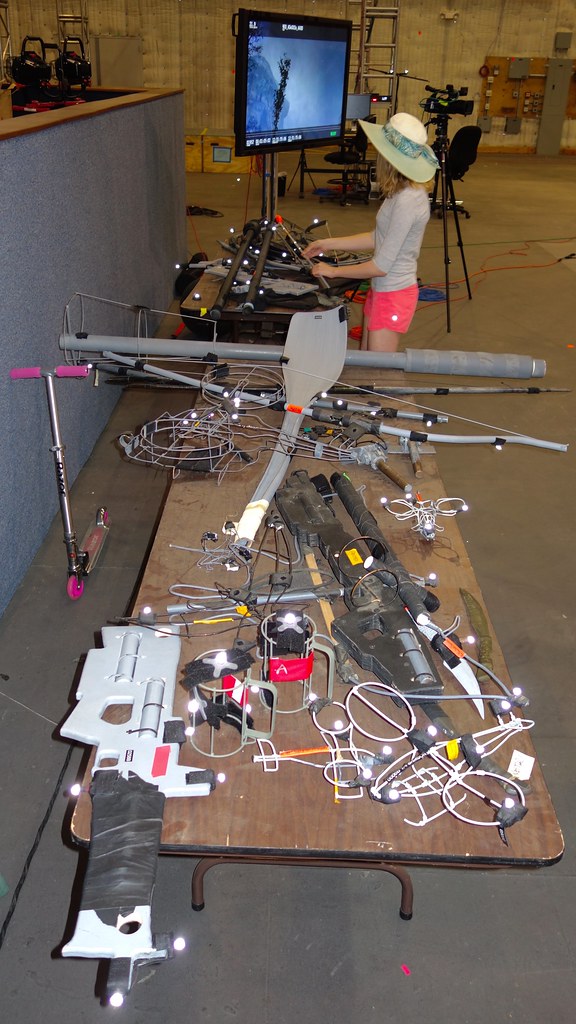
Two years ago, synthetic performers were a curiosity. Today they are a line item in production budgets, a negotiating point in union contracts, and a genuine fault line running through the entertainment business. Whether you find that thrilling or unsettling probably depends on where you sit in the industry — but pretending it isn’t happening stopped being an option a while ago. Here’s a clear-eyed look at where AI performers actually stand in September 2026, minus the hype and the panic.
From Tech Demo to Opening Credits
The road here was shorter than most people expected. Virtual influencers like Lil Miquela proved back in the late 2010s that audiences would follow a digital person with a compelling enough feed. The deepfake era proved the technology could be convincing — and alarming. Then came the turning point: between 2024 and 2025, AI-generated characters started landing real screen roles, virtual pop acts began charting in multiple countries, and the first synthetic-actress controversies dominated the trade press.
By 2026, the novelty phase is over. Fully digital performers now appear in supporting film roles, anchor global advertising campaigns, host talk segments, and front music projects with tens of millions of monthly listeners. The technology has crossed the uncanny valley often enough that most viewers can’t reliably spot a synthetic performer in a polished production — a fact that excites studios and unnerves just about everyone else.
Why Studios Are Leaning In
The motivations aren’t mysterious, and they aren’t purely about replacing people. They come down to money, logistics, and global reach — the three pressures defining nearly every greenlight decision this year.
The economics are hard to ignore
A synthetic performer doesn’t age, doesn’t have scheduling conflicts, doesn’t need reshoots negotiated around another project, and doesn’t command an eight-figure salary. For productions drowning in cost pressure — and most are, in the post-peak-TV era — that’s a compelling spreadsheet column. Digital characters can also be adjusted after filming wraps: a line reading softened, a scene reblocked, a performance localized, all without calling anyone back to set.
Localization became the killer app
The less obvious driver is global distribution. AI tools now let studios re-render a performance for different languages with convincing lip sync and culturally tuned delivery, turning one shoot into a dozen native-feeling releases on day one. For an industry that makes most of its growth outside English-speaking markets, that capability may ultimately matter more than any single digital star.
Do Audiences Actually Care?
Here’s the uncomfortable truth for both sides of the debate: viewers are inconsistent. Surveys through 2025 and 2026 keep showing the same pattern. Ask people directly and a majority say they prefer human performers. Show them a film without telling them, and most can’t tell the difference — and many don’t mind once they find out, as long as the story worked.
A few trends stand out:
- Age is the biggest divider. Gen Z and Gen Alpha viewers, raised on VTubers and game-engine characters, treat the real-versus-digital question as mostly irrelevant. Older audiences remain far more skeptical.
- Transparency builds trust. Projects that disclose synthetic performers up front face loud criticism online but rarely suffer at the ticket window. Projects that hide it and get caught tend to suffer both.
- Humanity is becoming a marketing asset. Expect more films advertised as made with an all-human cast, the way restaurants advertise ingredients. Authenticity now carries a premium.
The Rulebook Is Being Written in Real Time
The legal ground under all of this is new, and it’s still shifting. The performers’ union agreements that followed the 2023 strikes established the core principle — consent and compensation for digital replicas — and subsequent negotiations have only tightened those terms. Studios generally can’t scan a background actor once and reuse that likeness forever without paying for it, and deploying a deceased performer’s image typically requires estate approval and careful handling.
Regulators have joined in. The European Union’s AI transparency rules, fully applicable in 2026, require clear labeling of AI-generated content, and several other major markets have adopted similar disclosure requirements for synthetic media. The practical effect: the era of quietly slipping a digital performer into a cast list is closing. The industry is moving toward a world where audiences are told, plainly, who — or what — they’re watching.
What Human Actors Are Actually Doing
The doom narrative says actors are being replaced. The reality in 2026 is stranger and more negotiated:
- Licensing their likenesses. Some performers now earn income by licensing digital doubles for background work, stunt reference, or projects they’d never physically have time for. It’s passive income with a face on it, and agents have built entire practice areas around the contracts.
- Hybrid performances. A growing share of roles blend human and machine — an actor’s voice and motion driving a digitally rendered character that would be impossible to play in prosthetics or makeup.
- Leaning into the live advantage. Theater, touring, conventions, and live events are booming partly because they’re un-fakeable. Being physically present has quietly become a career strategy, not just a preference.
The Weird Middle Ground Nobody Predicted
The most interesting productions of 2026 aren’t all-human or all-AI — they’re hybrid. Human leads surrounded by synthetic supporting casts. Legacy performers appearing with estate consent in carefully negotiated roles. Films where the human star shot for six weeks and a consented digital double handled six more. Critics argue about where a performance ends and a render begins, and honestly, so do the people making them.
There’s also a category emerging that barely has a name yet: interactive entertainment where AI-driven characters respond to individual viewers, blurring the line between film and game. It’s early, it’s clunky in places, and it points directly at where the next five years are headed.
What Comes Next
Reasonable predictions for the near future: a synthetic performer will be submitted for a major acting award before 2028, triggering the loudest industry argument since the streaming wars. Digital-likeness licensing will become a standard contract clause, as routine as residuals. And the definition of performance itself will keep stretching until audiences — not activists or executives — decide where it snaps back.
The one safe bet is that technology won’t settle this debate; taste will. Viewers have never rewarded novelty for long. They reward stories that make them feel something, delivered by performers — of whatever kind — who make those stories believable. Synthetic stars can absolutely deliver a scene. Whether they can deliver a career, a legacy, a body of work people return to for decades? That’s the audition still in progress, and all of us are in the casting room.