For the better part of a decade, entertainment’s fiercest battles were fought over the couch. Whose app had the deepest catalog. Whose algorithm kept you watching one more episode. Whose subscription you’d cancel last when the credit card bill arrived. But somewhere along the way, the industry’s center of gravity quietly shifted back out the front door.
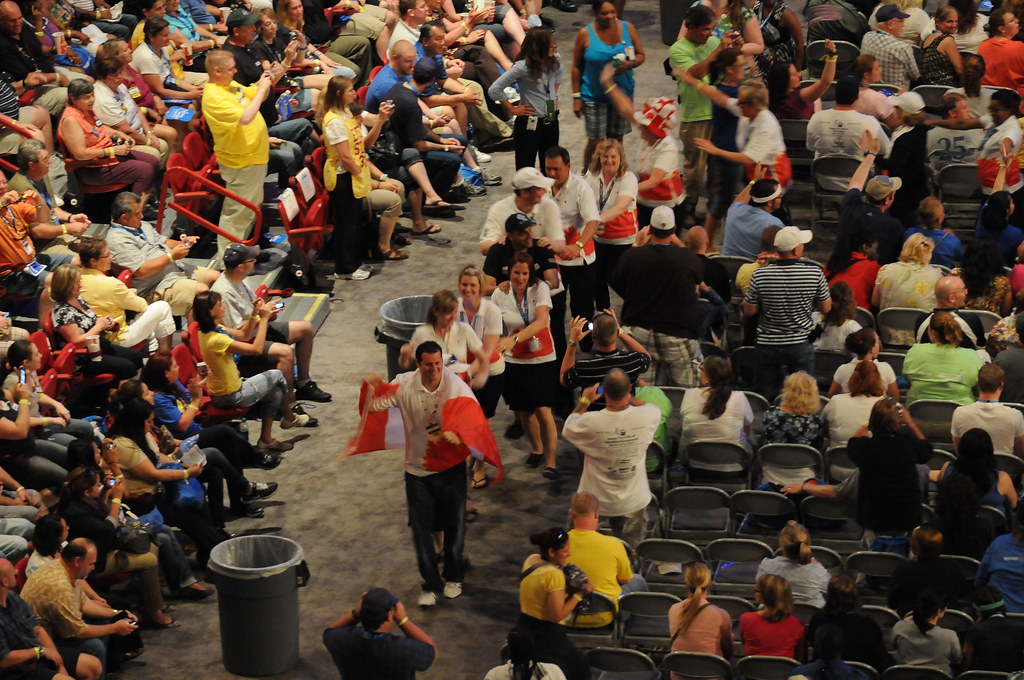
In 2026, the most valuable currency in entertainment isn’t screen time — it’s presence. Concert grosses have broken records three years running. Movie theaters, written off during the streaming wars, are selling out screenings that behave more like house parties. Purpose-built immersive venues are rising on multiple continents, and even the biggest streaming platforms are pouring billions into live programming that vanishes the moment it ends. Call it entertainment’s great night out.
Streaming Won the Last Decade. Presence Is Winning This One.
None of this means streaming is collapsing. It’s still the default way most people watch most things. But the growth story has stalled: subscription prices keep climbing, password crackdowns have run their course, and churn is the industry’s permanent headache. Audiences are tired of the endless scroll — that familiar half-hour spent browsing thumbnails before giving up entirely.
A live experience solves problems streaming created. It can’t be paused, skimmed at 1.5x speed, spoiled by a thumbnail, or endlessly replicated by an algorithm. Scarcity, of all things, has become the premium product. A ticket that exists for one night only carries a weight that a title buried in a carousel never will. Being able to say you were there is the one flex no content library can copy.
Event Cinema Turned Theaters Back Into Destinations
The seeds were planted in late 2023, when concert films from Taylor Swift and Beyoncé turned multiplexes into de facto stadiums, complete with dancing in the aisles and friendship bracelets traded between strangers. The industry treated it as a fluke. Then 2025 arrived and made the pattern impossible to ignore.
A Minecraft Movie became a communal happening when the so-called chicken jockey screenings went viral, with audiences shouting lines and theaters leaning in rather than fighting it. Months later, sing-along screenings of KPop Demon Hunters topped the weekend box office — for a film that had already been available on streaming for weeks. That detail matters. People didn’t pay for access. They paid for each other.
The Sing-Along Is Now a Release Strategy
In 2026, distributors no longer treat participatory screenings as happy accidents. Animated musicals and crowd-pleasing mid-budget films are being engineered from the script stage for call-and-response moments. Studios release standard and sing-along versions simultaneously. Some chains sell prop bags and costume-friendly showtimes. Theaters themselves have become multi-purpose venues, hosting live podcast tapings, stand-up specials, esports watch parties, and premiere events with cast appearances beamed in via satellite. The building stopped being a screen with seats and started being a stage.
Immersive Venues Grew Up Fast
A few years ago, immersive entertainment mostly meant a projection-mapped room devoted to a long-dead painter. That era feels quaint now. Sphere in Las Vegas proved that a purpose-built venue could become the attraction itself, with residencies designed around its wraparound visuals, and sister venues have since been announced for other cities. London’s ABBA Voyage — a concert performed by digital avatars of the band — is still selling out years after opening, defying every prediction that it was a novelty act.
By 2026, the category has matured into narrative-driven productions that blend live performers, spatial audio, moving sets, and environmental effects. Location-based entertainment, once a rounding error owned by theme parks, is now a serious line item for studios and music companies looking for revenue that doesn’t depend on streaming economics.
Even the Streamers Are Chasing You-Had-to-Be-There
The most telling sign of the shift is coming from the platforms that killed appointment viewing in the first place. Netflix spent 2024 and 2025 stacking its slate with live boxing, NFL Christmas games, the weekly arrival of WWE Raw, and live comedy events — and it hasn’t slowed down in 2026. Rivals have followed, bidding up live sports rights and experimenting with real-time reality finales and interactive broadcasts.
The logic is blunt: live is the last genre that still assembles a mass audience at the same moment. That simultaneity is gold for advertisers, and it generates the kind of next-morning conversation that binge drops rarely sustain. The binge model isn’t dead, but it’s no longer the crown jewel. The crown jewel is a Thursday night when millions of people are watching the same thing, together, right now.
The Psychology of the Crowd
There’s a human layer underneath the balance sheets. Sociologists have long described collective effervescence — the emotional charge people get from experiencing something in unison. Laughter lands harder in a packed room. A chorus sung by ten thousand strangers lodges in memory in a way headphones never manage. After years of frictionless, solitary convenience, a little friction turned out to be the point: the tickets, the travel, the line outside. The effort is part of the reward, and the memory is the souvenir.
It also explains why the trend skews young. The generations raised on on-demand everything are the ones most eager to spend on moments that feel unrepeatable — and most likely to document them, feeding the cycle.
What This Shift Means If You Make or Market Entertainment
- Design for participation, not just consumption. Whether it’s a film, an album rollout, or a tour, build in moments the audience completes — a lyric, a chant, a ritual.
- Launch like an event, not a drop. Premieres with live components, limited windows, and real-world activations outperform silent uploads.
- Take mid-size markets seriously. Fans outside the usual five cities are driving sellouts for tours, immersive shows, and theater events alike.
- Build the hybrid layer. Livestreams of live events, companion content, and post-show digital extras extend one night into weeks of engagement.
- Creators: the tour is the new upload. Podcasters, comedians, and online personalities are finding that sold-out rooms build deeper loyalty than any algorithm ever handed them.
The Night Out Isn’t a Fad
To be clear, the couch isn’t going anywhere. Weeknight streaming, background comfort rewatches, and solo gaming sessions remain the backbone of everyday entertainment. What’s changed is the balance. The back half of this decade will belong to companies that treat at-home and in-person as one ecosystem — where the series builds the fandom, and the fandom fills the arena.
In 2026, the hottest seat in entertainment isn’t the couch. It’s the one next to a stranger who’s about to sing the same song as you.