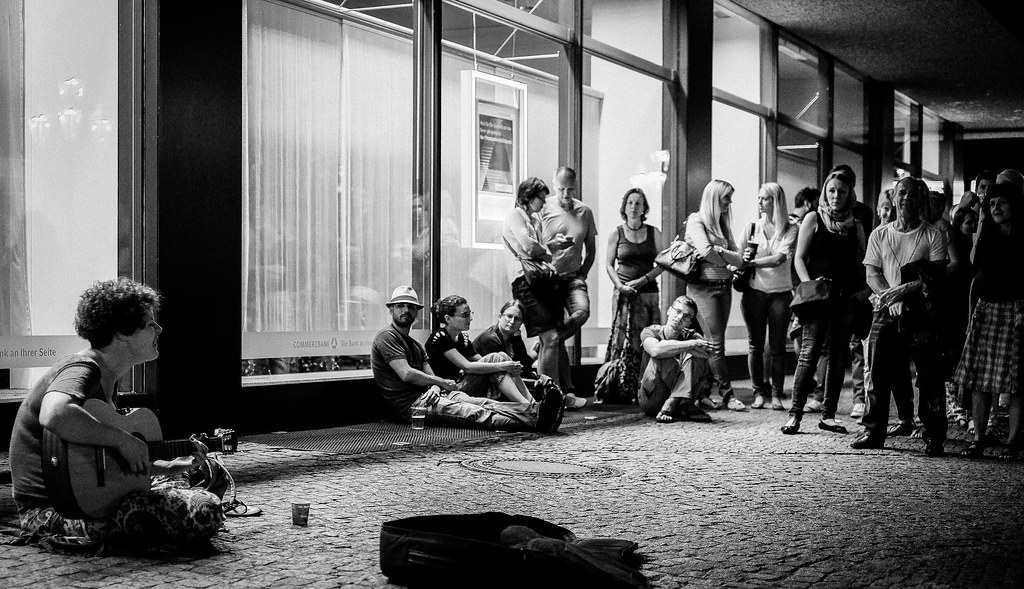
Margate - The Turner Gallery Opening - Apr 2011 - Childrens Entertainer

The Future of Film: How AI is Revolutionizing the Entertainment Industry in 2026

The AI Revolution in Entertainment

As we move through 2026, it’s clear that artificial intelligence (AI) is no longer just a futuristic concept but a tangible force reshaping the entertainment landscape. From production to distribution, AI-driven technologies are streamlining processes, enhancing creativity, and changing how audiences interact with content.

Margate - The Turner Gallery Opening - Apr 2011 - Childrens Entertainer
Foto: Gareth1953 All Right Now

Transforming Film Production

In the world of film, AI is becoming an indispensable tool. Here are some notable ways it’s making waves:

  • Scriptwriting: AI algorithms are now capable of analyzing vast amounts of data to predict audience preferences. This capability allows studios to develop scripts that resonate more deeply with viewers, based on successful story arcs and popular themes.
  • Casting Decisions: AI systems can analyze actors’ past performances, audience demographics, and box office trends to recommend casting choices that might maximize a film’s successful reception.
  • Visual Effects: With advanced AI, visual effects have reached new heights. AI can generate realistic imagery faster and more efficiently, significantly reducing production timelines and costs.

Enhancing Post-Production

The post-production stage has also evolved due to AI technologies:

  • Editing: AI-powered editing software can automatically cut down hours of footage into highlights and compelling narratives, helping editors focus on storytelling instead of mundane tasks.
  • Sound Editing: AI tools can enhance sound quality, eliminating background noise and optimizing audio effects, ensuring a seamless viewing experience.

Distribution and Marketing Innovations

AI’s influence extends to how films are marketed and distributed: Also read: ajo89 for more insights.

  • Targeted Marketing: AI systems analyze viewer data to create personalized marketing campaigns, ensuring that trailers and advertisements reach the right audience segments.
  • Optimizing Release Strategies: By analyzing box office trends, competitive releases, and social media engagement, AI helps studios choose the ideal release dates that maximize visibility and profitability.

Interactive and Personalized Experiences

One of the most exciting developments in entertainment is the rise of personalized content experiences:

  • AI-Powered Recommendations: Streaming platforms utilize AI algorithms to curate personalized viewing experiences, suggesting films and shows based on user preferences and viewing history.
  • Interactive Films: Some productions are leveraging AI to offer viewers interactive storylines where they can influence the plot’s direction, making each viewing experience unique.

The Ethical Considerations of AI in Entertainment

While the advancements brought by AI are impressive, they raise ethical questions that the industry must address:

  • Job Displacement: As AI takes over more roles in filmmaking, there’s growing concern about job security for many creative professionals.
  • Creative Integrity: With machines capable of generating content, debates over authorship and the essence of human creativity are taking center stage.

Conclusion: Embracing the Future

The integration of AI in the entertainment industry heralds a new era of creativity, efficiency, and audience engagement. As we embrace these changes in 2026, the challenge will be to find a balance between technology and the human touch that defines storytelling. The journey ahead promises to be exciting, filled with endless possibilities that could redefine our entertainment experiences.

The various props from the Avatar series at Lightstorm Entertainment

The Future of Entertainment: How User-Generated Content is Shaping the Industry in 2026

The Rise of User-Generated Content in Entertainment

As we dive deeper into 2026, the entertainment industry continues to evolve at a remarkable pace. One of the most significant trends emerging this year is the surge in user-generated content (UGC). With social media platforms and digital tools becoming increasingly accessible, audiences are no longer just passive consumers; they are active participants in the creation and sharing of entertainment.

The various props from the Avatar series at Lightstorm Entertainment
Foto: jurvetson

What is User-Generated Content?

User-generated content refers to any form of content created by users of a particular platform, rather than by the brand or business itself. This can include videos, blog posts, music, artwork, and more. In 2026, UGC is not merely supplemental; it has become a cornerstone of the entertainment landscape.

The Popularity of Short-Form Content

Platforms like TikTok, Instagram, and YouTube Shorts have propelled the popularity of short-form content to new heights. This format caters to the shrinking attention spans of viewers while encouraging creativity and spontaneity. As a result, we see so many viral trends, challenges, and memes originating from user-generated content that captivate large audiences and even influence mainstream media.

Impact on Traditional Media

2026 marks a noticeable shift as traditional media companies begin to embrace UGC as a legitimate source of entertainment. Many studios are now sourcing content from everyday creators, integrating popular UGC into their marketing campaigns, and even collaborating with influencers to produce original series and films.

Key Benefits of User-Generated Content:

  • Authenticity: Audiences often relate more to content created by peers rather than polished, professional productions.
  • Cost-Effectiveness: UGC can significantly reduce production costs for companies while allowing for fresh and diverse perspectives.
  • Increased Engagement: Brands that promote user-generated content tend to have higher engagement rates, as audiences feel more connected and invested.

The Role of Technology in UGC

The rise of user-generated content is closely tied to advancements in technology. With smartphones equipped with high-quality cameras and powerful editing software available at our fingertips, anyone can become a content creator. Additionally, AI-driven tools help users enhance their content, making it easier to create visually appealing and engaging pieces.

Furthermore, blockchain technology is beginning to play a role in the ownership and monetization of UGC. Creators can now securely register their work, ensuring they receive credit and potentially compensation for their contributions.

Challenges of User-Generated Content

Despite its numerous advantages, UGC does come with its challenges. Issues of copyright infringement, misinformation, and quality control are prevalent. As audiences navigate a sea of content, distinguishing credible sources and original ideas can be difficult.

  • Copyright Concerns: The risk of creators unintentionally using copyrighted material remains a significant barrier.
  • Misinformation: The rapid dissemination of information can lead to the spread of false narratives or harmful content.
  • Quality vs. Quantity: With an overwhelming amount of content available, it can be challenging for high-quality contributions to stand out.

User-Generated Content in Different Entertainment Sectors

Various sectors of entertainment are adopting UGC in innovative ways:

  • Film and Television: Some projects are now incorporating fan-submitted story ideas or casting choices through online contests and platforms.
  • Music: Musicians are frequently inviting fans to remix their songs or create music videos, fostering a sense of community and collaboration.
  • Gaming: Game developers are including UGC in their titles, allowing players to create maps, characters, and stories that others can enjoy.

Looking Ahead: The Future of User-Generated Content

As we move through 2026 and beyond, user-generated content is expected to become even more integral to the entertainment industry. The potential for creators to monetize their work through sponsorships, merchandise, and crowdfunding will likely inspire even more individuals to participate.

Moreover, as audiences continue to seek authentic and relatable content, traditional entertainment companies must adapt by embracing UGC within their strategies. The future may even see the establishment of platforms specifically designed to promote and reward user-generated contributions in a more structured way.

Conclusion

User-generated content is not merely a trend; it is a transformational shift in how entertainment is created, consumed, and shared. In 2026, as barriers between creators and audiences continue to blur, we can expect to see an even richer tapestry of content that reflects the diverse voices and experiences of individuals around the world. Embracing this evolution will allow the entertainment industry to thrive in the years to come.

I am the entertainer...

The Eclectic Tapestry of Entertainment: How 2026 is Redefining Audience Experiences

The Evolution of Entertainment in 2026

As we navigate through 2026, the entertainment landscape has undergone remarkable transformations. From the rise of micro-content to immersive experiences, audiences are craving more diverse and engaging content than ever before. This year marks a pivotal point where creators are not just storytellers but also cultural curators.

I am the entertainer...
Foto: mripp

The Shift Towards Micro-Content

In a world dominated by fast-paced consumption, micro-content has emerged as a powerful player in entertainment. This form of content, which includes short videos, memes, and social media snippets, caters to the dwindling attention spans of viewers.

  • Brevity is Key: Platforms such as TikTok and Instagram Reels lead the charge, offering quick entertainment that can be consumed on-the-go.
  • Universal Appeal: Micro-content often transcends linguistic barriers, appealing to global audiences without the need for extensive subtitles or translations.

Immersive Experiences: Beyond the Screen

Entertainment in 2026 is not limited to traditional media. Instead, it has expanded to include immersive experiences that integrate various sensory elements.

  • Escape Rooms and Interactive Theaters: These venues offer audiences a chance to participate actively, transcending passive viewing.
  • Hybrid Events: Live concerts, exhibitions, and movie screenings that utilize augmented reality (AR) have become increasingly popular, providing a multi-dimensional experience.

Streaming Services and the Shift to Original Content

The streaming wars have intensified in 2026, with platforms racing to create original content that captures viewer attention. Major players are investing heavily in unique storytelling.

  • Quality Over Quantity: The focus has shifted from simply amassing a large library of content to producing high-quality, compelling narratives.
  • Diverse Genres: There has been a notable rise in niche genres, appealing to specific audiences and catering to their interests.

Community-Centric Platforms

In 2026, platforms that foster community engagement are thriving. Creators and audiences are forming tighter bonds, resulting in a more personalized entertainment experience.

  • Fan Engagement: Platforms like Discord allow creators to interact with their fans in real-time, creating dedicated communities around their content.
  • Collaborative Efforts: Crowdsourced projects and participatory storytelling have become mainstream, empowering audiences to contribute to the narratives they love.

The Role of Social Media in Shaping Trends

Social media continues to play a crucial role in shaping entertainment trends. Influencers and content creators leverage their platforms to introduce fresh ideas and concepts.

  • Trending Challenges: Viral challenges often dictate the content that gets produced, pushing creators to innovate and stay relevant.
  • Real-Time Feedback: Audience interaction allows for immediate feedback, helping creators refine their work based on viewer preferences.

Ethical Considerations in Entertainment

As the industry grows, so does the emphasis on ethical storytelling. 2026 has seen a push towards more inclusive and responsible content creation.

  • Diverse Voices: An increased focus on representation ensures that various perspectives are highlighted in mainstream narratives.
  • Responsible Storytelling: Content creators are becoming more conscious of the messages they convey, aiming to promote positive change within society.

The Future of Entertainment: Embracing Change

As we look towards the future, the entertainment industry is poised to continue evolving. With advances in technology and shifts in audience behavior, it’s clear that adaptability will be key for creators and distributors alike.

  • AI in Content Creation: Artificial intelligence is playing a role in content creation and curation, helping tailor experiences to individual tastes.
  • Environmental Sustainability: The industry is increasingly focusing on sustainable practices, from production to distribution, in response to global climate concerns.

Conclusion

2026 is shaping up to be a revolutionary year for the entertainment industry, redefining how we consume and engage with content. As old paradigms shift and new trends emerge, the possibilities for storytelling are limitless. Whether through micro-content, immersive experiences, or community engagement, the eclectic tapestry of entertainment continues to grow, inviting audiences to be a part of its evolution.

Walmart Associates Entertain the Crowd While Waiting for Bob Seger and the Silver Bullet Band

Exploring the Rise of Content Diversity in Entertainment: A 2026 Overview

The Landscape of Entertainment in 2026

As we navigate through 2026, the entertainment industry is witnessing a significant shift toward content diversity. This transformation reflects a broader societal movement that prioritizes representation and inclusivity. Audiences today are no longer passive consumers; they actively seek content that resonates with their identities, experiences, and cultures.

Walmart Associates Entertain the Crowd While Waiting for Bob Seger and the Silver Bullet Band
Foto: Walmart Corporate

The Demand for Representation

In recent years, we’ve seen an increasing demand for diverse narratives across various entertainment mediums, including film, television, and streaming platforms. This trend is not just a passing fad; it stems from a growing awareness of the importance of representation in storytelling.

Changing Audiences

The demographic makeup of audiences has evolved dramatically. With younger generations leading the charge, traditional monolithic narratives are being challenged. Viewers now expect to see themselves reflected in the stories they consume. This shift has prompted creators and producers to embrace a wider spectrum of voices and perspectives.

Impact of Social Media

Social media platforms have played a crucial role in amplifying marginalized voices. Movements advocating for representation, such as #OscarsSoWhite and the push for more roles for actors of diverse backgrounds, have influenced the decisions made by studios and networks. These platforms have empowered audiences to demand change, making it clear that diversity is no longer optional.

Key Players Driving Change

Several entities are at the forefront of this movement, pushing for inclusive storytelling in entertainment.

  • Streaming Services: Platforms like Netflix, Hulu, and Amazon Prime Video are investing heavily in original content that showcases diverse stories. They are actively seeking creators from various backgrounds to bring fresh narratives to the forefront.
  • Independent Filmmakers: Independent cinema has become a vital space for diverse voices. Many independent filmmakers are crafting stories that challenge mainstream narratives and provide authentic representations of different cultures.
  • Industry Initiatives: Organizations within the industry, such as the Geena Davis Institute on Gender in Media, are working tirelessly to promote gender equality and representation. These initiatives are crucial in raising awareness and influencing production choices.

The Role of Technology in Content Diversity

Technology is playing an indispensable role in enhancing content diversity. The rise of digital platforms and user-generated content has allowed more voices to be heard and seen.

Global Reach of Digital Platforms

With audiences more connected than ever, stories from different cultures can easily reach global audiences. This accessibility has resulted in cross-cultural collaborations and a greater appreciation for international storytelling. Viewers are now exposed to various genres, traditions, and filmmaking styles, enriching their entertainment experience.

AI and Personalization

Artificial intelligence is also changing how content is created and consumed. Personalized recommendations allow viewers to discover diverse content tailored to their preferences. As AI algorithms become more sophisticated, they can help surface underrepresented narratives, ensuring that viewers have a wider array of choices.

The Future of Content Diversity in Entertainment

As we look ahead, the future appears bright for content diversity in entertainment. However, it is essential to remain vigilant and ensure that the momentum continues.

Challenges Ahead

Despite the progress made, challenges persist. The industry must grapple with issues like tokenism, where inclusion is superficial, lacking genuine representation. Creators must strive to tell stories that resonate authentically with their intended audience.

Continued Advocacy

Advocacy for diverse representation should remain a top priority. Audiences must continue to hold studios and networks accountable for the stories they tell and the voices they amplify. Through ongoing dialogue, we can work toward an entertainment landscape that celebrates diversity in all its forms.

Conclusion

The rise of content diversity in entertainment is a testament to the power of storytelling. As we progress through 2026, it is crucial to embrace this transformation while remaining mindful of the work that still needs to be done. With the collective effort of audiences, creators, and industry leaders, we can pave the way for a more inclusive and representative future in entertainment.

Walmart Associates Entertain the Crowd While Waiting for Bob Seger and the Silver Bullet Band

The Evolution of Interactive Entertainment: Trends Reshaping Fan Engagement in 2026

Introduction

As we navigate through 2026, the landscape of interactive entertainment continues to evolve dramatically, fueled by technological advancements and shifting consumer preferences. What was once a niche aspect of entertainment has transformed into a dominant force, influencing how creators engage with audiences and how fans experience and participate in storytelling.

Walmart Associates Entertain the Crowd While Waiting for Bob Seger and the Silver Bullet Band
Foto: Walmart Corporate

Expanding the Concept of Interactivity

Interactivity in entertainment has grown beyond mere audience participation to include immersive experiences that draw viewers into the narrative. With innovations in gaming, live events, and digital storytelling, fans are encouraged to not only consume content but also to become integral parts of the narratives.

From Passive Viewing to Active Participation

A traditional model of entertainment relied heavily on passive consumption—viewers watched movies or shows without any interaction. Today, platforms are redefining this relationship:

  • Interactive Films and Series: Platforms like Netflix have initiated interactive storytelling, allowing users to make choices that affect the outcome of their viewing experience.
  • Gamified Content: Movies and events now tie in elements of games, where audiences can earn points or rewards for participation, further engaging them in the storyline.
  • Immersive Theatre: Live performances are incorporating technology, where actors dynamically respond to audience choices, creating a unique experience for each show.

Technology as a Catalyst for Change

The backbone of this transformation lies in the technology that enables these immersive experiences. Several key advancements have shaped the current landscape:

Artificial Intelligence and Machine Learning

AI has revolutionized how stories are crafted.

  • Personalized Content: Machine learning algorithms analyze consumer behavior, allowing studios to tailor narratives and recommendations, making them more engaging.
  • Creative Collaboration: AI tools assist writers in generating ideas, letting them explore different narrative paths based on audience feedback.

Virtual Reality (VR) and Augmented Reality (AR)

VR and AR offer unprecedented levels of immersion. These technologies help transport fans into their favorite universes, making them feel like active participants rather than mere observers:

  • VR Experiences: Users are not just watching; they are stepping into the world of the story, interacting with characters and environments.
  • AR Enhancements: AR has allowed users to engage with story elements in their real-world environment, merging the boundaries between fiction and reality.

The Role of Community and Fan Dynamics

In 2026, community engagement plays a central role in shaping entertainment experiences. No longer are fans merely followers; they are co-creators:

Social Media as an Engagement Tool

Social media platforms serve as forums for fans to discuss, critique, and even influence the narratives:

  • Real-time Feedback: Creators can gain instant reactions from fans, allowing them to adjust story elements based on audience sentiment.
  • Fan Collaborations: Many creators invite their fans to contribute ideas, establishing a collaborative atmosphere that enhances the storytelling experience.

Fandoms as Creative Powers

Fandoms are no longer just groups of enthusiasts; they are dynamic communities that contribute to the cultural landscape:

  • Fan Fiction and Art: Many fans create their own stories and artwork, enriching the universe and expanding narratives beyond their original scope.
  • Conventions and Meet-ups: Interactive events, such as fan conventions, allow fans to come together, share their passion, and even influence creators by demonstrating the power of their collective voice.

Challenges and Considerations

Despite the exciting evolutions in interactive entertainment, there are hurdles to navigate:

Balancing Engagement and Oversaturation

As creators strive to keep audiences engaged, the risk of overwhelming them with too many choices or experiences increases:

  • Choice Fatigue: Consumers can become paralyzed by options, leading to disengagement.
  • Quality vs. Quantity: With the pressure to create more interactive content, maintaining high-quality experiences is essential to retain audience interest.

Ethical Considerations

As personalization and data collection become more prevalent in interactive entertainment, ethical dilemmas arise:

  • Privacy Concerns: The collection of user data for tailoring experiences raises questions regarding privacy rights.
  • Content Ownership: As fans become co-creators, the lines of ownership and credit need to be delineated clearly to avoid conflict.

The Future of Interactive Entertainment

Looking ahead, the trajectory of interactive entertainment appears promising and filled with potential:

  • Hybrid Experiences: The merging of various media forms (film, gaming, live events) will create unique hybrid experiences that cater to diverse audiences.
  • Increased Accessibility: As technology advances, making interactive experiences more accessible to a wider audience will be a priority, allowing everyone to engage in the fun.
  • Sustainability Practices: The entertainment industry will increasingly focus on sustainable practices, ensuring that the methods of content creation and distribution consider environmental impacts.

Conclusion

In 2026, interactive entertainment is not just about consuming content; it’s about experiencing and participating in it. As technology continues to enhance how stories are told, fans are empowered like never before. The interwoven fabric of community, creativity, and technology will undoubtedly shape the entertainment landscape for years to come, redefining how we connect with stories and each other.

entertainers

Shifting Paradigms: The Interplay of Technology and Storytelling in Entertainment 2026

Introduction

As we navigate through 2026, the landscape of entertainment continues to evolve at an unprecedented pace. With technological advancements driving changes in how stories are told, consumed, and experienced, the current entertainment industry stands as a testament to our ever-changing cultural dynamics. In this article, we will explore the intersection of technology and storytelling, examining how new platforms and approaches are reshaping the narratives we engage with.

entertainers
Foto: j3ssl33

The Digital Storytelling Revolution

Digital platforms have revolutionized storytelling in ways that were unimaginable a decade ago. The rise of streaming services, social media, and interactive content has enabled creators to reach audiences in innovative ways. Let’s delve deeper into these transformations:

  • Streaming Dominance: Streaming platforms like Netflix, Amazon Prime, and Hulu continue to dominate viewership, but competition has increased. New entrants such as Disney+ and Apple TV+ have redefined content strategies, leading to an explosion of original programming.
  • Interactive Content: The concept of interactive storytelling has gained traction, offering viewers the ability to influence narratives. Shows like ‘Bandersnatch’ from the ‘Black Mirror’ series are paving the way for further experimentation.
  • Short-Form Content: With the popularity of platforms like TikTok and Instagram Reels, short-form content is becoming a staple. Creators are now telling powerful stories in mere seconds, leading to quick consumption and high engagement.

Audience Participation: A New Frontier

Audiences today are not just passive consumers; they actively participate in the storytelling process. Engagement through social media, polls, and interactive platforms allows fans to contribute to narratives, making them feel integral to the creative process.

Blurring the Lines: Entertainment Genres

In 2026, the traditional boundaries separating entertainment genres are increasingly blurred. Here’s how various forms of entertainment are merging:

  • Gaming and Film: The convergence of video games and films is remarkable. High-budget video game adaptations are becoming cinematic experiences, drawing in fans from both mediums.
  • Music and Visual Arts: Live performances now include visual spectacles, combining music with technology to create immersive experiences that captivate audiences.
  • Documentary Meets Fiction: The lines between documentary filmmaking and narrative fiction are fading as stories are told through mixed formats, appealing to diverse audiences.

The Rise of Transmedia Storytelling

Transmedia storytelling is more prevalent in 2026 than ever before. A single narrative spans multiple media platforms, creating a cohesive experience. For instance, a film can have associated podcasts, video games, and web series that enhance the main storyline, inviting audiences to engage with it from various angles.

Technological Innovations Shaping Entertainment

The integration of technology into entertainment has facilitated unprecedented creative possibilities. Some of the key innovations influencing the industry today include:

  • Artificial Intelligence: AI is now playing a crucial role in content creation, from scriptwriting to visual effects. AI-driven analytics help predict viewer preferences, allowing for personalized content recommendations.
  • Virtual Reality (VR) and Augmented Reality (AR): VR and AR have changed how audiences experience stories. Immersive environments allow viewers to step into their favorite narratives, enhancing emotional connections.
  • Blockchain Technology: Blockchain is revolutionizing content distribution and rights management, allowing creators to retain control over their work while ensuring fair compensation.

Challenges of the Modern Entertainment Landscape

While the advancements in technology and storytelling bring exciting opportunities, they also pose significant challenges:

  • Content Overload: The sheer volume of available content can overwhelm consumers, making it difficult for creators to stand out.
  • Quality vs. Quantity: As platforms prioritize speed and volume, concerns regarding the quality of content have emerged. Striking a balance remains crucial.
  • Adapting to Change: With rapid technological advancements, creators must continuously adapt their strategies to stay relevant in a competitive environment.

Conclusion

As we progress through 2026, the entertainment industry is navigating a landscape characterized by technological integration and evolving storytelling techniques. The merging of genres, alongside the audience’s active role in participation, is redefining how we engage with narratives. While challenges persist, the potential for innovation continues to inspire creators and captivate audiences. As we look to the future, one can only imagine how these shifts will further transform the world of entertainment.

Junior Doctors being entertained by The Red Flag in front of Norwich Trades Council banner A3

The New Wave of Entertainment: Exploring the Role of Augmented Reality in 2026

Introduction

As we dive into 2026, the entertainment landscape continues to evolve at an unprecedented pace. One of the most exciting developments in this dynamic world is the integration of Augmented Reality (AR) into various forms of entertainment. This article explores how AR is enhancing audience engagement, redefining storytelling, and creating immersive experiences that captivate viewers across the globe.

Junior Doctors being entertained by The Red Flag in front of Norwich Trades Council banner A3
Foto: Roger Blackwell

The Rise of Augmented Reality

Augmented Reality has made significant strides from its early days as a novelty to becoming a dominant force in entertainment. With advancements in technology, including improved AR glasses and mobile applications, audiences can now experience their favorite content in a whole new light. This section examines the factors contributing to the rise of AR in entertainment.

Technological Advancements

The last few years have seen substantial improvements in AR technology. Enhanced graphics capabilities, faster processing speeds, and widespread smartphone adoption have made AR experiences more accessible to the average consumer. These advancements enable creators to design richer, more engaging environments that seamlessly blend the digital and physical worlds.

Changing Consumer Expectations

Today’s audiences crave more than passive consumption; they seek interactive and immersive experiences. As a result, content creators are stepping up to meet these evolving expectations. From virtual concerts to interactive movie experiences, AR adds an exciting layer to traditional storytelling techniques.

AR in Film and Television

One of the most notable applications of AR technology is in film and television. This section explores how AR is transforming visual storytelling and viewer interaction.

Interactive Storytelling

AR enables filmmakers to create more interactive narratives. This allows viewers to engage with the storyline actively. For instance, viewers can point their devices at certain scenes to unlock additional content, such as behind-the-scenes footage or character backstories, enhancing the overall viewing experience.

Immersive Marketing Campaigns

Marketing campaigns for new releases harness AR to create buzz and excitement. Movie studios are now crafting AR experiences that allow fans to explore movie settings or interact with characters through their smartphones. This not only promotes the film but also builds a community around it.

The Impact of AR on Gaming

Augmented Reality has completely revolutionized the gaming industry, creating a fusion of the real and virtual worlds. Let’s delve into this transformation.

Location-Based Gaming

Location-based games have surged in popularity, allowing players to interact with their environment. Games like Pokémon GO paved the way, and new titles are continuously emerging that utilize AR to encourage players to explore their surroundings. These games promote physical activity and social interaction, broadening the appeal of gaming.

Enhanced Gameplay Mechanics

AR introduces innovative gameplay mechanics that traditional gaming cannot replicate. Players can use everyday objects in their environments to solve puzzles or complete challenges, resulting in a more personalized gaming experience. This level of engagement keeps players coming back for more. Also read: slot gacor for more insights.

AR in Live Events and Experiences

Live events have also embraced AR technology, offering spectators extraordinary experiences that elevate their engagement.

Concerts and Festivals

Music festivals are incorporating AR to enhance performances. Artists can project digital effects and animations onto the stage, creating a visually stunning experience. Festival-goers can also use AR apps to access exclusive content and interact with others in real-time.

Sports Events

AR is becoming increasingly popular in sports, allowing fans to access real-time statistics and player information simply by pointing their smartphones at the field. This technology enriches the spectator experience, making it more informative and entertaining.

The Challenges Ahead

Despite the remarkable advancements, the integration of AR in entertainment also faces several challenges that creators and consumers must navigate.

Accessibility and Affordability

While AR technologies are advancing rapidly, not everyone may have access to the necessary devices or high-speed internet required for a fully immersive experience. Bridging this digital divide will be crucial for widespread adoption.

Content Creation and Quality Control

The ease of AR content creation can sometimes compromise quality. Ensuring that AR experiences are not only engaging but also well-produced is essential for maintaining audience interest and trust.

The Future of AR in Entertainment

As we look towards the future, the potential for AR in entertainment is vast. Its ability to create immersive and interactive experiences positions it as a key player in the entertainment industry.

Integration with Other Technologies

The future may see AR more closely integrated with other emerging technologies, such as Artificial Intelligence (AI) and Virtual Reality (VR). This amalgamation could create even more engaging and holistic entertainment experiences.

Sustainable Practices

As the entertainment industry becomes more aware of its environmental footprint, AR can play a role in promoting sustainability. For instance, AR can reduce the need for physical sets in film production and encourage eco-friendly practices during events.

Conclusion

As we navigate through 2026, the role of Augmented Reality in entertainment continues to grow, redefining how we experience film, gaming, and live events. With its unique ability to engage audiences, offer interactive storytelling, and innovate traditional formats, AR is setting the stage for the next generation of entertainment. Embracing this technology will undoubtedly open new doors for creativity and interaction, ensuring that audiences remain captivated for years to come.

Map marker icon – Nicolas Mollet – Hip-hop music – Culture & Entertainment – Light

The Social Dynamics of Entertainment Consumption in 2026

Understanding Entertainment Consumption Today

In 2026, the landscape of entertainment consumption has seen a seismic shift, influenced largely by social dynamics and the interactivity of platforms. Gone are the days when individuals solely consumed content in isolation. Today, entertainment is a shared experience, one that allows audiences to connect, engage, and even influence the content they consume.

Map marker icon – Nicolas Mollet – Hip-hop music – Culture & Entertainment – Light
Foto: Nicolas Mollet, Credits : Matthias Stasiak

The Power of Social Media Integration

Social media platforms have transformed how we interact with entertainment. They are no longer just places to share thoughts; they have become integral to the consumption process. Here are some key trends in social media integration:

  • Real-Time Interactions: Platforms like Twitter and Instagram allow fans to interact with creators and each other while watching live events, making the experience more immersive.
  • User-Generated Content: Fans often create content around their favorite shows or movies, fostering a culture of creativity and collaboration.
  • Influencer Collaborations: Many entertainers now collaborate with social media influencers to reach target demographics, enhancing brand visibility and engagement.

The Rise of Community-Based Viewing

As entertainment becomes more interactive, community-based viewing experiences are soaring in popularity. Whether it’s through virtual watch parties or live-streamed events, audiences are seeking ways to connect with others. Here are some examples:

  • Virtual Cinemas: Many platforms have introduced virtual cinema experiences, allowing users to watch films together from different locations.
  • Gaming Communities: Multiplayer gaming has evolved into social hubs where players engage in collaborative storytelling and shared experiences.
  • Fan Events: Online conventions and fan meet-ups are common, providing opportunities for deeper connections between creators and their audiences.

Cross-Platform Engagement

Consumers are no longer bound by traditional viewing schedules or platforms. The emergence of cross-platform engagement has changed how entertainment is consumed:

  • Subscription Bundling: Many users opt for bundled services that include various streaming platforms, making it easier to switch between them.
  • Content Sharing: Users actively share their favorite moments across platforms, fostering discussions and recommendations.
  • Multi-Device Consumption: Audiences frequently engage with content on multiple devices—watching a show on TV while chatting on their phones.

Customization and Personalization

In 2026, audiences crave personalized experiences. Streaming services and platforms have evolved to meet these demands:

  • Tailored Recommendations: AI-driven algorithms analyze viewer habits to suggest content, making discovery seamless and engaging.
  • User Profiles: Customized profiles allow viewers to curate their own content feeds, enhancing the personal touch.
  • Interactive Storytelling: Viewers can shape narratives in shows and games, influencing character decisions and plot development.

The Role of Data in Shaping Entertainment

The collection and analysis of viewer data is revolutionizing the entertainment industry:

  • Analytics-Driven Decisions: Producers and creators use data insights to make informed decisions about content production, trends, and audience preferences.
  • Feedback Loops: Real-time audience reactions, collected through social media and interactive platforms, shape the direction of ongoing series and projects.
  • Enhanced Marketing Strategies: Data enables more targeted marketing strategies, connecting content with the right audiences more effectively.

The Future of Social Dynamics in Entertainment

As we look forward, the social dynamics of entertainment consumption will continue to evolve:

  • More Inclusive Experiences: The push for diverse narratives will broaden the appeal of various genres, making entertainment more accessible.
  • Advanced Technologies: Innovations in augmented reality (AR) and VR will provide even more immersive social experiences.
  • Sustainability in Production: Audiences are increasingly considering the environmental impact of their entertainment choices, leading to more eco-friendly production methods.

Conclusion

The entertainment landscape in 2026 is defined by social dynamics that prioritize interaction, community, and personalization. As technology continues to advance, and as audiences seek deeper connections, entertainment will inevitably become an even more collaborative and engaging experience. Keeping a pulse on these trends will be essential for creators, marketers, and consumers alike.

entertainers

The Transformative Power of Nostalgia in Entertainment: A 2026 Perspective

The Role of Nostalgia in Today’s Entertainment Landscape

As we navigate the ever-evolving world of entertainment in 2026, one significant phenomenon has captured the attention of creators and audiences alike: nostalgia. This powerful emotional driver has not only shaped our viewing habits but has also influenced the way stories are told across various mediums. From films and television shows to video games and music, the past is being reimagined and revitalized in ways that resonate deeply with contemporary audiences.

entertainers
Foto: j3ssl33

Understanding Nostalgia in Entertainment

Nostalgia is defined as a sentimental longing for the past, often idealized and romanticized. In entertainment, nostalgia serves as a bridge connecting generations. It allows creators to tap into shared memories and experiences, making their work more relatable and emotionally engaging. As we explore the entertainment landscape of 2026, it is essential to understand how nostalgia manifests and why it continues to thrive.

Key Drivers of Nostalgia in 2026

  • Generational Cycles: As younger generations discover content from the past, there is a cycle of nostalgia that emerges. Millennials and Gen Z are increasingly drawn to the media that shaped their parents’ childhoods, leading to a resurgence of interest in retro themes.
  • Enhanced Technology: Advancements in technology have made it easier to recreate classic styles and formats. High-definition remasters, virtual reality experiences, and interactive storytelling provide new ways for audiences to engage with nostalgic content.
  • Cultural Revivals: Trends in fashion, music, and design often resurface every couple of decades. This cyclical nature impacts entertainment, as shows and films reflect these revived cultural aesthetics, creating a sense of familiarity and comfort.

Popular Nostalgic Trends in Entertainment

As we delve deeper into the entertainment landscape of 2026, several nostalgic trends have emerged:

  • Reboots and Revivals: Iconic shows and films from the past are being revitalized for modern audiences. Classics such as 90s sitcoms and early 2000s dramas are experiencing reboots, often with a contemporary twist that honors the original while attracting new viewers.
  • Musical Resurgence: The music industry is also capitalizing on nostalgia, with artists sampling or covering hits from previous decades. Retro-inspired albums and concerts featuring throwback tracks have become increasingly popular, giving fans a sense of nostalgia while introducing timeless sounds to newer audiences.
  • Video Game Remakes: The gaming community has witnessed a boom in remakes of beloved titles from the past. These remakes not only bring updated graphics and gameplay but also allow players to relive their fond memories in a new light, blending nostalgia with innovation.

Nostalgia and Audience Engagement

In an age where audiences are bombarded with choices, nostalgia has emerged as a key strategy for engagement. By evoking familiar feelings and references, creators can draw in viewers and foster a sense of loyalty. This emotional connection often leads to higher levels of engagement, whether it be through social media conversations, fan-driven content, or merchandise sales.

Challenges and Criticisms of Nostalgia in Entertainment

While nostalgia has significant appeal, it is not without its challenges. Critics argue that an over-reliance on past content can stifle innovation and creativity. Some believe that the constant recycling of old ideas may lead to a lack of originality in storytelling. It is essential for creators to strike a balance between honoring the past and pushing the boundaries of creativity to ensure the continued evolution of entertainment.

The Future of Nostalgia in Entertainment

As we look ahead, it is clear that nostalgia will continue to play a pivotal role in shaping the entertainment landscape. The challenge for creators will be to harness this powerful emotional tool while also embracing new ideas and perspectives. By blending the old with the new, the entertainment industry can create fresh, engaging content that resonates with both nostalgic and modern audiences.

Conclusion

Nostalgia is more than just a trend; it is a fundamental aspect of the way we experience and appreciate entertainment in 2026. As technology advances and cultural tides shift, the power of nostalgia will likely continue to influence storytelling, audience engagement, and the overall entertainment landscape. By understanding and embracing this phenomenon, creators can forge connections with audiences that span generations, ensuring that the magic of the past remains a vital part of our entertainment future.

Map marker icon – Nicolas Mollet – Hip-hop music – Culture & Entertainment – Light

The Future of Entertainment: Building Connections in 2026

The Entertainment Landscape in 2026

As we navigate through 2026, the entertainment industry continues to evolve and reshape itself in response to shifting consumer behaviors and technological advancements. Gone are the days of passive consumption; today’s audiences demand immersive experiences that foster community and connection. From social media platforms driving fan engagement to the rise of localized content, entertainment is becoming more than just a form of escapism; it’s a vehicle for connection.

Map marker icon – Nicolas Mollet – Hip-hop music – Culture & Entertainment – Light
Foto: Nicolas Mollet, Credits : Matthias Stasiak

Connecting Through Community

In 2026, entertainment is increasingly centered on community-building. Whether it’s through music, television, or gaming, audiences crave experiences that allow them to connect with others. This shift is evident in various aspects of the industry:

  • Live Streaming Events: Virtual concerts and events, which gained traction during the pandemic, are now a staple. Platforms like Twitch and YouTube Live facilitate interactions where fans can chat with artists in real-time, creating a more personal experience.
  • Interactive Fan Experiences: Major studios are producing content that includes audience participation, allowing fans to influence storylines and character development, thus fostering a sense of ownership and investment.
  • Localized Content Creation: Global streaming services are commissioning more localized productions, ensuring regional stories are told through the voices of those who know them best. This enhances cultural representation and strengthens community ties.

The Role of Social Media

Social media platforms continue to play a pivotal role in shaping entertainment. Artists and creators are using these platforms to promote their work while also engaging directly with their audience. The following trends highlight the power of social media in entertainment:

  • Micro-Influencers: Smaller influencers with niche followings are becoming more valuable than traditional celebrities. Their authenticity resonates with audiences, making collaborations more impactful.
  • Content Co-Creation: Fans are now involved in the creation of content. Platforms that allow users to submit ideas or collaborate on projects have gained popularity, breaking down the barriers between creators and consumers.
  • Viral Trends: The speed of social media enables trends to go viral overnight, giving rise to new entertainment forms like TikTok challenges, which blend creativity and participation seamlessly.

Technological Innovations Enhancing Experiences

Advancements in technology are enhancing the way content is consumed and enjoyed. Innovation in virtual reality (VR), augmented reality (AR), and artificial intelligence (AI) is creating immersive experiences that captivate audiences. Here are some notable examples:

  • Virtual Reality Cinemas: As VR technology becomes more accessible, virtual cinemas allow viewers to watch films together in a virtual space, creating a shared experience regardless of physical distance.
  • Augmented Reality Applications: AR is being integrated into live events and gaming experiences, providing additional layers of interaction and engagement for users.
  • AI Curated Content: Streaming services are using AI algorithms to analyze viewing habits and preferences, providing personalized recommendations that enhance user experience.

Shifts in Audience Expectations

Today’s audiences have higher expectations than ever before when it comes to entertainment. They seek authenticity, transparency, and inclusivity in the content they consume. This evolution requires creators and producers to adapt:

  • Inclusive Storytelling: The demand for diverse narratives has never been more pronounced, prompting studios to prioritize inclusive storytelling that reflects the complexity of today’s world.
  • Transparency in Production: Audiences want to know how content is made. Behind-the-scenes content is thriving as fans seek to understand the creative processes and efforts behind their favorite shows and movies.
  • Sustainability in Entertainment: As environmental concerns grow, there is an increasing focus on sustainable practices within the entertainment industry, from using eco-friendly sets to promoting awareness through content.

Conclusion

As we continue through 2026, the entertainment industry is at a fascinating crossroads where technology meets community, and authenticity reigns supreme. The future of entertainment lies in building connections that transcend mere consumption. By embracing new technologies, responding to audience desires, and fostering inclusive narratives, the industry can ensure that it remains relevant and enriching for all.