Map marker icon – Nicolas Mollet – Hip-hop music – Culture & Entertainment – Light

The Future of Entertainment: Building Connections in 2026

The Entertainment Landscape in 2026

As we navigate through 2026, the entertainment industry continues to evolve and reshape itself in response to shifting consumer behaviors and technological advancements. Gone are the days of passive consumption; today’s audiences demand immersive experiences that foster community and connection. From social media platforms driving fan engagement to the rise of localized content, entertainment is becoming more than just a form of escapism; it’s a vehicle for connection.

Map marker icon – Nicolas Mollet – Hip-hop music – Culture & Entertainment – Light
Foto: Nicolas Mollet, Credits : Matthias Stasiak

Connecting Through Community

In 2026, entertainment is increasingly centered on community-building. Whether it’s through music, television, or gaming, audiences crave experiences that allow them to connect with others. This shift is evident in various aspects of the industry:

  • Live Streaming Events: Virtual concerts and events, which gained traction during the pandemic, are now a staple. Platforms like Twitch and YouTube Live facilitate interactions where fans can chat with artists in real-time, creating a more personal experience.
  • Interactive Fan Experiences: Major studios are producing content that includes audience participation, allowing fans to influence storylines and character development, thus fostering a sense of ownership and investment.
  • Localized Content Creation: Global streaming services are commissioning more localized productions, ensuring regional stories are told through the voices of those who know them best. This enhances cultural representation and strengthens community ties.

The Role of Social Media

Social media platforms continue to play a pivotal role in shaping entertainment. Artists and creators are using these platforms to promote their work while also engaging directly with their audience. The following trends highlight the power of social media in entertainment:

  • Micro-Influencers: Smaller influencers with niche followings are becoming more valuable than traditional celebrities. Their authenticity resonates with audiences, making collaborations more impactful.
  • Content Co-Creation: Fans are now involved in the creation of content. Platforms that allow users to submit ideas or collaborate on projects have gained popularity, breaking down the barriers between creators and consumers.
  • Viral Trends: The speed of social media enables trends to go viral overnight, giving rise to new entertainment forms like TikTok challenges, which blend creativity and participation seamlessly.

Technological Innovations Enhancing Experiences

Advancements in technology are enhancing the way content is consumed and enjoyed. Innovation in virtual reality (VR), augmented reality (AR), and artificial intelligence (AI) is creating immersive experiences that captivate audiences. Here are some notable examples:

  • Virtual Reality Cinemas: As VR technology becomes more accessible, virtual cinemas allow viewers to watch films together in a virtual space, creating a shared experience regardless of physical distance.
  • Augmented Reality Applications: AR is being integrated into live events and gaming experiences, providing additional layers of interaction and engagement for users.
  • AI Curated Content: Streaming services are using AI algorithms to analyze viewing habits and preferences, providing personalized recommendations that enhance user experience.

Shifts in Audience Expectations

Today’s audiences have higher expectations than ever before when it comes to entertainment. They seek authenticity, transparency, and inclusivity in the content they consume. This evolution requires creators and producers to adapt:

  • Inclusive Storytelling: The demand for diverse narratives has never been more pronounced, prompting studios to prioritize inclusive storytelling that reflects the complexity of today’s world.
  • Transparency in Production: Audiences want to know how content is made. Behind-the-scenes content is thriving as fans seek to understand the creative processes and efforts behind their favorite shows and movies.
  • Sustainability in Entertainment: As environmental concerns grow, there is an increasing focus on sustainable practices within the entertainment industry, from using eco-friendly sets to promoting awareness through content.

Conclusion

As we continue through 2026, the entertainment industry is at a fascinating crossroads where technology meets community, and authenticity reigns supreme. The future of entertainment lies in building connections that transcend mere consumption. By embracing new technologies, responding to audience desires, and fostering inclusive narratives, the industry can ensure that it remains relevant and enriching for all.
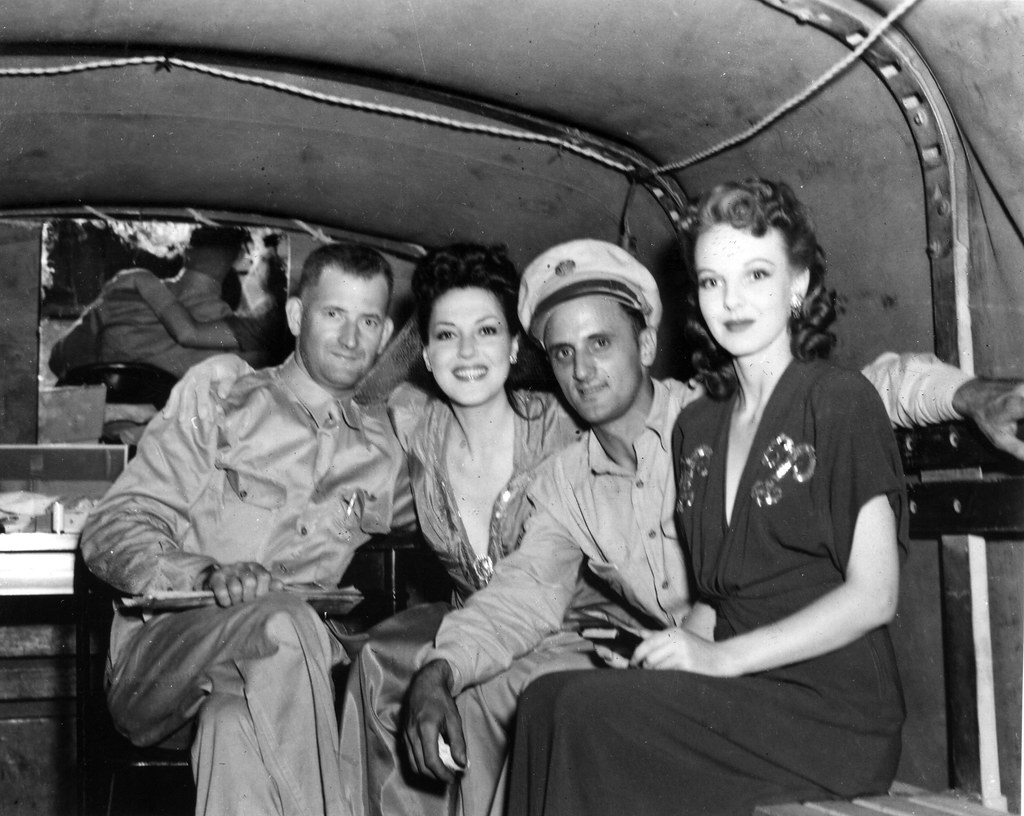
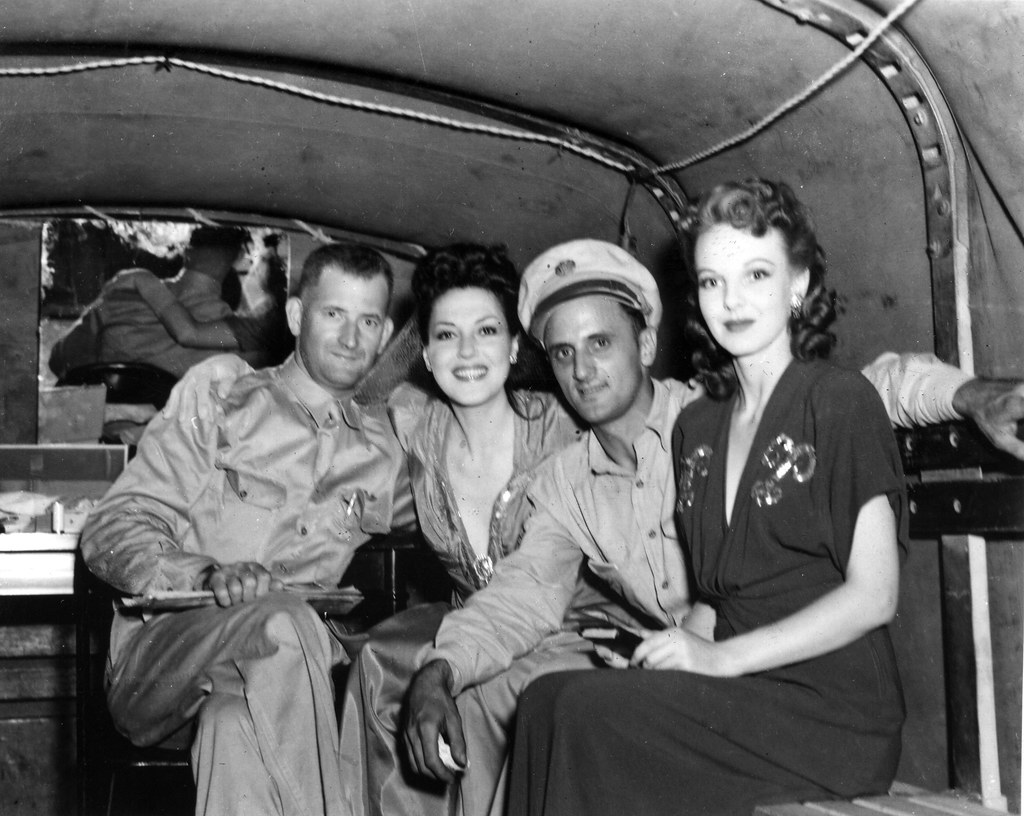
USO entertainers in the back of a military vehicle during World War II

Navigating the New Wave of Entertainment: Innovations and Insights for 2026

The State of Entertainment in 2026

As we stand on the brink of a new era in entertainment, 2026 has brought forth a wave of innovations that are reshaping how we consume and engage with various forms of content. With the rapid integration of technology, changes in consumer behavior, and the ongoing quest for authenticity, the entertainment landscape has become more dynamic than ever.

USO entertainers in the back of a military vehicle during World War II
Foto: gbaku

1. The Blending of Genres

One of the most exciting trends in entertainment this year is the blending of genres. Audiences are increasingly drawn to hybrid forms of storytelling, combining elements from various genres to create unique experiences. From romantic sci-fi thrillers to horror-comedy series, the lines that traditionally separated genres are becoming blurred.

Why It Matters

This genre fusion allows creators to explore different narrative pathways and engage wider audiences. As viewers search for fresh content that deviates from formulaic storytelling, the demand for innovative genre combinations is likely to grow.

2. The Impact of Social Media

Social media continues to play a pivotal role in shaping the entertainment industry. In 2026, platforms like TikTok, Instagram, and YouTube have become vital for content discovery and audience engagement.

Short-Form Content Dominance

Short-form videos and live streams have surged in popularity, influencing how traditional media approaches content production. Networks and streaming services are now investing in creating bite-sized content for these platforms, recognizing their potential to reach younger demographics.

Strong Community Engagement

Social media also facilitates community building around entertainment properties. Fans engage directly with creators, share their thoughts, and even influence future projects, making them an essential part of the entertainment ecosystem.

3. Sustainability in Production

With growing awareness around environmental issues, the entertainment industry is responding by adopting more sustainable practices. In 2026, film and television productions are increasingly prioritizing eco-friendly methods, from reducing waste to utilizing renewable energy sources.

Green Filmmaking Initiatives

  • Eco-friendly Sets: Many productions are using sustainable materials for sets and costumes.
  • Carbon Offset Programs: Productions are investing in initiatives that offset their carbon footprint.
  • Digital Distribution: Reducing the need for physical media by focusing on streaming options.

Consumer Expectations

Audiences are becoming more conscious of the content they consume, often choosing to support projects that align with their values. This shift is compelling creators to be more transparent and responsible in their production practices. Also read: apk slot for more insights.

4. The Rise of Augmented Reality (AR)

While virtual reality continues to make headlines, augmented reality has emerged as a game-changer in the entertainment sector. In 2026, AR experiences are becoming more prevalent, providing audiences with immersive ways to interact with their favorite franchises.

Interactive Experiences

From AR-enhanced concerts to interactive mobile games, the technology allows fans to engage with their beloved characters and stories in real time. This not only enhances fan experiences but also opens new revenue streams for creators.

5. The Changing Face of Celebrity

The concept of celebrity is evolving in 2026. With the rise of influencers and digital creators, traditional celebrity status is being challenged. Many consumers now prefer relatable personalities over conventional stars, seeking authenticity and connection.

Influencer Collaborations

Brands and entertainment companies are leveraging this trend by collaborating with influencers across various platforms. These partnerships often result in more engaging promotional content that resonates with audiences.

6. The Future of Live Entertainment

After the pandemic, live entertainment has seen a resurgence, with audiences eager for in-person experiences. Concerts, theater productions, and festivals are adapting to include hybrid models that integrate both live and online participation.

Hybrid Events

Hybrid events allow fans unable to attend in person to still experience the performance through live streaming. This model not only expands the audience base but also creates new opportunities for engagement.

Conclusion: Embracing Change

As we look ahead, it’s clear that the entertainment industry in 2026 is marked by innovation, diversity, and a commitment to sustainability. The blending of genres, the influence of social media, the adoption of AR, and the evolution of celebrity all contribute to a rich and dynamic entertainment landscape. For consumers, this means more choices and engaging experiences that cater to a wide range of interests. By embracing these changes, both creators and audiences can forge a path toward a more inclusive and exciting entertainment future.

USO entertainers in the back of a military vehicle during World War II

Emerging Trends in Entertainment: What to Expect in 2026 and Beyond

Introduction

As we navigate through 2026, the entertainment industry is evolving at an unprecedented pace. With the rapid development of technology and shifting audience preferences, the landscape of entertainment today is vastly different from what it was just a few years ago. In this article, we’ll explore current trends that are shaping the future of entertainment and what we can expect as we move further into the decade.

USO entertainers in the back of a military vehicle during World War II
Foto: gbaku

The Rise of Personalization

One of the most significant trends in entertainment this year is the move toward personalization. Audiences now expect tailored experiences that cater to their specific tastes and preferences. Streaming services and content platforms are leveraging data analytics to curate personalized content recommendations, making it easier for users to discover shows and movies that resonate with them.

The Algorithm Revolution

  • Data-Driven Choices: Algorithms are becoming increasingly sophisticated, analyzing viewing habits to predict and recommend content with remarkable accuracy.
  • Interactive Content: Viewers can choose different storylines or endings in shows or movies, creating a customized viewing experience.
  • Audience Feedback: Platforms are integrating audience feedback loops, allowing viewers to rate content and influence future productions.

Augmented Reality (AR) and Mixed Reality Experiences

Augmented reality has made major strides in 2026, providing unique ways for audiences to engage with their favorite franchises. This technology enhances storytelling by blending digital elements into the real world, offering fans immersive experiences that go beyond traditional viewing.

Immersive Storytelling

  • AR Adventures: Fans can participate in scavenger hunts or interactive experiences tied to their favorite movies or shows.
  • Enhanced Live Events: Concerts and theater performances are incorporating AR elements to engage audiences more deeply.
  • Game Integration: Video games are utilizing AR to create rich, immersive worlds that players can explore in their own environment.

The Globalization of Entertainment

In 2026, global content is dominating the entertainment scene. As borders blur, audiences are embracing stories from different cultures and backgrounds. This trend is not only visible in streaming but also in music, film, and television. Also read: slot demo for more insights.

Diverse Storytelling

  • Crossover Collaborations: Artists and creators from different regions are working together to create unique, hybrid content.
  • Subtitles and Dubs: Improved translation technologies are making international content more accessible than ever.
  • Social Media Influence: Platforms are allowing fans to share and promote international content, further driving its popularity.

Focus on Sustainability

As environmental awareness grows, the entertainment industry is taking significant steps toward sustainability. From eco-friendly productions to efforts to reduce carbon footprints, 2026 is witnessing a conscientious shift toward greener practices.

Eco-Conscious Productions

  • Green Sets: Filmmakers are opting for sustainable materials and practices during production.
  • Carbon Offset Initiatives: Many studios are investing in projects that aim to offset their emissions.
  • Digital Distribution: The rise of digital media reduces the need for physical copies, leading to less waste.

Socially Engaged Content

Another emerging trend is the rise of socially engaged content. Modern audiences are increasingly looking for entertainment that reflects social issues and promotes awareness. Creators are using their platforms to address topics like mental health, diversity, and climate change.

Content with a Purpose

  • Documentaries and Docuseries: These formats are gaining popularity as they provide in-depth looks at pressing societal issues.
  • Influencer Advocacy: Influencers are leveraging their platforms to discuss important topics, further engaging their audiences.
  • Community Engagement: Productions are actively involving communities in their narratives, ensuring diverse voices are heard.

The Future of Gaming and Esports

The gaming industry continues to flourish, paving the way for new forms of entertainment. Esports has garnered massive audiences, rivaling traditional sports in viewership and engagement.

Gaming as a Spectator Sport

  • Live Competitions: Major tournaments are held in large arenas, drawing fans from all over the world.
  • Streaming Platforms: Gamers broadcast their gameplay live, creating communities around their channels.
  • Cross-Media Collaborations: The gaming industry is increasingly collaborating with films and series, creating franchises that span various media.

Conclusion

As we move further into 2026, the entertainment landscape continues to transform dramatically. From personalized experiences to global narratives, technological advancements are reshaping how we consume content. The emphasis on sustainability and social engagement is fostering a deeper connection between creators and audiences. As these trends evolve, they promise to redefine the boundaries of entertainment in exciting and meaningful ways.

DSC_6230 Black British Entertainment Awards BBE Dec 2017 at Porchester Hall London with Jean Gasho Co Founder of BBE

The Cultural Mosaic of Entertainment: Understanding Diverse Narratives in 2026

The Shifting Landscape of Entertainment

As we delve into 2026, the entertainment industry continues to evolve, showcasing a vibrant tapestry of narratives that reflect diverse cultures, experiences, and perspectives. In an age where audiences crave authenticity, creators are stepping up to present stories that resonate across various demographics. This article explores the significance of cultural diversity in entertainment and how it influences everything from films to streaming content.

DSC_6230 Black British Entertainment Awards BBE Dec 2017 at Porchester Hall London with Jean Gasho Co Founder of BBE
Foto: photographer695

Why Cultural Representation Matters

In 2026, entertainment is no longer a one-size-fits-all affair. Audiences expect to see themselves represented on screen, which enhances their viewing experience. Cultural representation not only fosters empathy and understanding among different communities but also enriches the storytelling process.

  • Broader Perspectives: Diverse narratives allow for a more comprehensive understanding of human experiences.
  • Audience Engagement: Film and television that reflect varied backgrounds and values tend to foster stronger viewer loyalty.
  • Innovation in Storytelling: Different cultures bring unique storytelling techniques, creating fresh content that captivates global audiences.

Trends in Cultural Diversity in Entertainment

Several key trends have emerged in 2026 that highlight cultural diversity’s critical role in shaping the entertainment landscape:

  • Increased Representation: Films and TV shows now feature more diverse casts and crew members, reflecting global demographics. Productions like “The Unseen Threads” spotlight lesser-known cultures and bring their stories to mainstream audiences.
  • Global Collaborations: Cross-border partnerships are becoming common, enabling creators to combine their cultural narratives. For instance, a Bollywood blockbuster might feature Western actors and storytelling styles, appealing to a broader audience.
  • New Platforms for Voices: Streaming services are actively seeking out and investing in content from underrepresented voices, giving rise to series that highlight unique stories, such as “Cultural Chronicles,” which explores global traditions through various lenses.

Highlights from Cultural Breakthroughs

This year has seen remarkable successes that showcase the importance of cultural narratives:

  • The Rise of Indie Films: Independent films have garnered critical acclaim for their authentic representation of diverse cultures. Films such as “Heritage” and “Echoes of the Past” have resonated with audiences for their honest storytelling and character development.
  • Documentaries with Impact: Documentaries exploring cultural practices, social issues, and histories, such as “Voices of the Ancestors,” have become increasingly popular, educating viewers while entertaining them.
  • Interactive Experiences: Virtual reality (VR) and augmented reality (AR) are being used to immerse audiences in different cultures. Projects that allow viewers to step into various cultural environments, such as “Cultural Immersion,” are becoming more prevalent.

The Role of Technology in Promoting Diversity

Technology has played an essential role in promoting diverse narratives in the entertainment industry:

  • AI in Scriptwriting: AI technology is being used to analyze audience preferences and provide insights into what diverse stories resonate best with viewers, assisting writers in creating compelling narratives.
  • Social Media Platforms: Platforms like TikTok and Instagram have empowered content creators from various backgrounds to share their stories, leading to an influx of short-format videos that highlight diverse cultures.
  • Global Streaming Services: Services like Netflix and Hulu now offer content in multiple languages, making it easier for audiences to access international films and series that celebrate cultural differences.

Challenges Ahead

Despite the progress made in diversifying cultural narratives in entertainment, several challenges remain:

  • Stereotyping: While representation is increasing, there is still a risk of reinforcing stereotypes, which can undermine the value of authentic storytelling.
  • Access and Funding: Independent creators from diverse backgrounds may struggle with funding and access to distribution channels, limiting their ability to share their narratives.
  • Audience Reception: Not all audiences are ready to embrace diverse stories, which may lead to backlash or pushback against progressive content.

Looking Forward: A More Inclusive Future

As we progress through 2026, the call for diverse narratives in entertainment will only intensify. Creators and industry leaders must prioritize inclusivity, ensuring that all voices are heard and represented. The future of entertainment depends on our ability to embrace and celebrate cultural differences, fostering a richer and more dynamic landscape that resonates with audiences globally.

Ultimately, a commitment to diversity will not only enhance the entertainment experience but will also contribute to a more understanding and connected world. The stories we tell today will shape the narratives of tomorrow, making it crucial to promote authentic cultural representation in every facet of entertainment.

Chinese entertainment

The Digital Renaissance: How Virtual Reality is Transforming Entertainment in 2026

The New Frontier of Entertainment

As we navigate through 2026, the entertainment industry is experiencing a remarkable transformation, primarily driven by advancements in technology. One of the most significant changes is the rise of Virtual Reality (VR), which is reshaping how audiences experience their favorite content.

Chinese entertainment
Foto: Fxqf

Understanding Virtual Reality in Entertainment

Virtual Reality transcends traditional viewing experiences by immersing individuals in a three-dimensional environment. With headsets becoming more affordable and user-friendly, a broader audience is discovering the potential of VR in entertainment.

Engaging Audiences through Immersive Experiences

Unlike passive consumption of media that occurs with conventional formats, VR allows audiences to be active participants. Here are several ways VR is enhancing engagement:

  • Interactive Storytelling: Stories are no longer confined to linear narratives. Creators are developing plots that change based on user choices, allowing fans to influence outcomes.
  • Virtual Concerts: Artists are hosting live concerts in virtual spaces, providing fans with front-row experiences from the comfort of their homes.
  • Gaming Evolution: VR games are taking immersion to a new level with realistic environments and intuitive controls, creating unforgettable gaming experiences.

Impact on Traditional Media

As VR gains traction, traditional forms of entertainment, such as films and television, are adapting. Here’s how:

  • VR Films: Filmmakers are experimenting with 360-degree films that provide viewers a chance to look around the scene, making them feel a part of the narrative.
  • Enhanced TV Shows: Shows are integrating VR elements that allow viewers to explore the show’s universe beyond what’s presented on screen.

The Challenges of VR Adoption

Despite its numerous benefits, the journey to widespread VR adoption is not without challenges:

  • Costs: High-quality VR equipment can still be expensive for average consumers, limiting its reach.
  • Content Availability: Although VR content is growing, there is still a lack of mainstream content that can attract a large audience.
  • Physical Space: Users need adequate space to avoid accidents while navigating virtual environments.

Future Trends in VR and Entertainment

The future of entertainment in 2026 and beyond holds exciting possibilities, particularly with VR:

  • Integration with AI: AI will play a crucial role in developing highly personalized VR experiences, tailoring content based on user preferences.
  • Educational Experiences: VR is set to revolutionize educational content, providing immersive learning experiences that can enhance understanding and retention.
  • Social Interaction: Expect to see more platforms that emphasize social VR experiences, where friends can meet in virtual spaces, watch shows, and interact in real time.

The Role of Creatives in the VR Landscape

As an emerging medium, VR presents unique opportunities for creatives. Writers, directors, and designers are experimenting with new forms of storytelling that leverage the strengths of VR technology.

Conclusion: Embracing the Future of Entertainment

The rise of Virtual Reality has undoubtedly marked a new era in entertainment. As technology continues to evolve, so will the ways we engage with media. The coming years promise to unveil an exciting spectrum of opportunities, allowing audiences not only to consume content but to live it. It’s an exhilarating time to be part of the entertainment landscape.

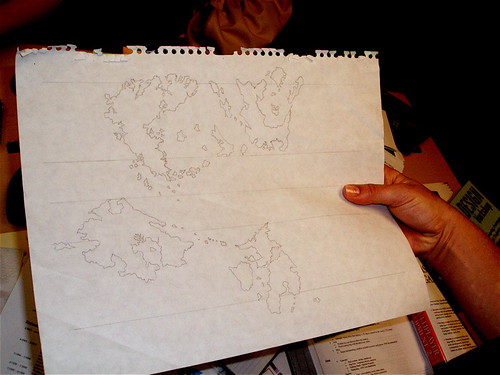
Original Ultima Online map (the game only shipped with the top-left corner), Sony Online Entertainment, San Diego

The Soundtrack of Our Lives: How Music Shapes Our Entertainment Choices in 2026

Understanding the Role of Music in Today’s Entertainment Landscape

As we navigate through 2026, the influence of music in our entertainment choices has become more profound than ever. From films and television shows to video games and live performances, soundtracks are crucial in creating emotional depth and resonance. This article explores how music curates our entertainment experiences and shapes our preferences in today’s fast-paced world.

Original Ultima Online map (the game only shipped with the top-left corner), Sony Online Entertainment, San Diego
Foto: gruntzooki

The Power of Soundtracks: A Blend of Emotion and Storytelling

Music is not just an accessory to visual art; it is an integral component that enhances storytelling. Here are several ways soundtracks play a key role:

  • Emotional Resonance: A well-composed score can amplify the emotional weight of a scene, leaving lasting impressions on the audience.
  • Cultural Significance: Music genres often carry cultural narratives that can deepen a viewer’s connection to the story being told.
  • Memory Associations: Familiar tunes can evoke nostalgia and personal memories, enriching the viewer’s overall experience.

Case Studies: Successful Integration of Music in Entertainment

Several projects have showcased the vital role of music in modern entertainment:

  • Film: The Revival of the Musical – Recent films have revived the classic musical format, demonstrating how audiences are drawn to music-driven narratives. Films like La La Land and In the Heights have proven that a powerful score can be the cornerstone of a successful cinematic experience.
  • Television: The Evolving Soundtrack – Shows such as Stranger Things have expertly used nostalgic music to capture the essence of their themes. The integration of carefully curated tracks draws in viewers and enriches their connection to the series.
  • Gaming: A New Level of Immersion – Video games in 2026 employ intricate soundscapes and dynamic scores that adapt to gameplay, creating a unique experience for each player. Titles like Final Fantasy XVI illustrate how integral music has become to gameplay immersion.

The Streaming Revolution: Playlists and Personalization

The rise of streaming platforms has revolutionized how we consume music and, consequently, how we experience entertainment. Here’s how:

  • Personalized Playlists: Services like Spotify and Apple Music offer algorithms that curate playlists based on user preferences. This personalization extends to films and shows, where music recommendations based on viewing history enhance the experience.
  • Global Access: Streaming allows audiences to explore music from around the world, leading to more diverse influences in mainstream entertainment. Collaboration between artists from different cultures has never been more accessible.
  • Innovative Collaborations: Artists are increasingly collaborating with filmmakers and game developers to create bespoke soundtracks, blurring the lines between music and visual media.

Embracing Fan Culture: From Concerts to Streaming Events

As entertainment becomes ever more interactive, fan engagement has become a significant trend. Music-related events have evolved in fascinating ways:

  • Virtual Concerts: The pandemic accelerated the trend towards virtual concerts, and this format has continued to thrive. Artists utilize these events to connect with fans globally, often integrating exclusive content and interactive elements.
  • Fan-Driven Content: With platforms like TikTok, fans are now producers of content. Users often create videos using specific soundtracks, enabling artists to reach new audiences through organic sharing.
  • Social Media Interaction: Platforms encourage artists to engage with fans through Q&As, behind-the-scenes content, and sneak peeks, making the musical experience more communal.

Challenges Facing Music in Entertainment Today

While music plays a critical role in enhancing entertainment, challenges abound:

  • Copyright Issues: The constant evolution of music rights and copyright laws makes it difficult for creators to navigate the industry.
  • Oversaturation: With an influx of digital content, audiences may feel overwhelmed by choices, leading to a potential decline in deep engagement.
  • Quality vs. Quantity: The pressure to produce music quickly for various media can result in a decline in the quality of soundtracks.

Looking Ahead: The Future of Music in Entertainment

As we look to the future, the relationship between music and entertainment is set to evolve even further:

  • AI-Generated Music: As AI technology advances, we may see more music created specifically for films and games, tailored to enhance viewer engagement.
  • Interactive Formats: Future entertainment could fully integrate interactive music experiences, allowing audiences to influence soundtracks based on their choices.
  • Greater Collaboration: Expect to see an increase in partnerships between musicians, filmmakers, and game developers, leading to innovative storytelling through sound.

In conclusion, as we journey through 2026, the impact of music on entertainment continues to expand. With advancements in technology and a deeper understanding of audience preferences, the soundtracks of our lives will remain central to how we experience and engage with entertainment.

DIY in car entertainment system

The Rise of Experiential Entertainment: Engaging Audiences in 2026

The Evolution of Entertainment Experiences

As we navigate through 2026, the entertainment landscape is witnessing a significant transformation. With the rapid advancement of technology and a shift in audience preferences, experiential entertainment has emerged as a dominant trend, capturing the attention of consumers worldwide.

DIY in car entertainment system
Foto: Gavin Tapp

What is Experiential Entertainment?

Experiential entertainment refers to immersive experiences that engage individuals beyond the traditional formats like films, television shows, or video games. This form of entertainment blends storytelling with interactive elements, allowing audiences to participate actively in the narrative. From live shows and themed attractions to immersive art installations, experiential entertainment is redefining how we engage with content.

Key Factors Driving the Trend

Several factors contribute to the rise of experiential entertainment:

  • Technology Integration: Innovations such as augmented reality (AR) and virtual reality (VR) have enhanced the ability to create immersive experiences. These technologies allow audiences to step into the story, interact with the environment, and forge deeper connections with the content.
  • Changing Consumer Behavior: Modern audiences seek more than passive consumption of media. They desire participation and connection, leading to a demand for experiences that go beyond the screen.
  • Social Media Influence: Platforms like Instagram and TikTok have turned experiences into shareable moments. People are more likely to engage with events that they can document and share, further driving the popularity of experiential entertainment.

Popular Forms of Experiential Entertainment in 2026

With the demand for immersive experiences on the rise, various forms of experiential entertainment have taken center stage:

  • Immersive Theater: Productions that invite audiences to walk through the performance space and interact with the actors and set are gaining traction. This allows for personalized experiences and multiple storylines, enhancing replay value.
  • Escape Rooms: These interactive puzzle-solving experiences have continued to evolve, incorporating sophisticated storylines and themes, from horror narratives to mystery adventures, appealing to a wide range of audiences.
  • Themed Attractions: Theme parks are increasingly focusing on experiential attractions that marry technology with storytelling. Expect to see rides and environments that not only thrill but also involve guests in multi-sensory narratives.
  • Live Events and Festivals: Music festivals and cultural events are incorporating immersive elements, such as interactive art installations and augmented reality experiences, creating unforgettable atmospheres.

Case Studies: Successful Experiential Entertainment Events

Several events have set the bar for experiential entertainment: Also read: ajo89 for more insights.

  • Secret Cinema: This London-based company offers film screenings that transport audiences into the world of the movie. Participants dress up and engage with actors in themed environments, making each screening a unique experience.
  • Meow Wolf: An immersive art installation in Santa Fe, New Mexico, Meow Wolf combines storytelling with interactive art, allowing visitors to explore a surreal world filled with mystery and discovery.
  • The Van Gogh Experience: This travelling exhibition showcases the works of Vincent Van Gogh through immersive installations, allowing audiences to step into his paintings and experience art in a new dimension.

The Role of Marketing in Experiential Entertainment

Marketing strategies for experiential entertainment have evolved alongside the trend itself. Brands are now utilizing storytelling in their campaigns to create a narrative that resonates with consumers:

  • Social Media Campaigns: Engaging potential audiences through social media with sneak peeks, behind-the-scenes content, and user-generated hashtags can create buzz before an event.
  • Collaborations: Partnering with influencers or other brands can expand reach and create unique experiences that attract diverse audiences.
  • Experiential Pop-Ups: Limited-time events or installations that offer exclusive experiences can create urgency and excitement, encouraging immediate participation.

Challenges in the Experiential Entertainment Sector

While the growth of experiential entertainment is promising, it does come with challenges:

  • High Costs: Producing immersive experiences can be expensive due to the technology and manpower involved, potentially limiting accessibility.
  • Audience Engagement: Ensuring that experiences cater to diverse audience preferences and maintaining engagement can be a difficult balance to strike.
  • Logistical Complexity: Organizing large-scale immersive events requires meticulous planning and coordination, which can pose challenges for even the most seasoned producers.

Future Outlook: What Lies Ahead for Experiential Entertainment?

The future of experiential entertainment looks promising as more innovators enter the space. With technology continuing to evolve, we can expect:

  • Integration of AI: As artificial intelligence becomes more sophisticated, AI-driven experiences could personalize interactions even further, tailoring storytelling based on individual preferences.
  • Hybrid Experiences: The blending of physical and digital experiences will likely become more prevalent, allowing for a seamless transition between the two worlds.
  • Global Expansion: As technology becomes more accessible, experiential entertainment can tap into global markets, bringing unique cultural stories to international audiences.

Conclusion

In 2026, experiential entertainment stands at the forefront of audience engagement, transforming how we consume and interact with media. As technology continues to advance and consumer preferences shift, the opportunities for creating memorable, immersive experiences will only multiply, marking a new era in the entertainment industry.

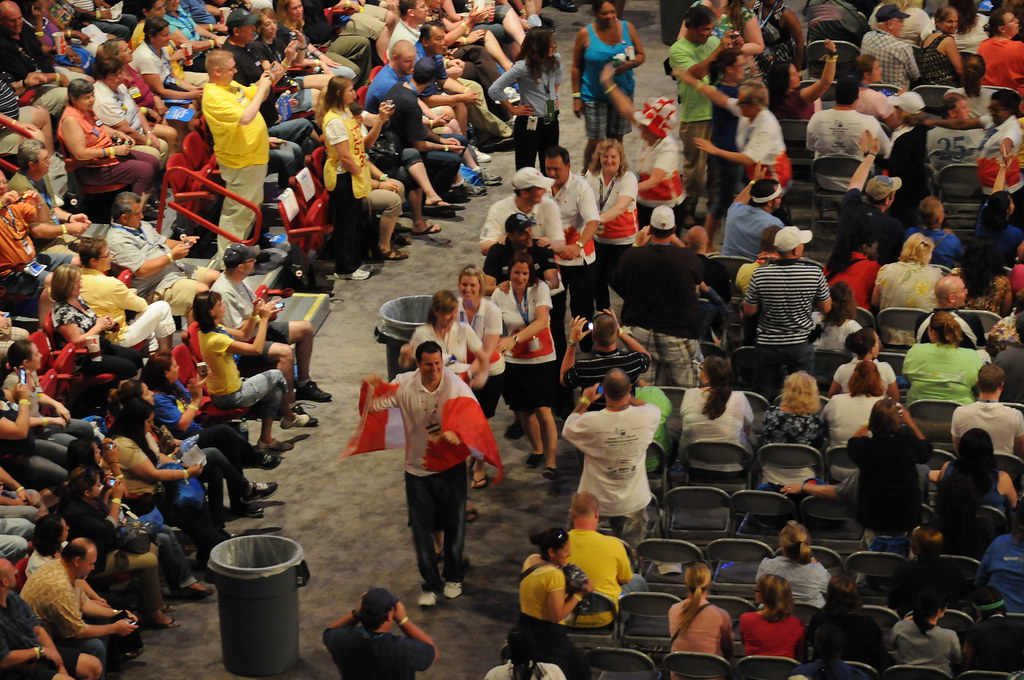
Walmart Associates Entertain the Crowd While Waiting for Bob Seger and the Silver Bullet Band

The Evolution of Interactive Storytelling in Entertainment: Trends to Watch in 2026

The Rise of Interactive Storytelling

As we step into the future of entertainment in 2026, one of the most significant trends reshaping the landscape is the rise of interactive storytelling. This format engages audiences not just as passive viewers but as active participants, allowing them to influence storylines and character development. The merging of technology with narrative has opened new avenues for creativity and engagement, attracting a diverse audience.

Walmart Associates Entertain the Crowd While Waiting for Bob Seger and the Silver Bullet Band
Foto: Walmart Corporate

The Mechanics Behind Interactive Storytelling

Interactive storytelling traditionally utilized video games as its primary medium. However, in 2026, many other formats have adopted this approach, including:

  • Interactive Films: Platforms are now offering films where viewers can choose the direction of the story, leading to multiple possible endings.
  • Augmented Reality Experiences: These experiences blend the real and digital worlds, allowing audiences to immerse themselves in a story while interacting with their environment.
  • Virtual Reality Narratives: VR has transformed how we experience stories, making the audience feel as though they are part of the narrative.

How Interactive Storytelling Captivates Audiences

One of the primary reasons for the surge in popularity of interactive storytelling is its ability to captivate audiences in unique ways:

  • Personalization: Viewers can tailor experiences based on their choices, leading to a sense of ownership over the narrative.
  • Engagement: The interactive nature keeps audiences invested in the story, leading to higher retention rates.
  • Community Involvement: Many interactive stories encourage social interaction, creating communities around shared experiences and outcomes.

Notable Examples of Interactive Storytelling in 2026

Several projects in 2026 exemplify the evolution of interactive storytelling: Also read: https://saikyoutackle.org/ for more insights.

  • Netflix’s “Choose Your Own Adventure” Series: Following the success of its predecessors, Netflix has launched a new series that further refines interactive cinema, with complex narratives and character arcs.
  • Gaming Experiences Influencing Film: Titles like “Epic Quest” blur the lines between gaming and film, offering rich storytelling through gameplay mechanics.
  • Live-Action Role Playing (LARP) Events: These events have exploded in popularity, allowing fans to immerse themselves in their favorite universes, interacting with actors and fellow fans to craft unique stories.

The Role of Technology in Transforming Narratives

Technological advancements have been crucial in enhancing interactive storytelling:

  • Artificial Intelligence: AI algorithms are increasingly being utilized to create dynamic narratives that change based on user interactions.
  • Mobile Integration: With the rise of mobile platforms, storytelling has become more accessible, allowing users to engage with narratives anytime and anywhere.
  • Blockchain Technology: This technology offers unique ownership of digital content, allowing users to influence and even co-create stories, giving a sense of agency.

Challenges of Interactive Storytelling

While interactive storytelling opens exciting doors, it comes with challenges that creators and platforms must navigate:

  • Complexity of Production: Creating interactive narratives requires a more extensive production process, often complicating timelines and budgets.
  • Audience Expectations: As interactive stories evolve, so do viewer expectations. Meeting these demands can be daunting for creators.
  • Balancing Freedom and Narrative Direction: Striking a balance between user freedom and a cohesive story can be challenging, as excessive freedom can lead to fragmented narratives.

The Future of Interactive Storytelling

As we look ahead, the future of interactive storytelling is bright. Here are some predictions for what we can expect:

  • Increased Accessibility: As technology advances, interactive storytelling will become more accessible to a broader audience, democratizing content creation.
  • Cross-Platform Narratives: Expect to see more stories that span multiple platforms, allowing users to follow narratives across different media.
  • Enhanced Personalization: Future narratives will likely leverage more profound data analytics to create personalized experiences that resonate with individual viewers.

Conclusion

The evolution of interactive storytelling in 2026 marks a pivotal moment in entertainment. By engaging audiences in new and exciting ways, it fosters a deeper connection to the narratives we love. As technology continues to advance, the possibilities are limitless, paving the way for innovative forms of storytelling that cater to a diverse and engaged audience.

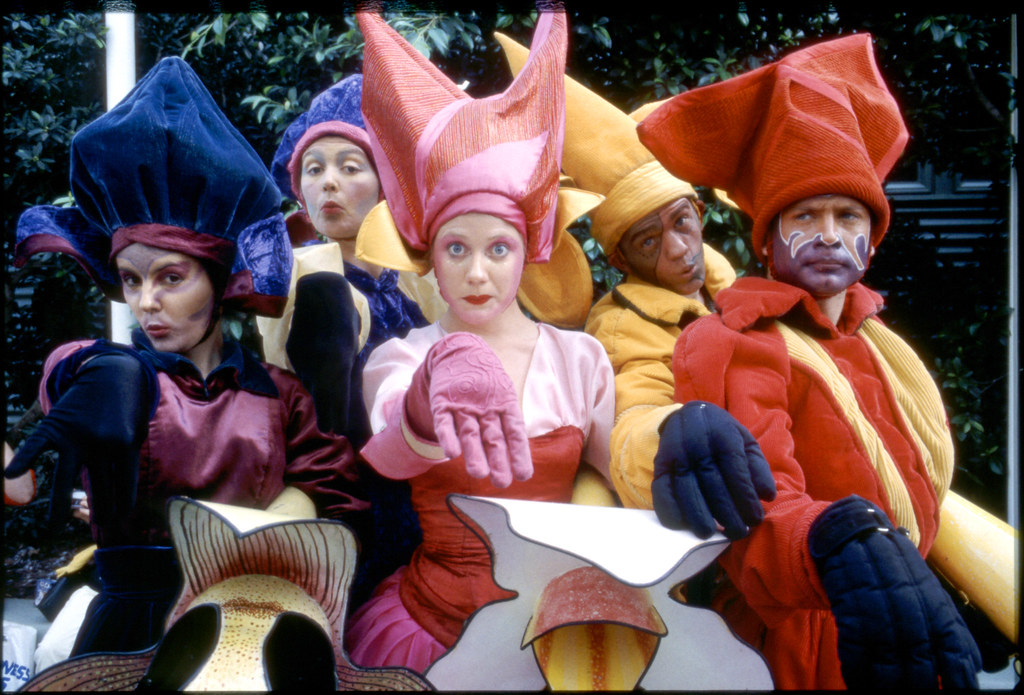
The Orchids street entertainer - Expo 88

Mics On, Cameras Rolling: How Video Podcasts Quietly Became Television in 2026

For twenty years, podcasting was the medium you kept in your ears while your hands did something else. Commutes, dishes, treadmills — it thrived in the gaps of the day. In 2026, the gaps have moved to the couch. The fastest-growing way to consume a podcast is to watch it, increasingly on the biggest screen in the house, and the entertainment business has reorganized itself around that fact with startling speed.

The Orchids street entertainer - Expo 88
Foto: Queensland State Archives

Video podcasts — or vodcasts, if you can stand the word — now anchor streaming strategies, command nine-figure talent deals, and just collected their first major awards-season recognition. What looked like a pandemic-era workaround, pointing a camera at two people with microphones, has quietly become the most efficient hit-making machine in entertainment. Here is how talk became television, and what it means for everything else on your screen.

The Living Room Takeover

The numbers tell a simple story. YouTube has been the most-used podcast platform in the United States for several years running, and a growing share of that listening happens on connected TVs rather than phones. Spotify, once the audio purist, now hosts hundreds of thousands of video shows and has reported that video podcast consumption is growing several times faster than audio-only listening since it began paying creators for video engagement in early 2025.

The behavioral shift matters more than the raw figures. People are not casually glancing at these shows while folding laundry — they are watching them the way previous generations watched Carson or Oprah: deliberately, at length, often with other people in the room. Session lengths for video podcasts on TV screens now rival prestige dramas, and the shows themselves have started to look the part, with multi-camera setups, designed sets, and opening titles that wink at classic late night.

Why the Format Clicked

Video solved podcasting’s two oldest problems: discovery and attachment. A gripping two-minute clip travels across TikTok, Reels, and Shorts in a way a bare audio waveform never could, funneling new viewers toward full episodes. And seeing a host’s face, week after week, builds a parasocial bond that audio alone rarely matches. Audiences do not just know these hosts’ voices — they know their studios, their mugs, their co-host’s eye rolls. That visual familiarity is franchise material.

Why Netflix and the Streamers Came Calling

Streamers spent the early 2020s locked in an arms race for expensive scripted tentpoles. By 2025, the math had stopped working: too many fifteen-million-dollar hours, too few hits, and subscriber retention dependent on keeping people engaged between the big swings. Video podcasts arrived as the perfect connective tissue — weekly, loyal, and astonishingly cheap by comparison.

The landmark moment came when Netflix struck its partnership with Spotify to bring a slate of video podcasts, including sports and culture shows from The Ringer, onto the service beginning in 2026 — the first time the company treated podcasts as core programming rather than a curiosity. Rivals moved quickly. Amazon folded video-first Wondery shows deeper into Prime Video, SiriusXM kept signing marquee hosts to video-forward deals, and YouTube simply kept being YouTube, only now with a podcast tab on nearly every smart TV in America.

  • Cost: A full year of a weekly video podcast can cost less than a single episode of a mid-tier scripted series.
  • Cadence: New episodes every week smooth out the feast-or-famine release calendar that drives subscriber churn.
  • Audience: Podcast fans follow hosts across platforms, delivering built-in viewership from day one.
  • Flexibility: Episodes work as long-form TV, vertical social clips, and audio feeds simultaneously — three products from one recording session.

The Economics Everyone Loves

Podcast advertising has long punched above its weight because host-read ads feel like recommendations rather than interruptions, and video supercharges that effect — now the host can hold the product, demo the app, or wear the sponsor. Industry estimates put U.S. podcast ad spending near the three-billion-dollar mark in 2026, with video shows commanding premium rates and integrated brand deals that would have been unthinkable for an audio feed five years ago.

For creators, the model is stacked in their favor. A single recording session yields a TV episode, an audio episode, a dozen social clips, and often the backbone of a live tour. Ownership structures tend to be friendlier than traditional Hollywood deals, which is why A-list talent increasingly launches a show of their own instead of waiting for a greenlight. The podcast studio has become what the production-company shingle was in the 1990s: the default power move for a star with something to say.

The New Late Night

The clearest sign of the takeover is what happened to the celebrity interview. The traditional late-night couch has been shrinking for years, while the podcast chair has become the most important stop on any press tour. A long, loose, two-hour conversation on a top vodcast now generates more cultural heat — and far more viral clips — than a tightly produced six-minute segment ever could. Publicists plan entire campaigns around a handful of these bookings.

The institutions have followed. The Golden Globes introduced a Best Podcast category at their January 2026 ceremony, the first major award to treat the medium as a peer of film and television, and Emmy eligibility chatter grows louder each season. Meanwhile, the hosts themselves — once dismissed as radio-adjacent — now sell out arenas, front streaming documentaries, and anchor major network coverage. If you are looking for the heirs to the broadcast talk-show throne, they are wearing headphones in a converted warehouse.

What Gets Lost When Radio Gets a Camera

None of this is pure upside. The intimacy that made podcasting feel like eavesdropping on a smart conversation is harder to sustain when there is a lighting grid and a producer in the room. Some of the medium’s most beloved shows now feel suspiciously like the television they were supposed to replace — polished, sponsored, and safe.

There is also a growing squeeze on the audio-first middle class of podcasting. Independent shows without a video budget are finding discovery harder as platforms and advertisers tilt toward camera-ready content, and production bloat is creeping in: what began as two people and a microphone increasingly requires a crew, a set, and a post-production team. Labor questions are following, from union representation for podcast crews to disputes over who owns the video rights when a host and a network part ways. The medium that democratized broadcasting is, ironically, getting more expensive to enter at the top.

What Comes Next

The next phase is already visible. Expect consolidation, as streamers and audio giants snap up independent networks. Expect format experiments that blur the line further, from filmed scripted hybrids to real-time audience interaction. And expect a messy but necessary fight over measurement, because the industry still cannot agree on what counts as a podcast view versus a listen. International markets are the wildcard — the vodcast boom is still most intense in English-language territories, and whoever exports the format convincingly will own a large slice of the next decade.

For now, the lesson of 2026 is simple. Television was never really about the box or the broadcast tower — it was about familiar faces talking to us, regularly, in our living rooms. Podcasting figured that out, put a camera on it, and ate TV’s lunch. The only question left is whether we still call it podcasting once nobody remembers it was ever anything else.

DIY in car entertainment system

From Uploads to Blockbusters: How Creator-Led Studios Became Entertainment’s New Power Players in 2026

For decades, the story of making it in entertainment followed a familiar script: move to Los Angeles, wait tables, audition, pray. In 2026, that script reads like a period piece. The more reliable path to a theatrical release or a streaming deal now runs through a bedroom studio, a ring light, and an upload schedule. The creator economy, once dismissed by executives as a side hustle for teenagers, has quietly industrialized — and the numbers behind that shift are getting harder for even the most traditional studio head to ignore.

DIY in car entertainment system
Foto: Gavin Tapp

This isn’t a story about influencers getting cameos. It’s about a parallel studio system that built its own audiences, its own financing models, and increasingly, its own distribution muscle. Here’s how creator-led entertainment became one of the industry’s defining power centers this year.

The Living Room Coup Nobody Announced

The single most important fact in entertainment right now isn’t a box office record or a streaming subscriber count. It’s where people watch YouTube. Nielsen’s ongoing tracking of TV usage has shown YouTube leading all streaming distributors for living-room watch time, a streak that has held through most of 2026. The fastest-growing screen for a platform built on phone videos is, almost poetically, the biggest one in the house.

That shift changed the conversation in every executive suite in town. When a creator’s weekly upload commands longer living-room sessions than a prestige drama with a nine-figure budget, the old hierarchy — real television on top, internet content below — stops making sense. Viewers, especially viewers under 40, never saw a hierarchy at all. They just see one screen and an infinite queue.

Hollywood’s response over the past two years has been less a surrender than an acquisition spree. Streamers are commissioning creator-led series, agencies have expanded their digital talent divisions into full production arms, and the 2026 upfront season featured creator slates pitched alongside — not after — traditional network programming.

Why Studios Started Taking Meetings in the Comments Section

The appeal of creator-led projects comes down to one word Hollywood loves and rarely gets: certainty. In an era of risk-averse greenlights, a creator arrives with something no spec script can offer — a pre-built, pre-engaged, precisely measurable audience that has already demonstrated it will show up.

The proof points have stacked up. MrBeast’s Beast Games turned a YouTube competition format into one of Prime Video’s biggest unscripted launches, proving a creator concept could anchor a platform’s marketing calendar. Markiplier spent years building toward a self-financed theatrical horror feature, betting that a loyal audience could fill seats without a traditional studio machine behind it. And the Philippou brothers traced the path everyone now studies: chaotic YouTube channel, scrappy first feature, then A24 hits in Talk to Me and Bring Her Back — a pipeline from subscriber count to studio credibility that film schools now teach as a case study.

The Audience-First Math

Traditional development asks: is this good, and can we convince people to care? Creator-led development asks: the audience already cares — is this good enough to deserve them? That inversion flips the risk equation. Marketing spend shrinks when the trailer drops directly to ten million subscribers. Test screenings matter less when a creator has run a decade of live experiments on what their audience responds to, upload by upload.

The Creator Studio Playbook

What separates 2026’s creator studios from the influencer vanity projects of a decade ago is structure. The operations behind the biggest channels now look less like talent and more like lean production companies, and they share a recognizable playbook:

  • IP ownership first. The channel is the franchise. Formats, characters, and catchphrases are owned assets, licensed outward rather than sold off.
  • Iterative development. Ideas are tested in cheap, fast uploads before anyone spends real money. A concept that dies at 200,000 views never becomes a $40 million mistake.
  • Revenue stacking. Ad revenue, brand integrations, merchandise, live events, and licensing all feed the same machine, which means no single project has to carry the whole business.
  • Direct distribution instinct. Creators treat platforms as partners, not gatekeepers — and negotiate accordingly, because they can always go direct.

It’s a model built for a fragmented attention market: flexible, audience-accountable, and allergic to overhead. Traditional studios are studying it the way legacy automakers once studied electric startups — first with skepticism, then with org charts.

The Growing Pains Are Real

None of this means the creator takeover is smooth, complete, or universally welcomed. For every crossover success, there’s a creator-led project that flopped publicly — a reminder that holding attention for eight minutes is a different craft from holding it for two hours. Audiences can smell a cash grab, and the backlash to lazy adaptations has been swift and meme-formatted.

There are structural frictions, too. The creator world runs on speed and improvisation; professional production runs on union agreements, insurance, and schedules measured in months. The 2026 conversation around labor standards on creator sets — fair pay for editors, crew protections on ambitious shoots — echoes every growing pain the industry has ever had, compressed into fast-forward. And some creators have learned the hard way that parasocial loyalty doesn’t transfer to every format: an audience that loves you in a reaction video may not follow you into a dramatic role.

The honest reading of 2026 is that the creator-studio hybrid is past its novelty phase and deep in its quality-control phase. The question is no longer whether creators belong in professional entertainment. It’s which ones can actually do the work.

What the Rest of the Industry Is Learning

The ripple effects extend well beyond the creators themselves. Talent development has been rewritten: scouts now mine upload analytics the way they once mined film festival lineups, and comedy writers’ rooms increasingly recruit from sketch channels. A generation of directors is arriving with a decade of audience data baked into their instincts — they know exactly which shot loses viewers at the thirty-second mark, because they’ve watched it happen in real time.

Perhaps most interestingly, the creator model is nudging the broader industry back toward things it had abandoned:

  • Consistency over event-ification. Weekly uploads trained audiences to return on schedule — a discipline traditional TV once had and streaming’s content flood diluted.
  • Personality as the brand. Viewers follow people, not logos. Networks are rebuilding around hosts and voices after years of faceless content libraries.
  • Community as retention. Comment sections, memberships, and Discord servers keep audiences between releases. Engagement, it turns out, is a moat.

Where This Goes Next

Heading into 2027, watch for the lines to blur past the point of meaning. Major creators are launching formal studio banners with distribution deals attached. Established filmmakers, meanwhile, are going the other direction — starting channels, building direct audience relationships, hedging against a greenlight system they no longer fully trust. The next generation of A-list directors may arrive with filmographies split evenly between theatrical releases and uploads, and no one will think to separate the two.

The old studio gates didn’t fall. They just stopped being the only way in — and the new entrances have subscriber counts over the door. For audiences, that’s mostly good news: more paths for talent, more kinds of stories, and an industry finally forced to compete for attention it once took for granted. The bedroom studio is now part of the backlot. Hollywood’s just getting used to saying so.