Walmart Associates Entertain the Crowd While Waiting for Bob Seger and the Silver Bullet Band

Off the Couch: Why Live and Shared Experiences Are Entertainment’s Biggest Story of 2026

For the better part of a decade, entertainment’s fiercest battles were fought over the couch. Whose app had the deepest catalog. Whose algorithm kept you watching one more episode. Whose subscription you’d cancel last when the credit card bill arrived. But somewhere along the way, the industry’s center of gravity quietly shifted back out the front door.
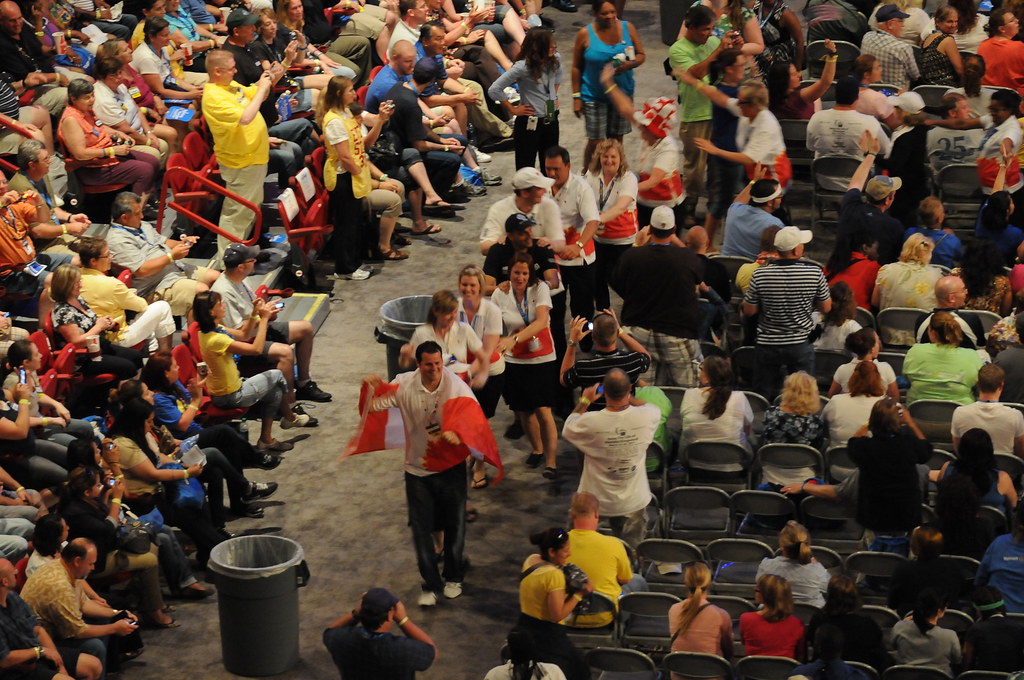
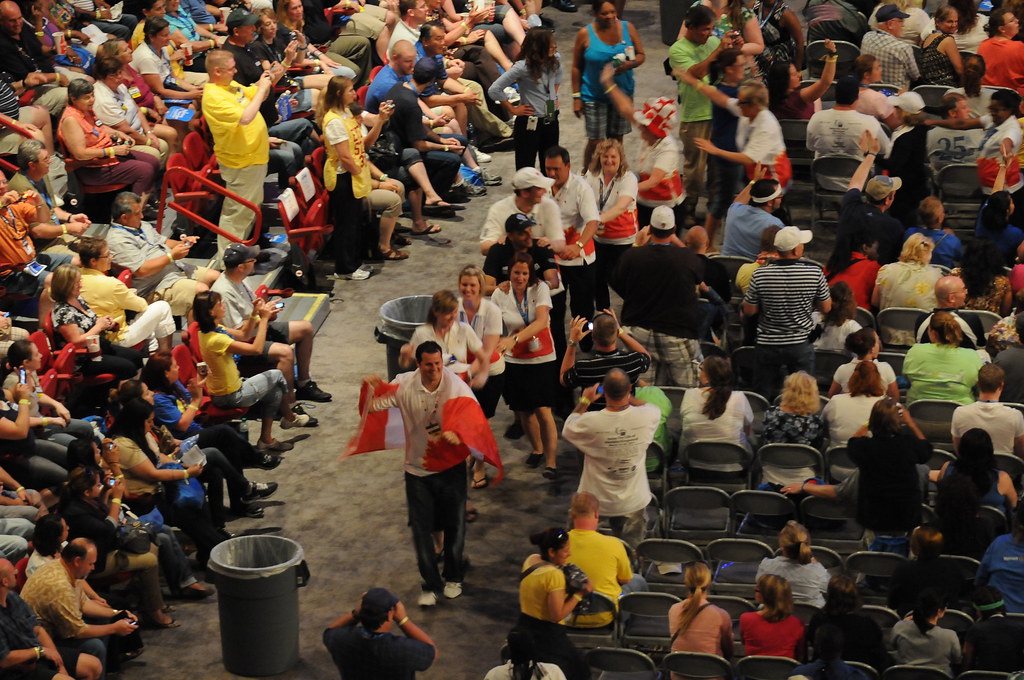
Walmart Associates Entertain the Crowd While Waiting for Bob Seger and the Silver Bullet Band
Foto: Walmart Corporate

In 2026, the most valuable currency in entertainment isn’t screen time — it’s presence. Concert grosses have broken records three years running. Movie theaters, written off during the streaming wars, are selling out screenings that behave more like house parties. Purpose-built immersive venues are rising on multiple continents, and even the biggest streaming platforms are pouring billions into live programming that vanishes the moment it ends. Call it entertainment’s great night out.

Streaming Won the Last Decade. Presence Is Winning This One.

None of this means streaming is collapsing. It’s still the default way most people watch most things. But the growth story has stalled: subscription prices keep climbing, password crackdowns have run their course, and churn is the industry’s permanent headache. Audiences are tired of the endless scroll — that familiar half-hour spent browsing thumbnails before giving up entirely.

A live experience solves problems streaming created. It can’t be paused, skimmed at 1.5x speed, spoiled by a thumbnail, or endlessly replicated by an algorithm. Scarcity, of all things, has become the premium product. A ticket that exists for one night only carries a weight that a title buried in a carousel never will. Being able to say you were there is the one flex no content library can copy.

Event Cinema Turned Theaters Back Into Destinations

The seeds were planted in late 2023, when concert films from Taylor Swift and Beyoncé turned multiplexes into de facto stadiums, complete with dancing in the aisles and friendship bracelets traded between strangers. The industry treated it as a fluke. Then 2025 arrived and made the pattern impossible to ignore.

A Minecraft Movie became a communal happening when the so-called chicken jockey screenings went viral, with audiences shouting lines and theaters leaning in rather than fighting it. Months later, sing-along screenings of KPop Demon Hunters topped the weekend box office — for a film that had already been available on streaming for weeks. That detail matters. People didn’t pay for access. They paid for each other.

The Sing-Along Is Now a Release Strategy

In 2026, distributors no longer treat participatory screenings as happy accidents. Animated musicals and crowd-pleasing mid-budget films are being engineered from the script stage for call-and-response moments. Studios release standard and sing-along versions simultaneously. Some chains sell prop bags and costume-friendly showtimes. Theaters themselves have become multi-purpose venues, hosting live podcast tapings, stand-up specials, esports watch parties, and premiere events with cast appearances beamed in via satellite. The building stopped being a screen with seats and started being a stage.

Immersive Venues Grew Up Fast

A few years ago, immersive entertainment mostly meant a projection-mapped room devoted to a long-dead painter. That era feels quaint now. Sphere in Las Vegas proved that a purpose-built venue could become the attraction itself, with residencies designed around its wraparound visuals, and sister venues have since been announced for other cities. London’s ABBA Voyage — a concert performed by digital avatars of the band — is still selling out years after opening, defying every prediction that it was a novelty act.

By 2026, the category has matured into narrative-driven productions that blend live performers, spatial audio, moving sets, and environmental effects. Location-based entertainment, once a rounding error owned by theme parks, is now a serious line item for studios and music companies looking for revenue that doesn’t depend on streaming economics.

Even the Streamers Are Chasing You-Had-to-Be-There

The most telling sign of the shift is coming from the platforms that killed appointment viewing in the first place. Netflix spent 2024 and 2025 stacking its slate with live boxing, NFL Christmas games, the weekly arrival of WWE Raw, and live comedy events — and it hasn’t slowed down in 2026. Rivals have followed, bidding up live sports rights and experimenting with real-time reality finales and interactive broadcasts.

The logic is blunt: live is the last genre that still assembles a mass audience at the same moment. That simultaneity is gold for advertisers, and it generates the kind of next-morning conversation that binge drops rarely sustain. The binge model isn’t dead, but it’s no longer the crown jewel. The crown jewel is a Thursday night when millions of people are watching the same thing, together, right now.

The Psychology of the Crowd

There’s a human layer underneath the balance sheets. Sociologists have long described collective effervescence — the emotional charge people get from experiencing something in unison. Laughter lands harder in a packed room. A chorus sung by ten thousand strangers lodges in memory in a way headphones never manage. After years of frictionless, solitary convenience, a little friction turned out to be the point: the tickets, the travel, the line outside. The effort is part of the reward, and the memory is the souvenir.

It also explains why the trend skews young. The generations raised on on-demand everything are the ones most eager to spend on moments that feel unrepeatable — and most likely to document them, feeding the cycle.

What This Shift Means If You Make or Market Entertainment

  • Design for participation, not just consumption. Whether it’s a film, an album rollout, or a tour, build in moments the audience completes — a lyric, a chant, a ritual.
  • Launch like an event, not a drop. Premieres with live components, limited windows, and real-world activations outperform silent uploads.
  • Take mid-size markets seriously. Fans outside the usual five cities are driving sellouts for tours, immersive shows, and theater events alike.
  • Build the hybrid layer. Livestreams of live events, companion content, and post-show digital extras extend one night into weeks of engagement.
  • Creators: the tour is the new upload. Podcasters, comedians, and online personalities are finding that sold-out rooms build deeper loyalty than any algorithm ever handed them.

The Night Out Isn’t a Fad

To be clear, the couch isn’t going anywhere. Weeknight streaming, background comfort rewatches, and solo gaming sessions remain the backbone of everyday entertainment. What’s changed is the balance. The back half of this decade will belong to companies that treat at-home and in-person as one ecosystem — where the series builds the fandom, and the fandom fills the arena.

In 2026, the hottest seat in entertainment isn’t the couch. It’s the one next to a stranger who’s about to sing the same song as you.

The various props from the Avatar series at Lightstorm Entertainment

Hollywood’s Newest Stars Aren’t Human: Inside the Rise of AI Performers in 2026

It happened quietly, somewhere between the awards-season headlines and the endless franchise announcements: one of the most-watched streaming releases of 2026 features a supporting actress who has never drawn a breath. She has no publicist, no trailer on set, no morning routine to document for social media. She was built, trained, and rendered — and audiences stayed through the credits anyway.

The various props from the Avatar series at Lightstorm Entertainment
Foto: jurvetson

Two years ago, synthetic performers were a curiosity. Today they are a line item in production budgets, a negotiating point in union contracts, and a genuine fault line running through the entertainment business. Whether you find that thrilling or unsettling probably depends on where you sit in the industry — but pretending it isn’t happening stopped being an option a while ago. Here’s a clear-eyed look at where AI performers actually stand in September 2026, minus the hype and the panic.

From Tech Demo to Opening Credits

The road here was shorter than most people expected. Virtual influencers like Lil Miquela proved back in the late 2010s that audiences would follow a digital person with a compelling enough feed. The deepfake era proved the technology could be convincing — and alarming. Then came the turning point: between 2024 and 2025, AI-generated characters started landing real screen roles, virtual pop acts began charting in multiple countries, and the first synthetic-actress controversies dominated the trade press.

By 2026, the novelty phase is over. Fully digital performers now appear in supporting film roles, anchor global advertising campaigns, host talk segments, and front music projects with tens of millions of monthly listeners. The technology has crossed the uncanny valley often enough that most viewers can’t reliably spot a synthetic performer in a polished production — a fact that excites studios and unnerves just about everyone else.

Why Studios Are Leaning In

The motivations aren’t mysterious, and they aren’t purely about replacing people. They come down to money, logistics, and global reach — the three pressures defining nearly every greenlight decision this year.

The economics are hard to ignore

A synthetic performer doesn’t age, doesn’t have scheduling conflicts, doesn’t need reshoots negotiated around another project, and doesn’t command an eight-figure salary. For productions drowning in cost pressure — and most are, in the post-peak-TV era — that’s a compelling spreadsheet column. Digital characters can also be adjusted after filming wraps: a line reading softened, a scene reblocked, a performance localized, all without calling anyone back to set.

Localization became the killer app

The less obvious driver is global distribution. AI tools now let studios re-render a performance for different languages with convincing lip sync and culturally tuned delivery, turning one shoot into a dozen native-feeling releases on day one. For an industry that makes most of its growth outside English-speaking markets, that capability may ultimately matter more than any single digital star.

Do Audiences Actually Care?

Here’s the uncomfortable truth for both sides of the debate: viewers are inconsistent. Surveys through 2025 and 2026 keep showing the same pattern. Ask people directly and a majority say they prefer human performers. Show them a film without telling them, and most can’t tell the difference — and many don’t mind once they find out, as long as the story worked.

A few trends stand out:

  • Age is the biggest divider. Gen Z and Gen Alpha viewers, raised on VTubers and game-engine characters, treat the real-versus-digital question as mostly irrelevant. Older audiences remain far more skeptical.
  • Transparency builds trust. Projects that disclose synthetic performers up front face loud criticism online but rarely suffer at the ticket window. Projects that hide it and get caught tend to suffer both.
  • Humanity is becoming a marketing asset. Expect more films advertised as made with an all-human cast, the way restaurants advertise ingredients. Authenticity now carries a premium.

The Rulebook Is Being Written in Real Time

The legal ground under all of this is new, and it’s still shifting. The performers’ union agreements that followed the 2023 strikes established the core principle — consent and compensation for digital replicas — and subsequent negotiations have only tightened those terms. Studios generally can’t scan a background actor once and reuse that likeness forever without paying for it, and deploying a deceased performer’s image typically requires estate approval and careful handling.

Regulators have joined in. The European Union’s AI transparency rules, fully applicable in 2026, require clear labeling of AI-generated content, and several other major markets have adopted similar disclosure requirements for synthetic media. The practical effect: the era of quietly slipping a digital performer into a cast list is closing. The industry is moving toward a world where audiences are told, plainly, who — or what — they’re watching.

What Human Actors Are Actually Doing

The doom narrative says actors are being replaced. The reality in 2026 is stranger and more negotiated:

  • Licensing their likenesses. Some performers now earn income by licensing digital doubles for background work, stunt reference, or projects they’d never physically have time for. It’s passive income with a face on it, and agents have built entire practice areas around the contracts.
  • Hybrid performances. A growing share of roles blend human and machine — an actor’s voice and motion driving a digitally rendered character that would be impossible to play in prosthetics or makeup.
  • Leaning into the live advantage. Theater, touring, conventions, and live events are booming partly because they’re un-fakeable. Being physically present has quietly become a career strategy, not just a preference.

The Weird Middle Ground Nobody Predicted

The most interesting productions of 2026 aren’t all-human or all-AI — they’re hybrid. Human leads surrounded by synthetic supporting casts. Legacy performers appearing with estate consent in carefully negotiated roles. Films where the human star shot for six weeks and a consented digital double handled six more. Critics argue about where a performance ends and a render begins, and honestly, so do the people making them.

There’s also a category emerging that barely has a name yet: interactive entertainment where AI-driven characters respond to individual viewers, blurring the line between film and game. It’s early, it’s clunky in places, and it points directly at where the next five years are headed.

What Comes Next

Reasonable predictions for the near future: a synthetic performer will be submitted for a major acting award before 2028, triggering the loudest industry argument since the streaming wars. Digital-likeness licensing will become a standard contract clause, as routine as residuals. And the definition of performance itself will keep stretching until audiences — not activists or executives — decide where it snaps back.

The one safe bet is that technology won’t settle this debate; taste will. Viewers have never rewarded novelty for long. They reward stories that make them feel something, delivered by performers — of whatever kind — who make those stories believable. Synthetic stars can absolutely deliver a scene. Whether they can deliver a career, a legacy, a body of work people return to for decades? That’s the audition still in progress, and all of us are in the casting room.

Walmart Associates Entertain the Crowd While Waiting for Bob Seger and the Silver Bullet Band

Fandom Is the New Focus Group: How Fan Communities Are Quietly Running Entertainment in 2026

Not long ago, loving a show, a band, or a game meant waiting. Waiting for a renewal announcement, waiting for a trailer, waiting for some executive in a boardroom to decide whether the thing you cared about lived or died. In 2026, that power dynamic has quietly flipped. The most influential voices in entertainment increasingly belong to the people holding the phones, running the Discord servers, and organizing the hashtag campaigns — and the industry is finally structuring itself around that reality.

Walmart Associates Entertain the Crowd While Waiting for Bob Seger and the Silver Bullet Band
Foto: Walmart Corporate

Fandom has always had clout, but something changed over the past couple of years. Fan energy stopped being a byproduct of entertainment and started becoming an input. Studios, labels, and streamers no longer just market to communities; they consult them, co-create with them, and sometimes answer to them. Here is how the audience got a seat at the table — and what that means for the future of the things we love.

The Year the Audience Got a Seat at the Table

Walk into a development meeting at a major streamer today and you will likely find a slide that did not exist five years ago: community sentiment mapping. Before a pilot gets ordered or a sequel gets greenlit, teams now review what fandoms are actually saying — not just how many people watched, but what they clipped, quoted, and argued about online.

Studios have hired community strategists whose entire job is translating fan discourse into creative decisions. Writers’ rooms monitor subreddit theories, sometimes to subvert them and sometimes to honor them. Directors drop into fan spaces for unfiltered Q&As that would have been unthinkable a decade ago. The wall between creator and audience has not disappeared, but it has become a two-way mirror.

The result is a development pipeline where passion is measurable. A property with a smaller but fiercely organized fanbase can now outcompete a bigger title with passive viewership, because engagement predicts longevity — and longevity is what subscriptions are built on.

Crowdfunding Grew Up

Fan funding used to be treated as a novelty — a charming way for a canceled show to film a wrap-up movie. In 2026, it is a legitimate financing strategy. The playbook written by projects like Critical Role’s animated series, which turned a record-breaking fan campaign into a multi-season streaming deal, has been studied and refined across the industry.

What changed is the purpose. Creators increasingly launch campaigns not because they need every dollar, but because a funded campaign is proof of audience — a negotiating asset they can carry into meetings with distributors and platforms. A community that puts its own money down is the strongest pitch deck imaginable.

The model has spread well beyond TV. Independent musicians fund tours city by city based on where fans pledge. Game studios open early access to their communities and treat backers as design partners. Authors serialize novels directly to paying readers before a publisher ever gets involved. The gatekeepers are still there, but fans learned they can simply build their own gate.

Social Listening Is the New Ratings System

Overnight ratings once decided the fate of television. Today, the metrics that matter look very different, and most of them are generated by fans themselves:

  • Clip velocity — how fast fan-made edits and reaction videos spread in the first 48 hours after release
  • Save and share rates — whether people keep a moment, not just scroll past it
  • Community growth — new members joining servers, subreddits, and fan forums week over week
  • Fancam volume — the unofficial but closely watched index of character and performer popularity
  • Sentiment curves — not just positive or negative, but the shape of the conversation over time

Marketing teams have also embraced what fans call the meme-to-marketing pipeline. A fan joke that catches fire on a Tuesday can appear — officially sanctioned — in a brand’s own channels by Friday. Fan translators and localizers, once treated as a legal nuisance, are now courted as partners who open entire regional markets. The line between audience and unpaid marketing department has never been blurrier, and fans are increasingly aware of their own leverage.

Fandom as Social Infrastructure

Perhaps the most underrated shift of 2026 is what fandom does for the fans themselves. In an era when loneliness is a genuine public health concern, fan communities have become one of the few places where strangers reliably form real friendships around shared enthusiasm.

Convention attendance has climbed steadily, but the more interesting growth is smaller and local: neighborhood watch clubs, community screenings, listening parties for album drops, and fan-organized meetups that have nothing to do with any official brand. Entertainment companies have noticed, and the smart ones are supporting these gatherings rather than trying to own them. They understand something essential — the community is the product’s life support system, and it survives long after the credits roll.

The Downside: When the Tail Wags the Dog

None of this is purely a feel-good story. Empowering fandoms has a shadow side, and 2026 has delivered plenty of reminders.

Review bombing remains a weapon of choice for coordinated groups angry about casting choices, plot decisions, or perceived slights. Creative teams describe the pressure of design by committee — the fear that listening too closely to the loudest voices produces bland, fanservice-heavy work that pleases no one for long. Performers and writers still face harassment campaigns dressed up as criticism, and studios are still learning where listening ends and capitulating begins.

There is also a subtler risk: nostalgia gravity. When fan demand drives greenlights, the safest bets are revivals, sequels, and expanded universes of things people already love. Original ideas without a built-in community can struggle to be heard. The industry’s challenge for the rest of the decade is using fan passion as fuel without letting it become a cage.

What This Means If You Love Something

The practical takeaway is simple: your engagement counts in a way it never did before. Streaming a show matters, but so does talking about it, clipping it, and showing up for it. Fandoms that organize thoughtfully — supporting creators, welcoming newcomers, and pushing back on toxicity from within — genuinely shape what gets made next.

For creators, the lesson runs parallel. The artists thriving in 2026 are the ones who built community before they needed it, treating early fans as collaborators rather than customers. Authenticity is the currency here, and audiences have finely tuned detectors for anything that smells like a corporate cosplay of fan culture.

Entertainment has always been a conversation, but for most of its history only one side had a microphone. That era is over. The fans are not just watching anymore — they are in the writers’ room, the financing meeting, and the marketing plan. The only question left is what they will ask for next.

Abstractly entertaining

The Analog Revival: Why Physical Media Is Entertainment’s Biggest Surprise of 2026

For years, the story of entertainment seemed settled: streaming won, discs died, and the future lived entirely in the cloud. But walk into a record store, a game shop, or even a big-box retailer in late 2026, and you’ll notice a plot twist few people predicted. Vinyl records are selling at levels not seen since the 1980s. Boutique Blu-ray labels can’t keep limited editions in stock. Retro game cartridges trade hands like rare trading cards. The physical media comeback is no longer a quirky niche hobby — it’s one of the defining entertainment stories of the decade.

Abstractly entertaining
Foto: kevin dooley

So what happened? The short answer is streaming fatigue, a growing distrust of digital ownership, and a generation that treats tangibility as a luxury. The longer answer is far more interesting.

Streaming Fatigue Hit a Breaking Point

Ask almost any household in 2026 how they feel about their entertainment options and you’ll hear a familiar complaint: too many services, too many price hikes, and too little to show for it. What began as a cheap, convenient alternative to cable has quietly become cable — fragmented across a half-dozen platforms, each with its own rising monthly fee, ad tier, and shifting content library.

The frustration isn’t just about money. It’s about instability. A favorite series can jump platforms overnight. A film you watched last year might vanish entirely because a licensing deal expired or a studio decided a tax write-off mattered more than its catalog. Viewers have spent years building watchlists on services that treat those watchlists as temporary suggestions.

That low-grade exhaustion is the engine behind the analog revival. People didn’t rediscover physical media because they hate convenience. They rediscovered it because they got tired of asking permission to enjoy things they thought they already had.

The Ownership Problem Nobody Can Ignore

The turning point for many consumers came when they realized what ‘buying’ digital actually means. In most cases, it means purchasing a revocable license. Digital storefronts have pulled purchased films from customer libraries. Games have been delisted and rendered unplayable. Entire streaming originals — some critically acclaimed — have been scrubbed from existence, existing nowhere legally because no physical version was ever released.

Each incident chipped away at the central promise of the streaming era: that everything would always be available, everywhere. Once that promise broke, the appeal of a shelf full of discs and records stopped looking nostalgic and started looking practical.

A Blu-ray doesn’t buffer. A vinyl record doesn’t require a login. A cartridge doesn’t check a server before it lets you play. In 2026, those aren’t retro quirks — they’re features.

Vinyl’s Victory Lap

Vinyl remains the poster child of the physical comeback, and for good reason. What started as a hipster curiosity over a decade ago has matured into a cornerstone of the music business. Pressing plants that once faced extinction now run around the clock, and new facilities have opened across North America and Europe just to keep up with demand.

Two forces keep the groove going:

  • Superstar economics. Major artists now treat vinyl as a primary release format, dropping multiple color variants, signed editions, and exclusive artwork that turn an album into a collectible event.
  • Gen Z buying habits. The generation raised on streaming is now the fastest-growing segment of vinyl buyers. For them, a record isn’t outdated technology — it’s a physical connection to an artist, a piece of room decor, and an intentional listening ritual all at once.

Crucially, vinyl buyers aren’t abandoning streaming. They’re doing both: streaming for discovery, vinyl for commitment. The record has become the way fans say, ‘this one matters.’

The Boutique Blu-ray Boom

While mainstream disc aisles shrank, something unexpected happened at the premium end of the market: it exploded. Boutique labels specializing in restored classics, cult films, and director-approved editions have built a passionate collector base that treats new releases like sneaker drops. Limited runs sell out in hours. Elaborate box sets with art books, posters, and 4K restorations command prices that would have seemed absurd in the DVD era.

Why Collectors Pay a Premium

Part of the appeal is quality. A well-mastered 4K disc delivers picture and sound that streaming compression simply can’t match, especially on the large home theater setups that have become common. But the bigger draw is permanence and care: commentary tracks, archival documentaries, reversible cover art, and packaging designed to be displayed, not hidden.

Collecting has also become social. Unboxing videos, shelf tours, and ‘physical media haul’ posts rack up millions of views, turning what was once a solitary hobby into a community with its own influencers, grading debates, and grail lists.

Retro Gaming and Cartridge Culture

Gaming’s version of the revival might be the most dramatic of all. Retro consoles, reissued cartridges, and modern hardware built to play original games have grown into a thriving market. Limited physical runs of indie titles sell out instantly, and classic games in good condition command serious money at auction.

Several trends are fueling the boom:

  • Preservation anxiety. High-profile delistings and server shutdowns pushed players toward formats they can actually keep.
  • Physical-first indies. Many indie developers now treat a physical edition — cartridge, manual, and all — as a badge of honor and a meaningful revenue stream.
  • The CRT and retro community. Conventions, swap meets, and online communities dedicated to original hardware have turned retro gaming into a lifestyle, not just a hobby.

Even the biggest publishers have noticed, leaning into remasters, anniversary collections, and deluxe physical editions that acknowledge a simple truth: players want to own their libraries.

How the Industry Is Adapting

Rather than resisting the shift, entertainment companies are reorganizing around it. The emerging playbook treats physical media as the premium tier of fandom: deluxe box sets for collectors, vinyl-first album launches, theatrical re-releases paired with exclusive merchandise, and limited editions designed to reward the most dedicated fans.

It’s a smart strategy. In an era when a single stream earns fractions of a cent, a superfan buying a deluxe vinyl variant or a collector’s edition box set is worth thousands of casual plays. Physical media has become the top of the fandom pyramid — the product that converts attention into real revenue and real loyalty.

Fad or Permanent Reset?

Let’s be clear: physical media isn’t going to dethrone streaming. Convenience still wins for everyday listening and viewing, and it always will. But the analog revival isn’t a fad either. It’s a correction — a reminder that access and ownership are not the same thing, and that people value the objects attached to the art they love.

The future of entertainment looks hybrid: streaming for breadth, physical for depth. A shelf of records and discs next to a smart TV isn’t a contradiction in 2026. It’s the new normal — and for an industry that’s spent years chasing the next digital disruption, it might be the most human trend of all.

China-7843 - Entertainer

Micro-Dramas Go Mainstream: How 90-Second Episodes Are Rewriting Entertainment in 2026

You have nine minutes before your train leaves the station. In that time, you watch a struggling waitress learn she is the secret heir to a hotel empire, confront the fiancé who betrayed her, and walk away owning the building — all on your phone, all in vertical video. That is not a fever dream. That is a micro-drama, and in 2026 it is one of the fastest-growing corners of the entertainment business.

China-7843 - Entertainer
Foto: archer10 (Dennis)

What began as a niche format pioneered in China has exploded into a global industry worth billions, with American audiences now driving much of the growth. Hollywood studios are launching vertical divisions, A-list producers are signing on, and streaming giants are quietly testing 90-second formats of their own. Here is what micro-dramas are, why the economics work so well, and what they mean for everything else you watch.

What Exactly Is a Micro-Drama?

A micro-drama is a scripted series built for the phone screen. Episodes run 60 to 90 seconds, shot vertically, and a single season typically packs 60 to 100 of them — meaning a full series adds up to roughly the runtime of a feature film. The genres are gloriously specific: billionaire romance, secret-identity reveals, revenge arcs, werewolf love stories, and time-travel do-overs. Titles read like search queries on purpose, from The Double Life of My Billionaire Husband to Divorced and Desirable. Production is brutally efficient. Where a single episode of prestige TV can cost millions and take months, a full micro-drama season is often shot in one to two weeks for a few hundred thousand dollars. Speed is the entire point: studios can test a concept, measure completion rates, and have a follow-up in production within a month.

The Numbers Behind the Boom

The growth curve is hard to overstate. In China, where the format matured first, the micro-drama market overtook the domestic box office back in 2024 and has kept climbing. The United States quickly became the most lucrative overseas market, with short-drama apps pulling in well over a billion dollars in consumer spending during 2025 alone. Industry analysts now project the global market to pass $15 billion before the decade ends — rivaling the entire global music streaming business.

  • Short-drama apps have been downloaded hundreds of millions of times worldwide, with the U.S. and Southeast Asia leading new installs.
  • A top-performing series can recoup its entire production budget within 48 hours of release.
  • Advertisers are following the eyeballs: branded micro-dramas and product integrations are now a standard line item in media plans for 2026.
  • Average daily viewing time on leading apps now rivals time spent on major social platforms among 25-to-44-year-olds.

Why 90 Seconds Works So Well

Micro-dramas are not simply short TV. They are engineered around how the brain responds to stories on a phone, and the engineering is ruthless. Three mechanics do most of the work.

The Three-Second Hook

Every episode opens mid-conflict. There is no cold open, no establishing shot, no patience required. If the first three seconds do not grab you, the swipe is free — so writers front-load slaps, reveals, and betrayals with a discipline that traditional screenwriters find both horrifying and weirdly liberating.

The Cliffhanger Economy

Each 90-second chapter ends on a spike: a door opening, a paternity result, a gunshot. The next episode is one tap away, and the friction between wanting and watching is nearly zero. It is the same variable-reward loop that powers social feeds, except here it is attached to characters you actually care about.

Completion Feels Achievable

Finishing a 90-episode series sounds absurd until you realize it takes less time than two seasons of a typical streaming drama. Viewers report a genuine sense of accomplishment at the finale — a feeling modern TV, with its eight-episode seasons and three-year gaps, rarely delivers anymore.

The Business Model: Free to Start, Impossible to Stop

Most micro-drama apps use a freemium structure borrowed from mobile gaming. The first 8 to 15 episodes are free. Just as the revenge plot peaks, the paywall arrives: unlock episodes with virtual coins, buy a bundle, or subscribe. Heavy users commonly spend $20 to $80 a month — more than a premium streaming subscription, which is precisely why the industry is paying attention. There is also a growing ad-supported lane, where watching a 30-second spot unlocks an episode. That option has pulled in millions of viewers who will never pay directly but generate steady revenue anyway. The result is a business with multiple monetization layers stacked on extremely low production costs, which is about as close to a money-printing formula as entertainment gets.

Hollywood Has Stopped Laughing

Eighteen months ago, micro-dramas were a punchline in studio commissaries. Not anymore. Through 2025 and into 2026, legacy studios have launched vertical-content divisions, major talent agencies have started signing short-drama stars, and name-brand producers have begun experimenting with the format as a proving ground for bigger projects. Streamers are testing vertical discovery feeds and two-minute recap formats to feed their own recommendation engines. Perhaps most telling: casting directors in Los Angeles now treat micro-drama credits as legitimate experience, and working actors increasingly view a short-drama lead as a résumé builder rather than a last resort. When the talent pipeline shifts, the industry has already changed.

What This Means for Traditional TV and Film

Nobody is canceling prestige drama, and live sports remain untouchable. The more realistic read is that micro-dramas are becoming a distinct layer of the ecosystem — one that feeds the rest. Studios are using short series to test intellectual property cheaply before committing to a full production. A handful of breakout vertical hits are being reverse-adapted into long-form series and feature films. And marketing teams now treat micro-drama trailers as a discovery funnel for traditional releases. The bigger risk is subtler: a generation raised on three-second hooks may have less patience for slow-burn storytelling, which will shape what gets greenlit for years to come.

The Criticisms Worth Taking Seriously

None of this means the format is beyond criticism. The most common complaints, and how the industry is responding, are worth an honest look.

  • Formula fatigue. When every plot is a secret billionaire or a hidden pregnancy, audiences eventually notice. The fix already underway: better writers’ rooms and genre diversification into horror, mystery, and sci-fi.
  • Paywall sticker shock. Finishing a single series can cost more than a movie ticket. Apps are responding with weekly passes and ad-unlock options to lower the barrier.
  • Quality whiplash. Ten-day shoots show. A wave of prestige vertical productions, with established directors and real budgets, is trying to prove the format can carry genuine craft.
  • Creator burnout. Churning out cliffhangers on deadline is grueling, and the industry’s next fight is over sustainable working conditions.

Where Micro-Dramas Go Next

The next 18 months will bring three big shifts. First, AI-assisted dubbing and localization are collapsing the cost of going global, so a hit shot in Atlanta can be native-fluent in Jakarta by Friday. Second, interactivity is arriving: choose-the-revenge branching episodes are already in testing, blurring the line between micro-drama and mobile game. Third, awards and critical institutions are starting to take notice, with short-form categories appearing at festivals that once ignored the format entirely. The billionaires-and-werewolves era was the proof of concept. What comes after it will look a lot more like a mature medium.

The Bottom Line

Micro-dramas are not killing television any more than paperbacks killed hardcovers. They are a new shelf in the same store — one that happens to fit in your pocket and respects the nine minutes before your train arrives. For viewers, the format offers instant, undemanding delight. For creators, it is the most open door the industry has offered in decades. And for anyone still dismissing it as a fad, the numbers have a blunt reply: the audience already voted, one 90-second cliffhanger at a time.

Junior Doctors being entertained by The Red Flag in front of Norwich Trades Council banner A3

Entertainment in 2026: 7 Trends Reshaping How We Watch, Play, and Listen

If the first half of this decade was defined by the streaming gold rush, 2026 is the year the entertainment business finally settled into its new shape. The chaos hasn’t disappeared — it’s just become more organized. Audiences have more choice than ever, studios are betting bigger on fewer projects, and artificial intelligence has gone from industry boogeyman to everyday production tool. Whether you spend your evenings binge-watching prestige dramas, grinding through a new game release, or standing in line for an immersive experience downtown, the way you consume entertainment has quietly transformed. Here are the seven trends defining the entertainment landscape right now — and what they mean for the months ahead.

Junior Doctors being entertained by The Red Flag in front of Norwich Trades Council banner A3
Foto: Roger Blackwell

1. Streaming Bundles Became the New Cable

Remember when cutting the cord was supposed to save money? In 2026, the average household juggles three to five subscriptions, and the monthly total looks suspiciously like the cable bills we all fled from. The industry’s answer has been aggressive bundling. Nearly every major platform now offers discounted packages — streaming rivals pairing up, telecom providers folding services into phone plans, and ad-supported tiers acting as the entry point for budget-conscious viewers.

The result is a strange paradox: streaming won, but it had to become cable to survive. For consumers, the smart move in late 2026 is rotation — subscribing for a month, bingeing the hits, canceling, and moving on. Churn is no longer a dirty word; it’s a survival strategy. Expect platforms to keep sweetening annual-plan discounts and loyalty perks to fight it.

2. AI Moved From Gimmick to Production Tool

Three years ago, AI was the flashpoint of Hollywood’s labor disputes. Today, it’s simply part of the pipeline. Writers’ rooms use generative tools for research and outline stress-testing. Visual effects teams lean on machine learning for de-aging, crowd simulation, and cleanup work that once took weeks. Dubbing has been revolutionized — a series can now launch in dozens of languages with lip-synced performances that would have been unthinkable just a few years ago.

The guardrails won by the creative guilds have largely held. Consent and compensation for digital likenesses are now standard contract language, and fully AI-generated ‘actors’ remain a fringe experiment rather than a mainstream threat. The real story of 2026 is subtler: AI hasn’t replaced creatives, but creatives who use AI are quietly outproducing those who don’t. Audiences, for their part, seem to care less about how content is made than whether it’s good — which is exactly what studios were betting on.

3. The Box Office Found Its Footing With Fewer, Bigger Bets

The theatrical business spent years in an identity crisis, but 2026 has brought clarity: fewer releases, bigger swings. Mid-budget dramas have largely completed their migration to streaming, while theaters have doubled down on event cinema — spectacle blockbusters, concert films, and premium formats that justify leaving the house.

Premium large formats and immersive venues have been the breakout stars. Theaters built around wraparound screens, haptic seating, and sensory effects report packed houses for the right titles. The message from audiences is consistent: if a movie is just a movie, they’ll wait for streaming. If it’s an event, they’ll show up opening weekend with friends. Studios have gotten the memo, marketing releases less like products and more like holidays.

4. Gaming Is Officially the Center of Pop Culture

Call it the final takeover. Gaming has been the largest entertainment sector by revenue for years, but 2026 is when the cultural hierarchy fully flipped. Some of the biggest premieres of the year weren’t films — they were game launches, complete with red-carpet livestreams and Hollywood talent. Meanwhile, the pipeline between games and prestige television has become a two-way street, with acclaimed adaptations driving massive spikes in game sales and games serving as the testing ground for new franchises.

For younger audiences especially, games aren’t an alternative to movies and TV — they’re the default. Virtual concerts, in-game film festivals, and social hangouts inside persistent worlds have blurred the line between playing and watching. Hollywood noticed, and it’s following the audience.

5. Live Entertainment Is Booming Like Never Before

Here’s the twist nobody predicted at the height of streaming: the more content we get at home, the more we’re willing to pay to leave it. Live entertainment is having a banner year — record tour grosses, sold-out residencies, packed fan conventions, and immersive venues drawing visitors from around the world.

The economics are straightforward. In a world of infinite digital abundance, scarcity sells. A concert can’t be pirated. A one-night-only screening with the cast in attendance can’t be replicated. Artists and studios alike have leaned in, building elaborate live components around releases and treating fandom as something to be experienced in person, not just streamed. Expect the line between ‘content launch’ and ‘live event’ to keep blurring through the end of the year.

6. Short-Form Video Finally Grew Up

Short-form video has quietly matured. The clips dominating feeds in 2026 are slicker, more serialized, and increasingly professional. Vertical microdramas — soap-opera-style series told in ninety-second episodes — have exploded into a genuine industry, minting stars and generating subscription revenue that rivals mid-tier streaming platforms.

Traditional studios have stopped sneering and started hiring. Creators with loyal followings are signing development deals, and the path from viral clips to a streaming series is now a well-worn career track rather than a novelty. The audience behavior driving all of this isn’t new — attention is the scarcest resource in entertainment — but the industry has finally accepted that a two-hour movie and a two-minute episode are competing for the same eyeballs.

7. Personalization Got Smarter — and Fans Got Savvier

After a few false starts, interactive storytelling has found its lane. Rather than gimmicky choose-your-own-adventure formats, 2026’s successes are subtler: companion apps that extend a series between episodes, alternate cuts that let fans explore side characters, and live events where audience votes shape what happens next.

Underneath it all is recommendation technology that has gotten uncannily good. The flip side is the growing ‘algorithm fatigue’ many viewers report — a craving for human curation, trusted critics, and genuine word of mouth. The smartest platforms are responding by blending both, using data to surface options while leaning on editors and personalities to make the final case.

What It All Means for Fans

If there’s a single theme running through entertainment in 2026, it’s the consolidation of attention. There are more things to watch, play, and attend than any human could possibly get through — so the winners are the experiences that feel essential: the blockbuster everyone talks about, the concert you can’t miss, the game your friends are all playing, the creator whose next episode you’re waiting for.

For fans looking to make the most of it, a few habits go a long way:

  • Rotate your subscriptions month to month instead of paying for everything year-round.
  • Prioritize live events for the experiences streaming simply can’t replicate.
  • Follow curators you trust — critics, creators, and friends — to cut through algorithm fatigue.
  • Give new formats a chance, from microdramas to immersive screenings. Some of 2026’s best stories are hiding in unexpected places.

Competition for your time has never been fiercer, which means the bar for quality — and the sheer variety of what’s on offer — has never been higher. With awards season and the holiday tentpoles still ahead, the rest of 2026 promises plenty more. Stay tuned.